3-Day Itinerary Rainy-day swaps included
3-Day Seoul Itinerary:Markets, Palaces, Namsan, and Mullae-dong
This is a 3-day Seoul itinerary: day one covers Jongno District's markets and craft alleys with a crossover into Jung District's newtro bar scene; day two runs from Namsan Mountain in Yongsan District through Jung District's market and palace, ending with a Gangnam bar; day three is a lighter day pairing Yeongdeungpo District's riverside park and Mullae-dong art village with a café stop in Mapo-gu.
✓ Hours, ratings, and directions come from Google Places · routes are computed from real coordinates · updated September 22, 2026
How this guide is made
Produced with AI assistance and reviewed against live data sources. Facts such as hours, ratings, and location come from Google Places; images are licensed or public domain. Details can change — please verify before visiting. Editorial policy
Day 1 · Markets, temple food, and retro alleys
Day one moves through Jongno District's old market and craft streets before crossing to Jung District's newtro bar scene, then circles back to Jongno for a bagel finish. Expect street food, a slow monastic-style lunch, and a shift from daytime hustle to evening alley wandering.
- Morning
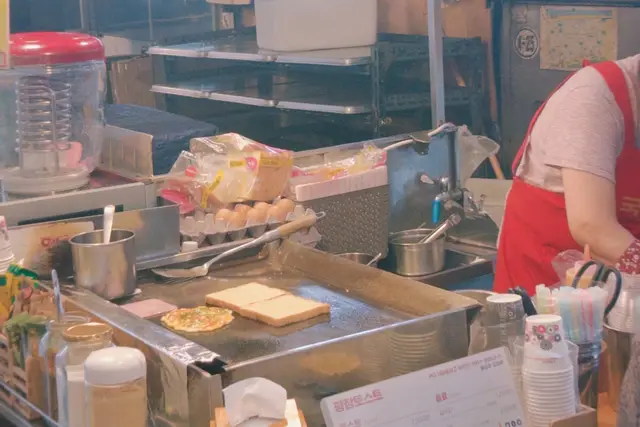
Gwangjang Market
It's Seoul's oldest traditional market and a legendary street food destination, making it a natural start for a day built around Jongno District's food and market culture.
Quietest: 9–10 AM Time to allow: ~1.5 hHow to get there
The market sits at 88 Cheonggyecheon-ro, Jongno-gu, straddling the border of the Jongno and Euljiro districts. The most direct approach is Jongno 5(o)-ga Station on Line 1, Exit 8, which puts you almost at the market's doorstep after a one-minute walk. Euljiro 4-ga Station on Line 2 or Line 5 (Exit 4) is a slightly longer but equally workable alternative, useful if you're coming from Myeongdong or Dongdaemun.
- ~22 min walk (1.6 km) Directions →
- Lunch
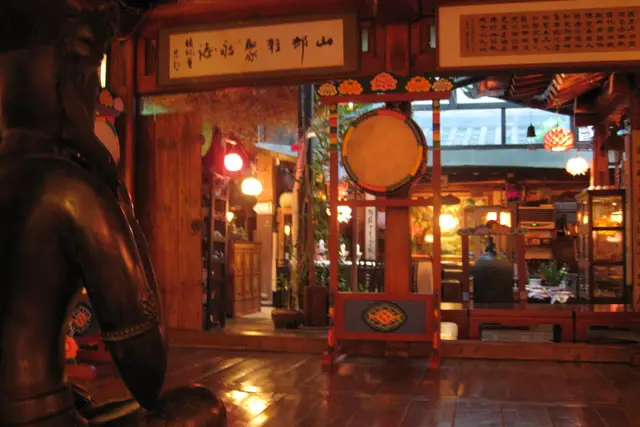
Sanchon
A fixed-course temple-food meal in an alley off Insadong-gil offers an unhurried, meat-free contrast to the morning's street food, and its location pairs naturally with an afternoon in Insadong's craft shops.
Time to allow: ~2 hHow to get there
The address is 30-13 Insadong-gil, Jongno District, right in the heart of Insadong, Seoul's traditional arts-and-crafts quarter. The easiest approach is Anguk Station on Line 3, exit 6, from which it's roughly a 5-7 minute walk south down Insadong-gil, the pedestrian-friendly main street lined with tea houses, hanji paper shops, and galleries. Jonggak Station on Line 1 also works if you're coming from the south, about a 10-minute walk north into Insadong.
- ~21 min walk (1.6 km) Directions →
- Afternoon
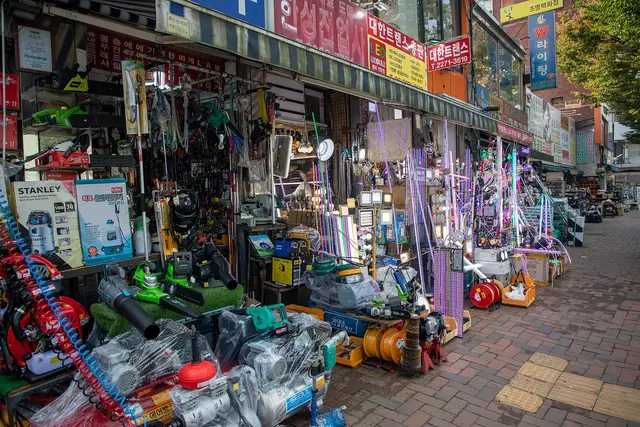
Euljiro in Seoul
This old printing-and-hardware district turned newtro bar scene is best experienced in early evening as workshops wind down and bar signs light up, making it a fitting afternoon-to-evening pivot.
Time to allow: ~1 hHow to get there
- Euljiro 3-ga Station (Line 2 and Line 3), exits 3, 4, and 8 put you closest to the densest cluster of bars and workshop-alleys, including the area locals nickname "Hip-jiro."
- ~21 min walk (1.6 km) Directions →
- Afternoon
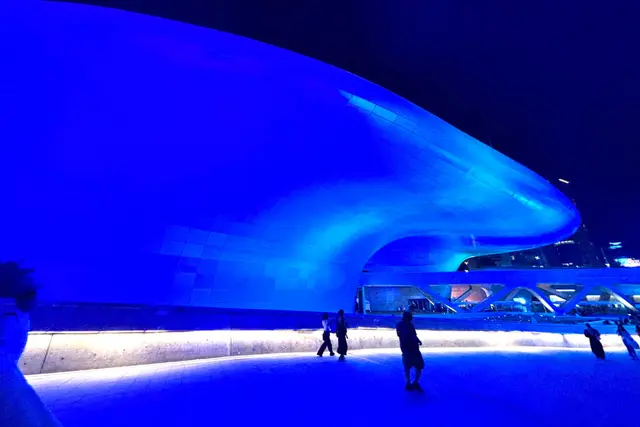
Dongdaemun Design Plaza (DDP)
An attraction rated 4.4 by visitors, included as a stop on this route.
Time to allow: ~2.5 hHow to get there
The plaza sits directly over Dongdaemun History & Culture Park Station, served by subway Lines 2, 4, and 5. Take exit 1 for the Art Hall and Design Lab side, or exit 2 to come up right into the sunken plaza and LED Rose Garden. If you're coming from Myeongdong or Hongdae, it's a straightforward one-line ride with no transfer needed.
Day 2 · Namsan views to a Gangnam nightcap
Day two starts on Namsan Mountain in Yongsan District, then settles into Jung District for a long stretch of market browsing and palace walking, before heading out to a Gangnam cocktail bar to close the night. It's a mix of open-air sightseeing and slower indoor pauses.
- Morning
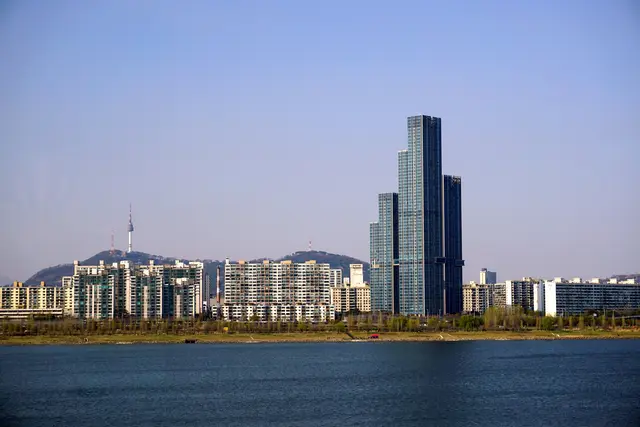
N Seoul Tower
Sitting atop Namsan Mountain, it's a calm, view-driven way to start the day before the city's markets and streets fill in.
Time to allow: ~1.5 hHow to get there
N Seoul Tower stands on Namsan Mountain, at 105 Namsangongwon-gil in Yongsan District. Three ways up: the Namsan cable car from Myeong-dong station (Line 4), a free shuttle bus from Myeong-dong or Jongno, or the hiking paths through Namsan Park.
- ~22 min walk (1.7 km) Directions →
- Afternoon
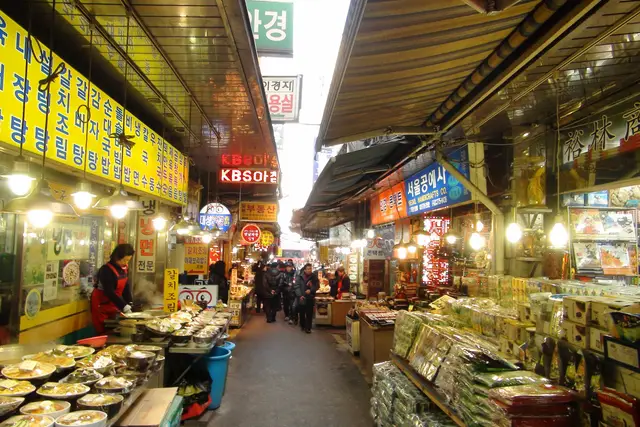
Namdaemun Market
As the city's oldest and largest traditional market, it's a full, immersive afternoon stop for shopping alleys of clothing, kitchenware, and street food.
Closed Sunday Time to allow: ~2.5 hHow to get there
Namdaemun Market has been trading since 1964, though merchants set up stalls near this gate long before that. Today it sprawls across dozens of narrow lanes just south of Seoul Station, a grid so dense that first-time visitors often give up trying to map it and just follow the flow of shopping carts instead.
- ~13 min walk (1 km) Directions →
- Afternoon
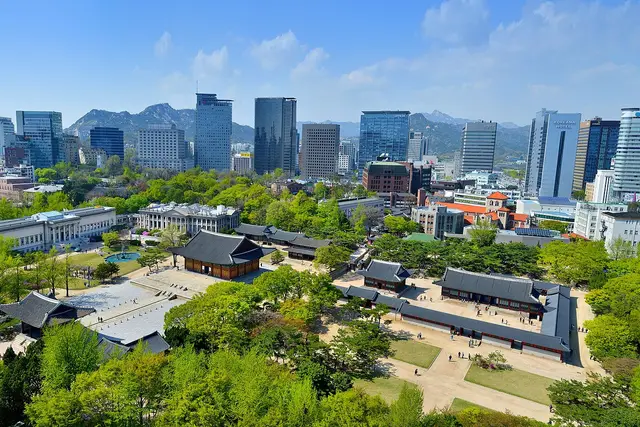
Deoksugung Palace
Right across from City Hall in Jung District, its stone wall path and guard ceremony make it a natural next stop after the market.
Closed Monday Time to allow: ~2 hHow to get there
Entry sits directly opposite Seoul City Hall on Sejong-daero, one of the most recognizable intersections in the city. Seoul City Hall Station (Line 1 or 2, Exit 2) drops you almost at the gate.
- Take the subway or a taxi Directions →
- Evening
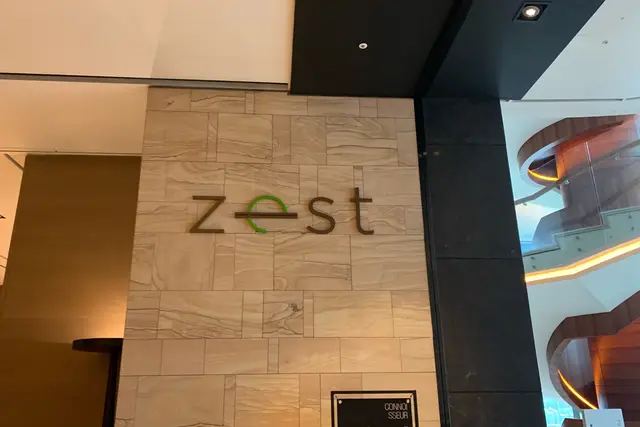
Zest
A zero-waste cocktail bar known for house-made spirits and sodas, it's a fitting quiet nightcap to close out the day.
Book ahead Time to allow: ~30 minHow to get there
Because exact address and access details can shift, confirm the current location and nearest subway exit on Zest's official channels or a reliable booking platform before you go. Gangnam Station (Line 2) and Sinnonhyeon Station (Line 9) are the general anchors for this part of the district.
Day 3 · Riverside park to industrial art village
Day three opens in Yeongdeungpo District's riverside park, crosses to Mapo-gu for a plant-filled café pause, then returns to Yeongdeungpo for dinner in the Mullae-dong art district. It's the lightest day of the trip, built around green space and neighbourhood wandering.
- Morning
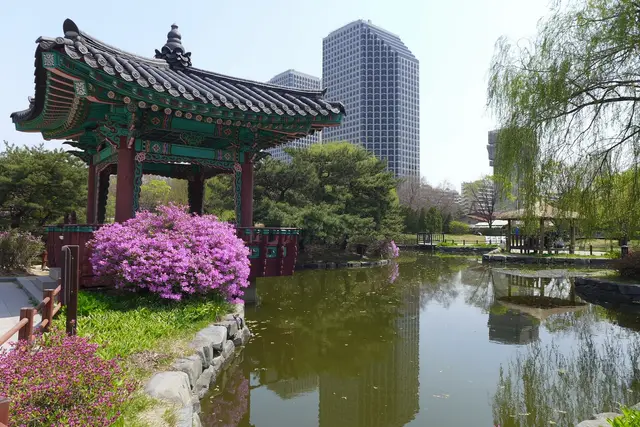
Yeouido Park
This car-free, 24-hour green corridor on Yeouido island is an easy, unhurried way to open a lighter day.
Time to allow: ~2 hHow to get there
Yeouinaru Station on Line 5 sits almost directly beside the park. Take Exit 2 or 3 and you're on the grounds within a couple of minutes, cherry trees or riverside promenade depending on which way you turn. Yeouido Station (Lines 5 and 9) is a slightly longer walk but useful if you're combining the park with the IFC Mall or the National Assembly Building.
- Take the subway or a taxi Directions →
- Afternoon
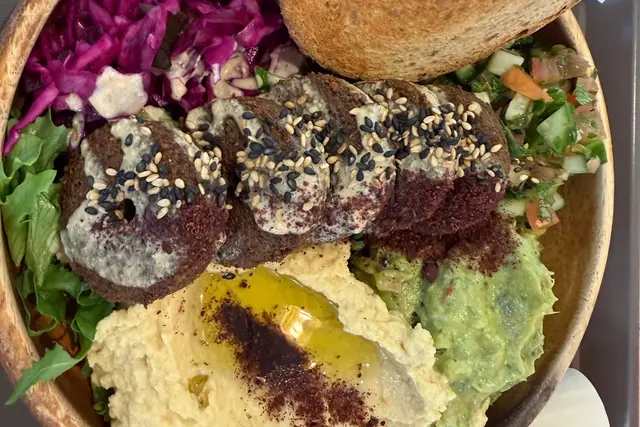
Plant Cafe Seoul (Yeonnam)
A greenhouse-style café in Yeonnam-dong, it's a relaxed lingering stop for an afternoon pause between park and dinner.
Closed Monday Time to allow: ~1 hHow to get there
The café sits at 87 World Cup buk-ro 4-gil, Mapo-gu, in the heart of Yeonnam-dong (the residential-turned-hip neighborhood just north of Hongdae. The most straightforward approach is via Sangsu Station (Line 6), from which it's a walk of roughly 15-20 minutes through Yeonnam's quieter side streets, or a short taxi ride if you'd rather skip the walk. Alternatively, many visitors arrive from Hongik University Station (Line 2 / Airport Railroad / Gyeongui-Jungang Line) and cut through the Gyeongui Line Forest Park (Yeonnam-dong section), sometimes nicknamed "Yeontral Park" by locals) a linear greenway built over a former rail line that connects Hongdae to Yeonnam-dong and makes for a pleasant approach on foot.
- Take the subway or a taxi Directions →
- Evening
Dallas Pizza in Seoul
Tucked in the Mullae-dong art district beside an active metal workshop, it makes for a distinctive dinner paired with a wander through the mural-covered art village.
Closed Monday Time to allow: ~1 hHow to get there
Mullae-dong isn't where most visitors expect to find one of Seoul's buzziest restaurant openings. For decades this pocket of western Seoul, sandwiched between Yeongdeungpo and Mullae Station, was known purely for metalworking, sheet-metal shops, welding sparks, and the clang of machinery. That industrial backbone never left, but over the past fifteen years artists priced out of other neighborhoods moved into empty workshop spaces, layering studios, galleries, and now destination-worthy food and drink on top of the district's gritty base.
Frequently asked questions
How should I get around for this itinerary?
The stops span several districts including Jongno, Jung, Yongsan, Yeongdeungpo, and Mapo-gu, so plan on a mix of walking for nearby stops and transit for the longer crossings, especially on days two and three where some stops are noted as beyond walking distance.
Which day is the most relaxed?
Day three is the lightest day, built around Yeouido Park, a café pause in Mapo-gu, and dinner in the Mullae-dong art district.
Is this itinerary heavy on food?
Food and market culture feature strongly on day one with Gwangjang Market and Sanchon's temple-food course, and again on day two with Namdaemun Market, but day three shifts focus toward parks and neighbourhood wandering.
Do I need reservations anywhere?
Zest and Dallas Pizza both benefit from booking ahead given their format, so it's worth planning those in advance rather than treating them as walk-ins.
What if it rains during the trip?
Each day has a rain-day alternative venue built in, swapping outdoor or street-based stops for an indoor option that fits the same slot.
Plan your trip to Seoul
South Korea eSIM & staying connected →
Some links above are affiliate links — if you book through them, Wander Atlas earns a small commission at no extra cost to you. It's how we keep every guide free.