Why go
You come here for contrast, not scale. Step off Causeway Bay’s traffic-choked streets and through a small gate, and the noise drops away almost immediately.
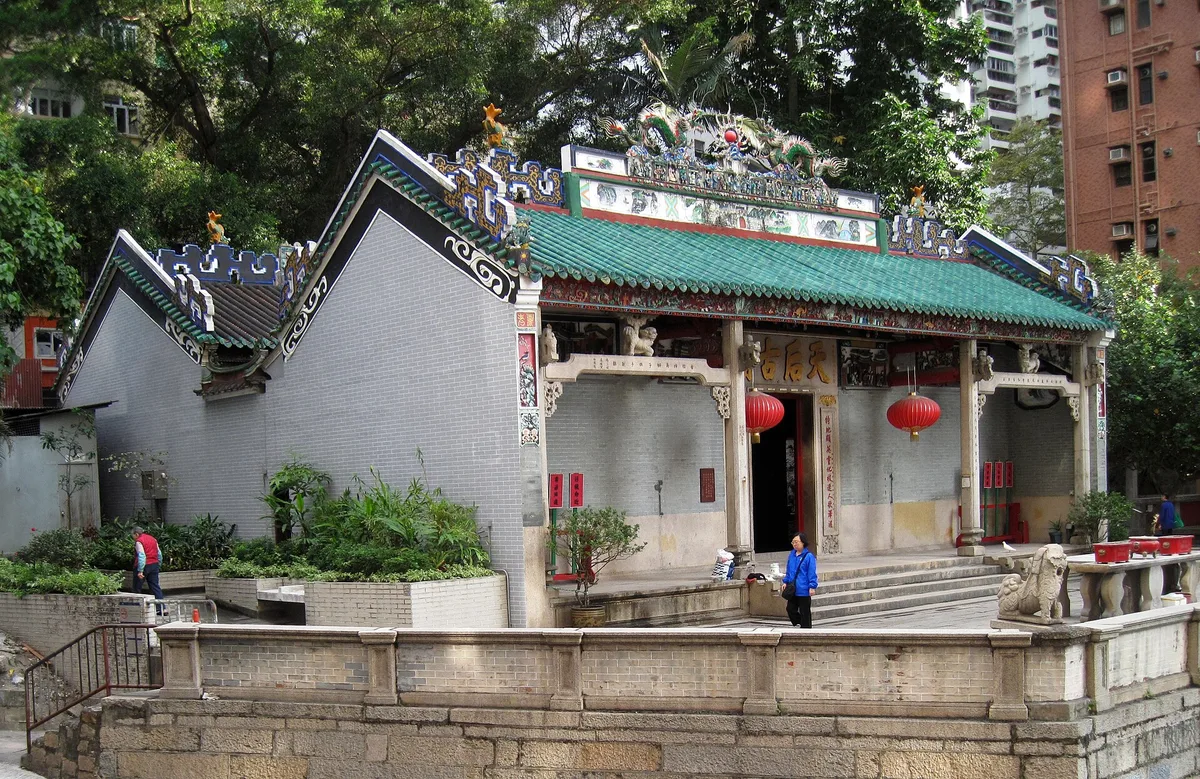
The temple itself is modest, a single-hall shrine dating back centuries, dedicated to Tin Hau, the Taoist goddess of the sea. Fishing communities once worshipped here when this stretch of Causeway Bay was still shoreline, long before land reclamation pushed the water back and the skyscrapers rose.
Red lanterns hang from the eaves. Coils of incense, thick as dinner plates, spiral from the ceiling and burn slowly for days, dropping ash in lazy curls.
Getting there
The temple gives its name to Tin Hau MTR station, on the Island Line, one stop east of Causeway Bay station. Exit A2 puts you almost directly on Tin Hau Temple Road.
From there it’s a two-minute walk. Look for the temple along Tin Hau Temple Road. It’s tucked into the ground level of a residential block, easy to miss if you’re not watching for the incense smoke drifting above the doorway.
What you’ll see inside
Inside, the layout is compact: a main altar to Tin Hau flanked by smaller shrines to other folk deities, including Guan Yin and the Earth God, common companions in Hong Kong’s local temples.
Elderly worshippers come to light incense sticks, bow three times, and leave small offerings of fruit or flowers. Fortune-telling sticks rattle in wooden cups near the entrance for those seeking guidance.
The air carries the specific, resinous smell of sandalwood incense mixed with the damp stone of the courtyard, a smell that clings to your clothes long after you leave.

When to go
Opening hours run 9am to 4pm every day, so plan your visit inside that window. There’s no evening access.
The quietest stretch is right at opening, between 9am and 10am, on both weekdays and weekends. That’s when you’ll have the courtyard largely to yourself, with just a handful of regulars tending the altar.
Weekends get busier between 11am and 3pm, when local worshippers and curious visitors overlap. If you want photos without people in frame, arrive before 10am.
Nearby to combine with your visit
Tin Hau Temple pairs naturally with a slower morning loop before you head into Causeway Bay’s retail crush.
- Victoria Park, Hong Kong’s largest park, a five-minute walk south, good for a bench and a coffee after the temple
- Causeway Bay’s shopping strip, Times Square and the SOGO department store, ten minutes away for the contrast of old and new
- Noon Day Gun, a short taxi ride, a quirky colonial-era cannon fired daily at noon
How to visit like a local
This is a working place of worship, not a tourist attraction dressed up as one, treat it that way.
- Keep your voice low; people are here to pray, not pose
- Dress modestly, shoulders and knees covered is respectful, though not strictly enforced
- No entrance fee; if you’d like to light incense, small donation boxes are provided rather than a fixed price
- Photography is generally tolerated but avoid pointing your camera directly at worshippers mid-prayer
- Don’t step on the threshold beam at the entrance, a small but widely observed superstition in Chinese temples
The most common mistake visitors make is treating this as a quick photo stop and rushing through in five minutes. Slow down. Sit on the stone bench in the courtyard for a few minutes and let your eyes adjust to the dim, smoke-hazed interior. That’s where the temple actually reveals itself, not in the doorway snapshot.
Cash isn’t really needed beyond a few coins for the donation box or fortune sticks. There’s no ticket, no queue system, and no staff pushing you along, which is rare for anything this close to Causeway Bay’s shopping core.
Frequently asked questions
How do I get to Tin Hau Temple in Causeway Bay?
Take the MTR Island Line to Tin Hau station and use Exit A2 — the temple on Tin Hau Temple Road is about a two-minute walk from there.
What are the opening hours?
The temple is open daily from 9am to 4pm. There's no late-afternoon or evening access, so plan your visit within that window.
When is the quietest time to visit?
Right at opening, 9am–10am, on both weekdays and weekends. Weekends get busiest between 11am and 3pm, so avoid that window if you want a calmer visit.
Is there an entrance fee?
No, entry is free. Small donation boxes are available if you'd like to light incense or leave an offering.
How long should I spend here?
Most visitors spend 20–30 minutes. It's a small, single-hall temple rather than a sprawling complex, so it's easy to combine with a visit to nearby Victoria Park.
Plan your trip to Causeway Bay
Some links above are affiliate links — if you book through them, Wander Atlas earns a small commission at no extra cost to you. It's how we keep every guide free.
Related guides
 attraction
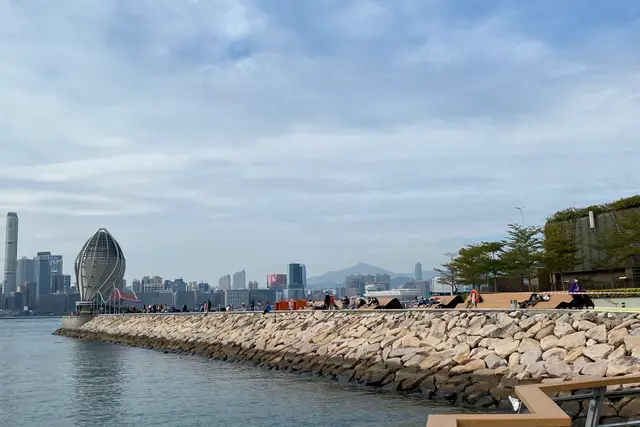
 East Coast Park Precinct: Causeway Bay Travel Guide (4.4★)
 restaurant
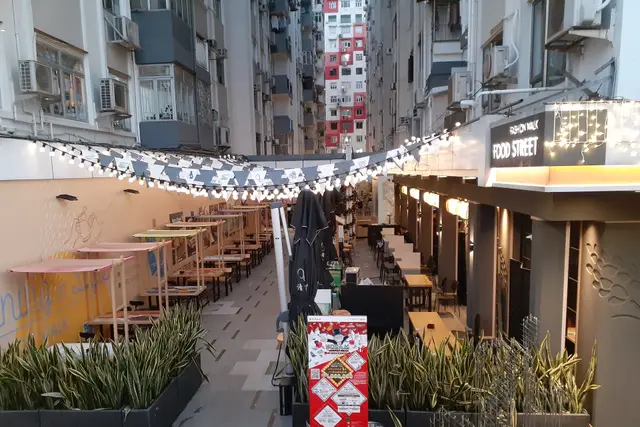
 Fashion Walk Food Street: Where to Eat in Causeway Bay
 attraction
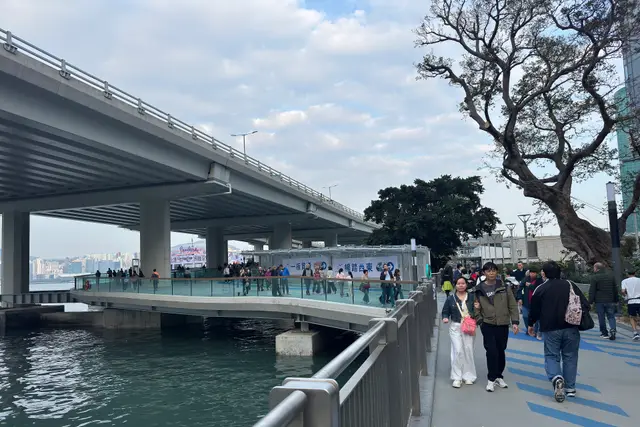
 East Coast Boardwalk: Hong Kong Travel Guide (4.5★)
 attraction
 Wan Chai Temporary Promenade: Travel Guide (4.2★)
This spot is Day 5 of our Hong Kong 5-day itinerary