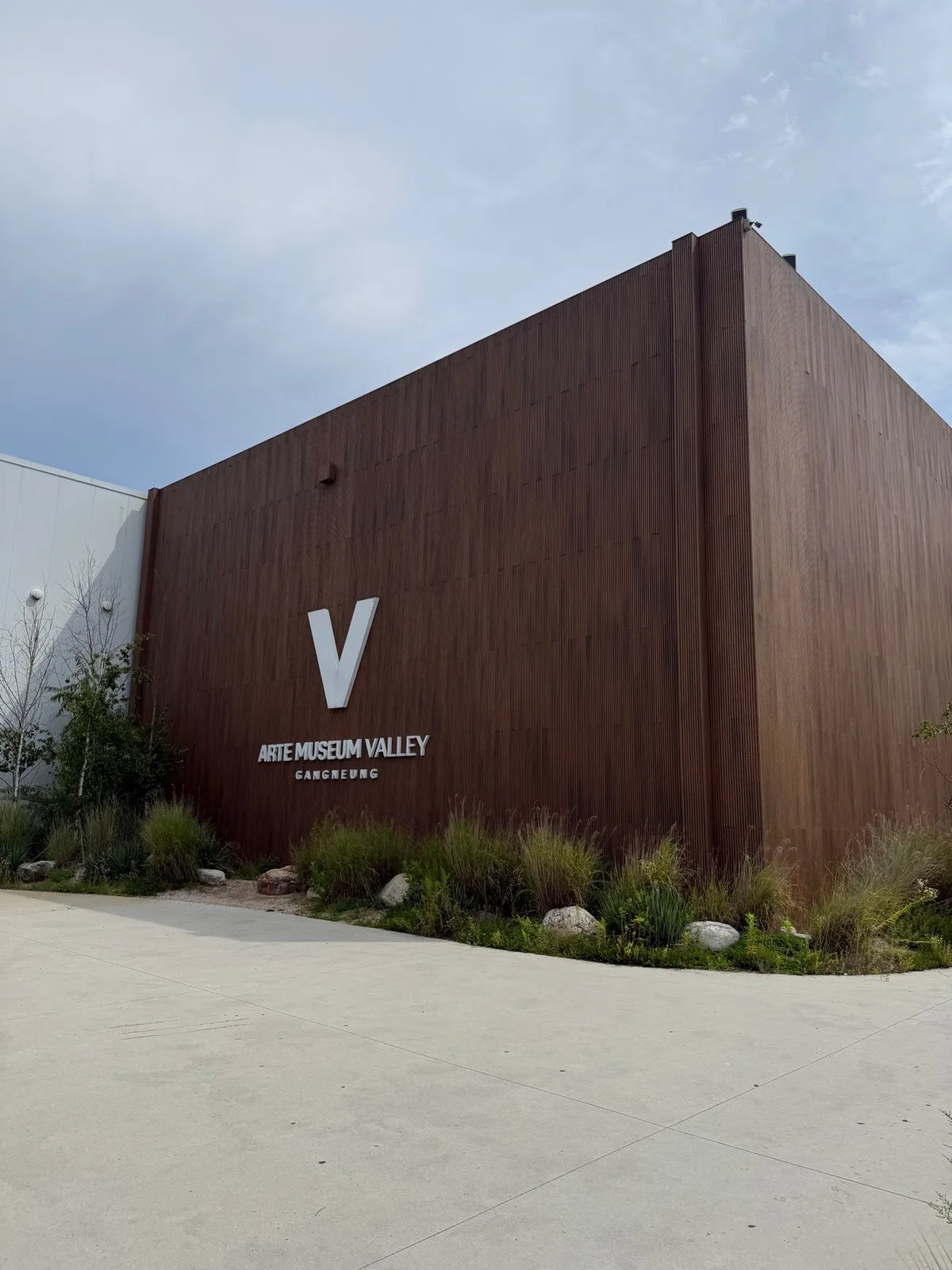
Why go
Arte Museum Valley is the Gangneung outpost of the Arte Museum brand, which built its reputation in Yeosu before expanding to Gangwon-do’s east coast. Inside a converted, warehouse-scale building at 131 Nanseolheon-ro, rooms are given over entirely to projected digital art: waterfalls that seem to pour down black walls, forests that bloom and decay in loops, and mirrored valleys that multiply light into infinity.
With a 4.6 rating across more than 3,000 reviews, it’s become one of the most talked-about stops for visitors looking for something other than beaches and seafood in Gangneung. The draw isn’t a single famous artwork but the cumulative, walk-through experience, closer to an immersive theater set than a traditional gallery.
Getting there
Gangneung is most easily reached by KTX from Seoul (Cheongnyangni or Seoul Station), a ride of roughly two hours to Gangneung Station, or by intercity bus from Seoul’s Dong-Seoul or Express Bus Terminal. From Gangneung Station or the bus terminal, Arte Museum Valley is a short taxi ride, figure on 10–15 minutes depending on traffic, since Nanseolheon-ro sits inland from the old town center, not directly on the coastal strip where Gyeongpo Beach and the cafes cluster.
There is no subway in Gangneung, so taxis, a rental car, or local buses are the practical options; if you’re already touring Ojukheon House and the Historic Village nearby, it’s easy to combine both in one taxi loop.
What to see and do
The museum is organized as a sequence of themed halls rather than a single room, so plan to walk through in order rather than jumping around. Expect large-scale nature motifs (cascading water, blooming flowers, shifting seasons) rendered across floor-to-ceiling projections with an ambient soundtrack, plus at least one mirrored or reflective room designed for photos. Because the exhibits are projection-based and periodically refreshed, exact themes can change year to year, so treat any specific installation names you’ve read online as provisional rather than guaranteed.
Most visitors move through the full circuit in 60–90 minutes, though photographers and anyone traveling with kids often stay closer to two hours. Wear flat, non-slip shoes, since floors can be uneven or slightly reflective, and be ready for genuinely dark rooms, it takes a minute for eyes to adjust between halls.
When to go
Weekday mornings shortly after opening are consistently the quietest window, before school groups and coach tours arrive in the early afternoon. Weekends, Korean public holidays, and the summer beach season (July–August, when Gyeongpo draws crowds nationwide) are the busiest stretches; if you’re visiting in that period, aim for the first or last entry slot of the day. Because it’s an indoor, fully climate-controlled venue, it also works well as a rainy-day or midwinter alternative to Gangneung’s outdoor sights, and light snow or heat outside won’t affect the experience at all.
How to visit like a local
Buy a timed-entry ticket online before arriving rather than walking up, since digital museums like this one commonly sell in entry slots and popular weekend times can sell out. Payment on-site, if you do need to buy in person, is overwhelmingly by card or mobile pay (Naver Pay, Kakao Pay, or a standard Korean credit card), cash is rarely necessary anywhere in Gangneung’s newer attractions.
There’s no tipping expected. The most common visitor mistake is treating it as a quick five-minute photo stop and rushing the circuit; the installations reward slowing down and standing still for a full loop of the animation, which typically runs a few minutes before repeating. Keep phones on silent and avoid using flash photography in the darker rooms, both to protect the projections’ contrast and out of basic courtesy to other visitors trying to take long-exposure shots.
If you’re combining it with Gyeongpo Beach or Ojukheon in the same day, do the museum first. It’s less pleasant to walk into a dark, air-conditioned space straight after time in the sun and sand.
Nearby stops worth combining
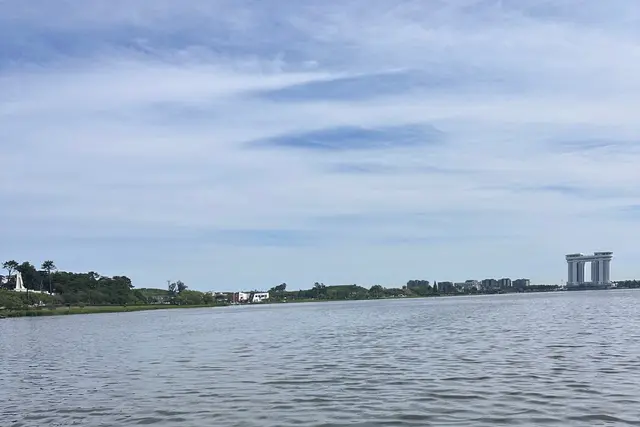
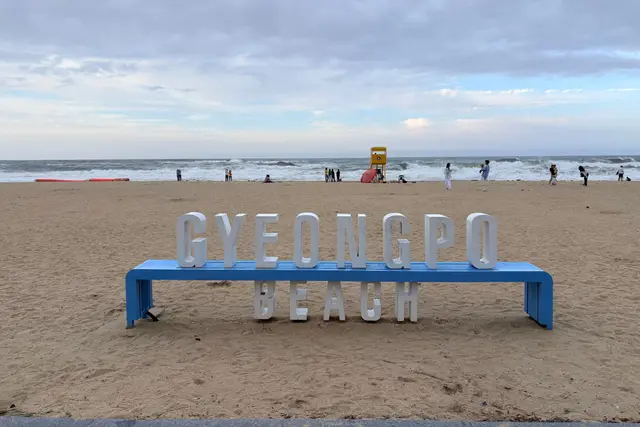
Ojukheon House, the birthplace of scholar Yi I and artist Shin Saimdang, sits close enough to combine in the same taxi trip, as does the Gyeongpo Lake and Beach area with its cafes and cycling path. Gangneung’s coffee street, Anmok Beach, is a reasonable add-on if you have a full day and want to end with a coastal coffee rather than a museum gift shop.
Frequently asked questions
How much time should I budget for Arte Museum Valley?
Most visitors complete the full circuit of halls in 60–90 minutes; photographers or families with children often take closer to two hours.
How do I get there without a car?
Take the KTX or intercity bus to Gangneung, then a taxi (roughly 10–15 minutes) to 131 Nanseolheon-ro, since there's no subway in Gangneung and the museum sits inland from the coastal beach strip.
Should I book tickets in advance?
Yes — book a timed-entry ticket online where possible, especially for weekends, Korean public holidays, and the summer beach season, when popular slots can sell out.
What's the best time of day to avoid crowds?
Weekday mornings right after opening, or the last entry slot before closing, are consistently quieter than weekend afternoons.
What else is nearby to combine with the visit?
Ojukheon House, Gyeongpo Lake and Beach, and Anmok coffee street are all within easy taxi range for a combined half-day or full-day itinerary.
Plan your trip to Gangneung
South Korea eSIM & staying connected →
Some links above are affiliate links — if you book through them, Wander Atlas earns a small commission at no extra cost to you. It's how we keep every guide free.