Why go
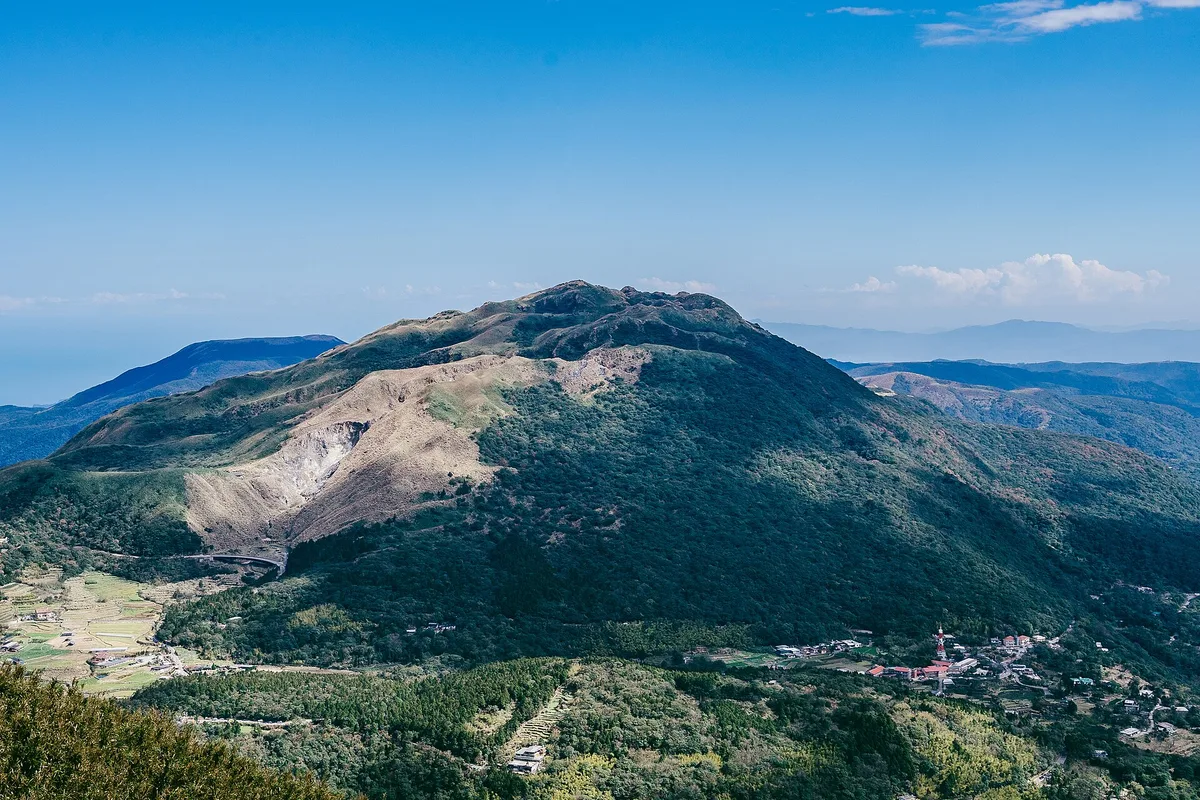
Yangmingshan is the closest thing Taipei has to a volcano in its backyard (literally. The park sits atop Taiwan’s largest dormant volcanic group, and you feel it the moment you step off the bus: the air smells faintly of rotten eggs near the vents, the ground steams in patches, and the hillsides are stained yellow-white with sulfur deposits. It’s a strange, slightly otherworldly landscape only 40 minutes from the skyscrapers of Xinyi District, and that contrast) dense city one moment, hissing fumaroles the next, is the whole draw.
Getting there
From central Taipei, take the MRT Red Line to Jiantan Station and transfer to bus S15, or ride to Beitou/Xin Beitou and connect via local buses that climb into the park. Many visitors instead go from Taipei Main Station or Shilin, catching bus 260 or the direct Yangmingshan shuttle (small 108/109 buses loop around the main sites once you’re up top).
The park has no train station of its own, everything runs on bus routes that wind up the mountain, so budget extra time on weekends when traffic backs up near the entrance. If you’re coming for hot springs, Xin Beitou MRT station drops you right at the springs district on the park’s southern edge.
What to see and do
Xiaoyoukeng is the park’s signature stop: a boardwalk loop past bubbling sulfur fumaroles and mineral-crusted rock, with Taipei 101 visible in the haze on a clear day. From there, the trail up Qixing Mountain (Seven Star Mountain) is the park’s highest peak and a genuine dormant volcano summit. The round trip takes roughly 2-3 hours and rewards you with views over the whole Taipei basin.
Lower down, Erziping is a gentler wetland loop through marshy grassland, good for an easy hour’s walk. Just south, Beitou’s public and private hot spring baths let you soak in the same geothermal water that feeds the park’s vents, a fitting way to end a hike. If you time a visit for March, the Yangmingshan Flower Festival brings terraced fields of cherry blossoms and azaleas near the Qianshan Park area, though this is also when crowds peak hardest.
When to go
Spring (March–April) is the classic season for cherry blossoms and calla lilies, but it’s also the single busiest stretch of the year (expect full shuttle buses and crowded platforms at Xiaoyoukeng. Autumn brings silvergrass turning the hillsides silver-gold, with noticeably thinner crowds. Winter is cool and often foggy, which actually suits the volcanic scenery) the mist drifting through sulfur steam feels appropriately eerie.
Whatever the season, arrive early: this is a well-visited park, not a hidden find, and the difference between a 9am and a 1pm arrival is stark, especially at the main viewpoints.
How to visit like a local
Go on a weekday morning if you can, Yangmingshan draws heavy weekend traffic from Taipei residents themselves, not just tourists, and by early afternoon the small parking areas and shuttle stops at Xiaoyoukeng and the Qixing trailhead fill up fast. Bring coins or an EasyCard for the buses; that same card works on the MRT and most shuttle routes, and is far simpler than buying paper tickets.
Wear real shoes with grip. The volcanic rock near the vents is uneven and can be slick after rain, and this is a genuine hike, not a paved garden stroll. The etiquette at the fumaroles is simple: stay on the boardwalk and marked paths, since the ground near vents can be unstable and dangerously hot underneath a thin crust.
A common mistake is treating this as a quick two-hour side trip; the bus ride up and down alone eats an hour each way, so if you also want a hot spring soak in Beitou afterward, block out most of a day. Pack a light jacket even in summer, elevation and wind make the peak noticeably cooler than downtown Taipei, and layers help if fog rolls in, which it does often enough that locals rarely leave home without one.
Frequently asked questions
How do I get to Yangmingshan without a car?
Take the MRT Red Line to Jiantan or Shilin Station and transfer to bus S15 or 260 up into the park, or go via Xin Beitou Station if you're heading for the hot springs area first.
How long should I plan to spend there?
A half day covers Xiaoyoukeng's fumaroles and a short walk; a full day lets you add the Qixing Mountain summit hike (2-3 hours round trip) and a hot spring soak in Beitou afterward.
When is the best time to visit to avoid crowds?
Weekday mornings are calmest. Weekends and the March-April flower season bring the heaviest crowds and full shuttle buses, so arrive early or pick a weekday if possible.
Is there an entrance fee?
The park itself is generally free to enter, though some individual hot spring facilities and specific attractions charge their own admission — check current prices locally before visiting.
What else is nearby worth combining with the visit?
Beitou's hot spring district sits just south of the park and is easily combined with a hike, along with the Beitou Thermal Valley and hot spring museum a short walk from Xin Beitou Station.
Plan your trip to New Taipei
Taiwan eSIM & staying connected →
Some links above are affiliate links — if you book through them, Wander Atlas earns a small commission at no extra cost to you. It's how we keep every guide free.
Related guides
 attraction
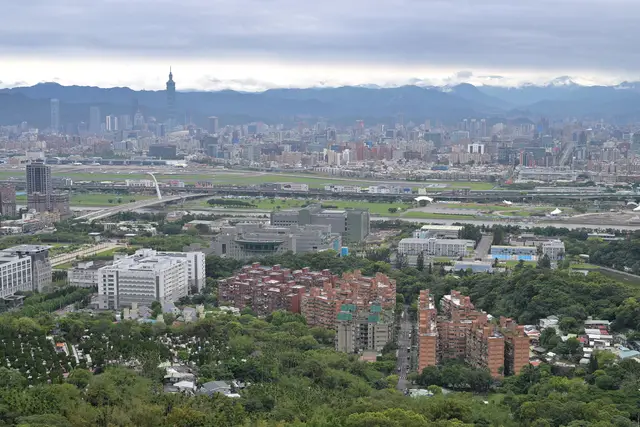
 Old Place Airplane Observation Deck: New Taipei Travel Guide
 attraction
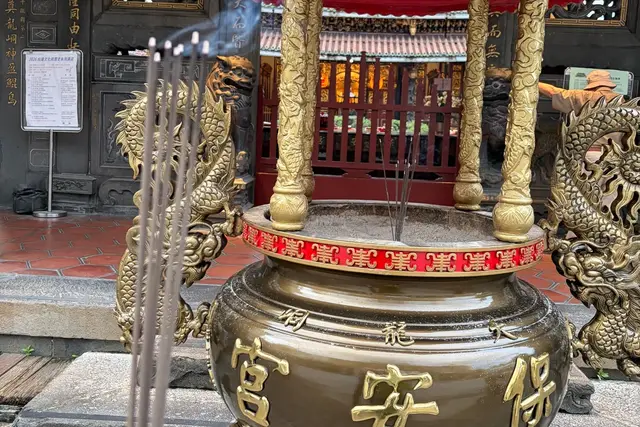
 Dalongdong Baoan Temple: New Taipei Travel Guide (4.7★)
 hidden gem
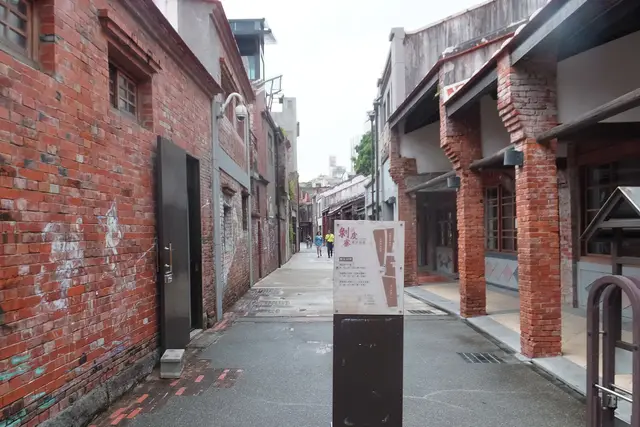
 Bopiliao Historical Block: New Taipei Travel Guide (4.2★)
 event
event