
Orvieto sits on a flat-topped block of volcanic tufa, cliffs on every side, with a Gothic cathedral at its highest point. For five days around New Year, that rock fills up with jazz. Umbria Jazz Winter is the cold-season sibling of the summer festival in Perugia, and it squeezes the music into a town small enough to cross on foot in about 15 minutes.
The 2026–27 edition runs from December 30, 2026 to January 3, 2027. Italian and international musicians play across multiple venues in the old town, so one evening can take you through two or three different rooms.
Five Days on the Rock
The festival spans the turn of the year. It opens two days before New Year’s Eve and ends on January 3.
That timing shapes the whole experience. Concerts are only part of it. You also get the Italian holiday calendar, with families out walking Corso Cavour, shops open late and restaurants running special New Year menus. Most people who travel in for the festival stay two or three nights. That covers New Year’s Eve plus a day either side.
The programme changes every year. The lineup, the venue for each concert and the ticket links are all on the official Umbria Jazz website, which is the single reference point for this edition.
Where the Music Happens
Orvieto has no single arena, so the festival uses the town’s historic buildings. Over past editions those have included:
- Teatro Mancinelli, the 19th-century horseshoe theatre on Corso Cavour, with tiers of boxes facing the stage
- Palazzo del Capitano del Popolo, a medieval civic palace on Piazza del Popolo
- Smaller halls and palazzi around the centre, which host the more intimate sets
Distance is never a problem. Everything is within walking distance along the main street and the lanes off it. Getting between shows means a few minutes on stone paving, past lit shop windows.
The rooms are a big part of the appeal. You hear a trio under a coffered ceiling or a frescoed vault, not in a black box. Seating and layout depend on the building, and the official programme sets out which concert is held where.
New Year’s Day Under Maitani’s Facade
The Duomo di Orvieto is the town’s anchor. It was begun in 1290, and its striped basalt-and-travertine flanks rise straight out of the piazza. The front is covered in gold-ground mosaics and the marble reliefs associated with Lorenzo Maitani, and it catches whatever light is left on a winter afternoon.
The cathedral has a long-standing role in the festival. On New Year’s Day it has traditionally hosted a Mass with gospel music, packing the nave with festival-goers and local families. Whatever is in this year’s programme, the piazza outside is where people gather between events. Inside, the Cappella di San Brizio holds Luca Signorelli’s fresco cycle of the Last Judgement.
Lentils, Cotechino and Orvieto Classico
New Year’s Eve in Italy has its own food. Lentils stand for coins and good fortune in the year ahead, and they come with cotechino, a rich pork sausage. Umbria is lentil country: the small Castelluccio lentils come from the high plain near Norcia, in the east of the region.
At the table in Orvieto, look for:
- Umbrichelli, the thick hand-rolled local pasta, often served with a meat ragù or truffle
- Orvieto Classico, the white wine from the vineyards in the valley below the rock
- Wild boar (cinghiale), which turns up often on winter menus in this part of Umbria
On December 31 many restaurants serve only a fixed New Year’s menu, and festival weeks keep the dining rooms full. Visitors who want a particular table on the 31st usually arrange it well in advance.
From the Station to the Stage
Orvieto is on the main rail line between Florence and Rome. Regional trains from Roma Termini take a little over an hour. The station is in Orvieto Scalo, the modern lower town at the foot of the cliff.
Just across from the station, a funicular climbs the rock to Piazza Cahen at the eastern end of the old town. From there it’s a walk or a short bus ride along Corso Cavour to the Duomo and the theatre.
Drivers leave the A1 motorway at the Orvieto exit. Cars mostly stay outside the historic centre, which has limited-traffic rules. The large car parks at the base of the rock, such as Campo della Fiera, connect to the town by lifts and escalators cut into the tufa.
Moving Between Halls on Corso Cavour
Festival nights here follow an Italian rhythm. Concert-goers usually have an aperitivo in a bar on the Corso before an evening show. Dinner tends to be around 8pm or later, and a late set fills the rest of the night.
At the bar, locals pay at the cassa first, then hand the receipt over the counter and drink standing up. Sitting at a table usually costs more. Restaurant bills often include a coperto (cover charge) per person, so tipping is a small rounding up rather than a percentage. Cards are widely accepted, though small bars and kiosks still see plenty of cash.
Lots of visitors with tickets for the late concerts stay up on the rock so they don’t need the funicular afterwards. Rooms in the old town are limited, so others stay in Orvieto Scalo or at agriturismi in the hills nearby. Walking between venues means tufa cobbles and some steep lanes. On winter nights a warm coat matters more than anything else you pack.
Between Sets: Underground Orvieto
Daytime is free, and the town gives you plenty to do. The rock under your feet is hollowed with hundreds of man-made caves, cellars and tunnels. Guided Orvieto Underground tours start near the Duomo and show Etruscan wells and medieval pigeon cotes cut into the cliff.
At the eastern edge, the Pozzo di San Patrizio is a 16th-century well built for Pope Clement VII. It has two spiral staircases that never meet: one for going down, one for coming up. Close by are the remains of the Etruscan Tempio del Belvedere, and the Necropoli del Crocifisso del Tufo, with its streets of stone tombs, sits at the foot of the cliff.
To understand why a medieval town was built up here, walk the ring of the rock at dusk. The cliffs drop away below you and the plain of the Paglia valley spreads out in every direction.
Frequently asked questions
When is Umbria Jazz Winter 2026–27?
It runs from December 30, 2026 to January 3, 2027 in Orvieto, Umbria, so it covers New Year's Eve and New Year's Day.
Where do I find tickets and the lineup?
The official Umbria Jazz website carries the programme, the venue for each concert and the ticket links for this edition.
How do I get to Orvieto for the festival?
Orvieto station is on the Florence–Rome rail line, a little over an hour by regional train from Roma Termini. A funicular opposite the station runs up to Piazza Cahen in the old town. Drivers use the Orvieto exit on the A1 and park at the base of the rock, where lifts and escalators connect to the centre.
How long do people usually stay?
Most visitors stay two or three nights, typically covering New Year's Eve and a day either side. Staying in the old town means you can walk back from late concerts.
What else is there to do in Orvieto during the festival?
The Duomo and Signorelli's frescoes in the Cappella di San Brizio, the Pozzo di San Patrizio well, Orvieto Underground cave tours and the Etruscan Necropoli del Crocifisso del Tufo are all close to the festival venues.
Plan your trip to Orvieto
Italy eSIM & staying connected →
Some links above are affiliate links — if you book through them, Wander Atlas earns a small commission at no extra cost to you. It's how we keep every guide free.
Related guides
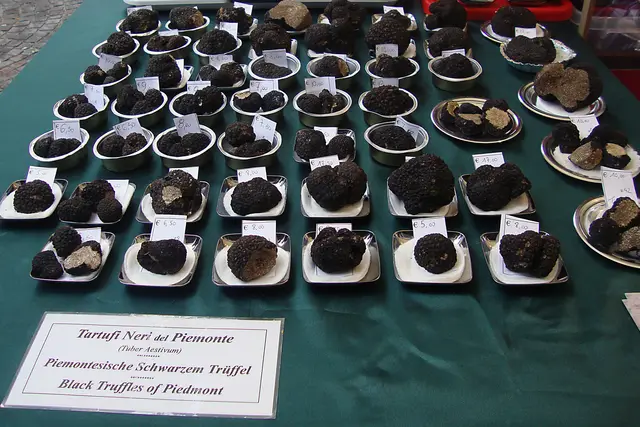 event
Alba International White Truffle Fair: Dates, Tickets & Venue (Alba)
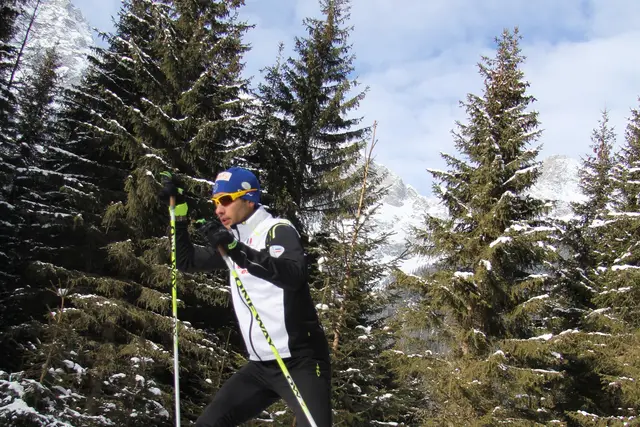 event
Biathlon World Cup Antholz-Anterselva: Dates, Tickets & Venue (Anterselva)
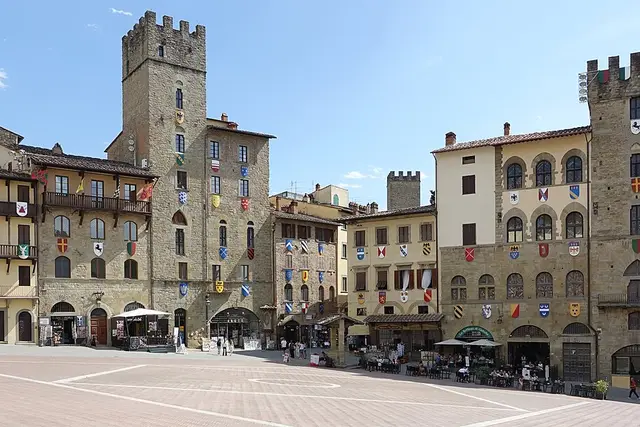 event
Arezzo Città del Natale: Dates, Tickets & Venue (Arezzo)
 event