Why this event matters
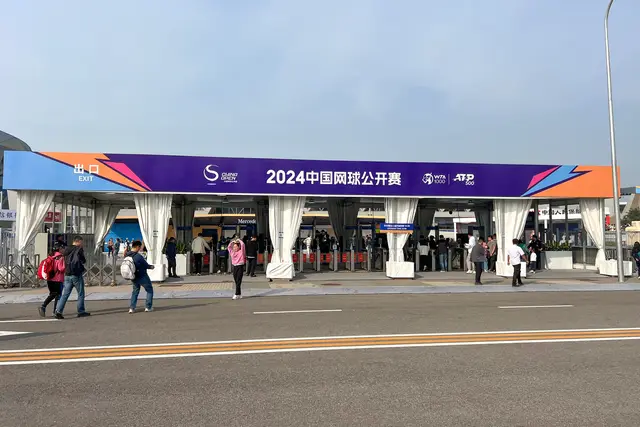
The Billie Jean King Cup Finals is the closest thing women’s tennis has to a World Cup: national teams, not individual seeds, go head to head across a compressed week of singles and doubles rubbers, and the crowd energy is closer to a football stadium than a typical tour stop. The 2026 edition was set for Shenzhen, September 22–27, putting the city alongside past hosts like Prague, Glasgow, and Malaga on the competition’s short list of Finals venues, a signal of how seriously the sport now treats Chinese cities as tennis markets, following Shenzhen’s own history of hosting WTA Finals in years past.
For a visitor, that history matters practically: Shenzhen already has the infrastructure (arenas, hotel stock, transit links) built up from those earlier top-tier tennis events, so a week like this tends to go smoothly even for first-time visitors to the city.
Getting there and getting around
Shenzhen sits just across the border from Hong Kong, and most international visitors route through one of two airports: Shenzhen Bao’an International Airport (SZX), which has direct connections to major Asian hubs and a growing number of long-haul routes, or Hong Kong International Airport, followed by a cross-border coach or the high-speed rail link into Shenzhen. From within China, the city’s high-speed rail stations (Shenzhen North and Futian) connect it to Guangzhou, Shanghai, and Beijing in a few hours.
Once you’re in the city, the Shenzhen Metro is the easiest way to move around. It’s extensive, signed in English, and connects the major districts where hotels cluster (Futian and Nanshan are the two most convenient for a big sporting event, since both have strong metro coverage and a dense concentration of restaurants and hotels).
What to expect on-site
Team tennis weeks like this work differently from a normal tournament stop. Round-robin group play comes in the earlier days, with ties (best-of-three format across two singles matches and a deciding doubles match) that can go long depending on how competitive the matchups are. The crowd is partisan and vocal, fans bring flags, chants, and national colors, and the atmosphere builds noticeably as the week narrows down to the semifinals and final.
Because this is a team event with players competing for their countries rather than themselves, lineups are announced by team captains close to each tie, so the names on court aren’t known until shortly before matches begin.
When to go
Late September in Shenzhen means the tail end of the subtropical wet season: warm, humid days with a real chance of rain showers, which shapes any time spent outdoors in the city on non-match days. Matches were scheduled indoors or under cover, so weather does not affect play, though it does affect sightseeing around the schedule.
Team sport draws mean the final four and the final aren’t set until the week is underway, so a specific matchup or the title match can’t be pinned to a single day in advance.
How to visit like a local
Shenzhen’s metro accepts contactless bank cards as well as stored-value travel cards, which beats fumbling with single-ticket machines. It’s how residents move through the city and the quickest way to and from a venue each day. Mobile payment is dominant here: Alipay and WeChat Pay cover almost everything from taxis to street food, and cash is increasingly an afterthought in daily transactions.
For the marquee sessions, security and entry queues lengthen fast in the final hour before first serve, and ties involving the home Chinese team or a heavily favored side draw the thickest crowds. Outside match hours, Shenzhen rewards wandering: it’s a young, fast-moving city built almost entirely since the 1980s, so there are few ancient temples — instead, design districts, night markets, and a skyline that changes year to year.
What wasn’t announced
Several specifics never became public: the exact venue, ticket prices, match times, and the detailed daily order of play for the 2026 Finals.
Frequently asked questions
What are the exact dates of the Billie Jean King Cup Finals in Shenzhen?
The event was set for September 22–27, 2026. That was the announced window; exact daily schedules were never published.
How do I get to Shenzhen for the event?
Fly into Shenzhen Bao'an International Airport (SZX) directly, or fly into Hong Kong International Airport and take a cross-border coach or high-speed rail into Shenzhen. Domestic travelers can use the high-speed rail into Shenzhen North or Futian stations.
How much do tickets cost?
Ticket prices had not been announced publicly ahead of the event.
How many days should I plan for?
The competition was scheduled for September 22–27, with the final four not settled until midweek. Two to three days covers the more competitive knockout matches, while fans following one team through the draw tend to stay for most of the week.
What's the weather like in Shenzhen in late September?
Late September in Shenzhen is warm and humid with a chance of rain — the tail end of the subtropical wet season. Matches were scheduled indoors or under cover, so weather does not affect play.
Plan your trip to Shenzhen
China eSIM & staying connected →
Some links above are affiliate links — if you book through them, Wander Atlas earns a small commission at no extra cost to you. It's how we keep every guide free.