Why go
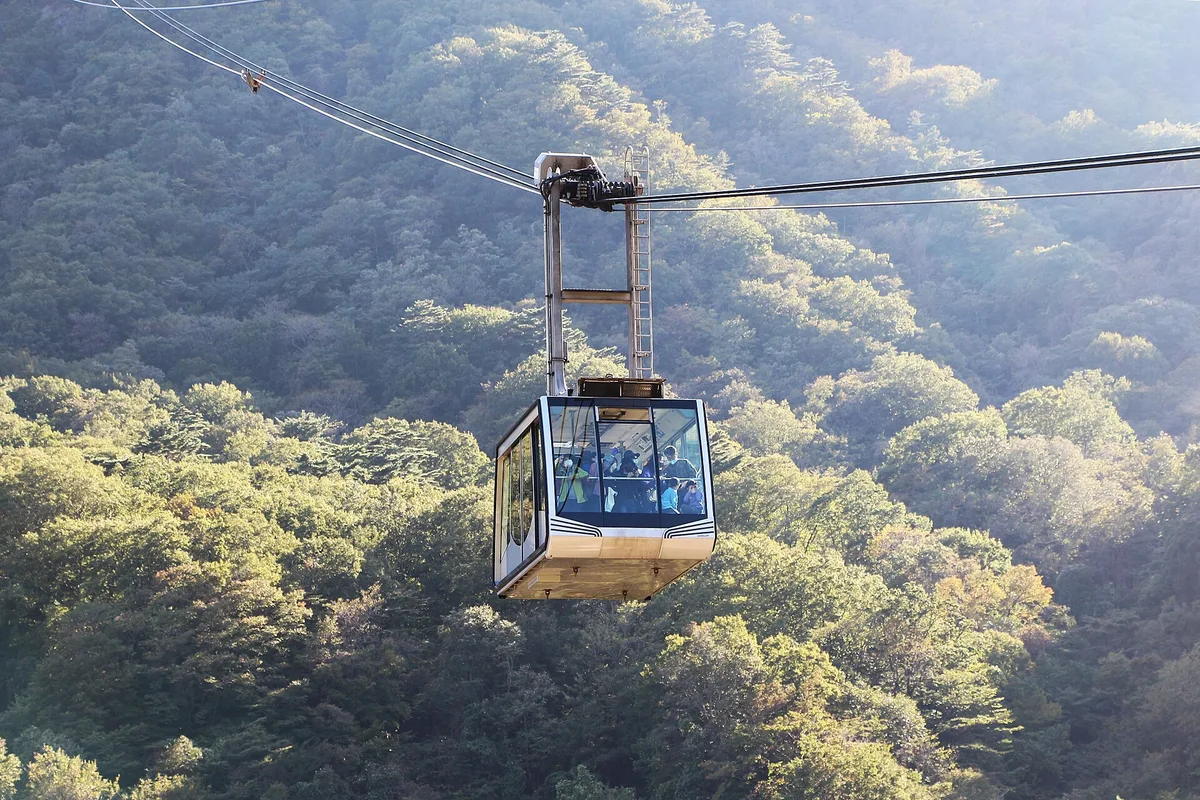
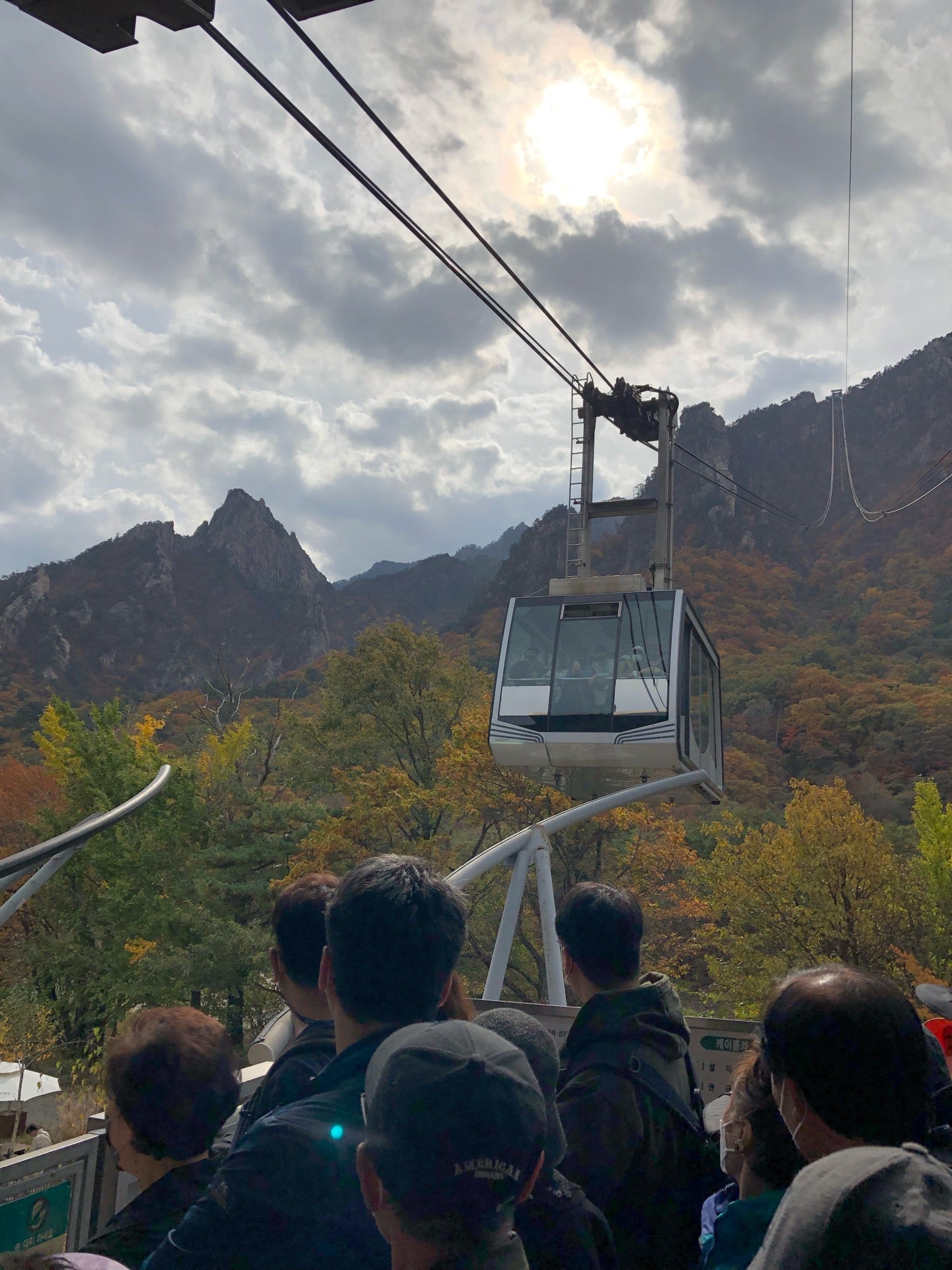
Seoraksan National Park is Korea’s most dramatic mountain range, all jagged granite peaks and deep valleys, but not everyone has the time or legs for a full-day trek to its high ridgelines. The Seoraksan Cable Car solves that problem elegantly: it lifts visitors from the valley floor to a rocky outcrop near Gwongeumseong Fortress in about six minutes, delivering panoramic views of the park’s granite crags, the East Sea coastline, and on clear days, the city of Sokcho below.
With a 4.3 rating from over 11,500 reviews, it’s one of the most consistently recommended attractions in the region. A rare case where the easy option is also genuinely spectacular.
Getting there
The cable car base station sits at 1137 Seoraksan-ro, Seorak-dong, Sokcho-si, just inside the entrance to Seoraksan National Park and a short walk from Sogongwon Park. Most visitors arrive by car or taxi from downtown Sokcho (about 15–20 minutes), or by public bus, city buses 7 and 7-1 run from Sokcho Intercity Bus Terminal and Sokcho Express Bus Terminal directly to the Seoraksan park entrance, with the cable car station a 5–10 minute walk from the bus stop through the park’s main gate.
There’s no train station in Sokcho itself; most out-of-town visitors come via bus from Seoul’s Dong Seoul or Express Bus Terminal (roughly 2–2.5 hours), then transfer to a local bus or taxi for the final leg.
What to see and do
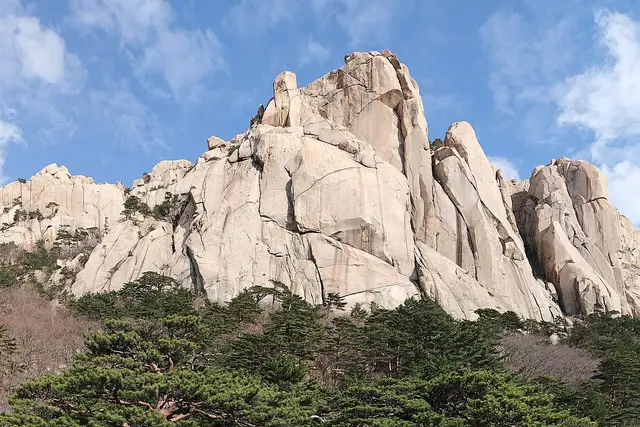
The cable car ascends to a station near the base of Gwongeumseong Fortress, a Goryeo-era mountaintop fortification whose stone remnants are still visible along the ridge. From the upper cable car station, it’s a short but steep 10–15 minute scramble up rock and metal stairways to the fortress site and its highest viewpoint, worth the effort for the 360-degree views over the jagged Ulsanbawi rock formation, the forested valleys of Seoraksan, and the coastline toward Sokcho and the East Sea.
Photographers should note the viewpoint gets crowded at peak times, so patience (or an early arrival) helps for an unobstructed shot.
Back at the base, Sogongwon Park makes a pleasant pre- or post-cable-car stroll, with ponds, a small pagoda, and shaded paths. Sinheungsa Temple, one of the oldest Seon (Zen) Buddhist temples in Korea, is a five-minute walk from the cable car entrance and worth combining with the visit. Look for the large bronze seated Buddha statue near the temple grounds. Together, the temple, park, and cable car make for a half-day outing without any serious hiking required.
When to go
Autumn (mid-October to early November) is peak season, when the surrounding slopes turn red and gold and the fortress viewpoint becomes one of the best foliage-viewing spots in the country. Expect the heaviest crowds and longest waits during this window. Spring (April–May) brings azaleas and greener, quieter conditions. Summer is lush but hazier, reducing visibility, while winter offers crisp, clear views and occasional snow-dusted peaks, though cold wind at the summit station can be sharp.
Whatever the season, morning visits (before 9–10am) generally mean shorter ticket lines, since tour buses and weekend crowds tend to build up by midday.
Nearby & tips
Operating hours and cable car schedules shift seasonally and occasionally close for high winds or maintenance, so it’s worth checking the official schedule the morning of your visit rather than assuming a fixed timetable. Ticketing is often first-come, first-served with departure times assigned in batches, so plan for some wait even outside peak season. Wear real shoes, not sandals, the ridge walk to the fortress involves uneven rock and metal grating.
After the visit, Seorak-dong’s cluster of restaurants near the park entrance serves regional Gangwon-do cooking, a fitting reward after the climb.
Frequently asked questions
How long does the cable car ride take?
The ascent takes about 6 minutes each way; including the short climb to Gwongeumseong Fortress and time at the viewpoint, plan for 1 to 1.5 hours round-trip.
How do I get to the cable car from downtown Sokcho?
Take city bus 7 or 7-1 from Sokcho Intercity or Express Bus Terminal to the Seoraksan park entrance, then walk about 5-10 minutes to the base station; a taxi takes roughly 15-20 minutes.
Is the cable car worth it if I'm not hiking Seoraksan?
Yes — it's the main way for non-hikers to get high mountain views quickly, and the short walk up to Gwongeumseong Fortress from the upper station requires no serious hiking experience, just sturdy shoes.
When should I visit to avoid crowds?
Arrive before 9-10am on a weekday if possible; mid-to-late October (peak fall foliage) draws the largest crowds and longest ticket lines.
What else can I see nearby?
Sinheungsa Temple is a 5-minute walk from the cable car entrance, and Sogongwon Park with its ponds and pagoda sits right at the base — both easily combined with the cable car visit.
Plan your trip to Sokcho
South Korea eSIM & staying connected →
Some links above are affiliate links — if you book through them, Wander Atlas earns a small commission at no extra cost to you. It's how we keep every guide free.
Related guides
 attraction
 Seoraksan National Park: Sokcho Travel Guide (4.5★)
 restaurant
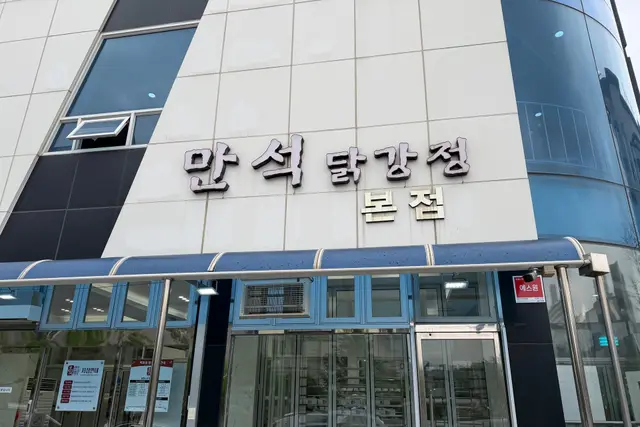
 Manseok Dakgangjeong(deep-fried and braised chicken): Where to Eat in Sokcho
 hidden gem
 Sokcho Lighthouse: Travel Guide (4.3★)
 attraction