Master of the Nets Garden: Suzhou Travel Guide (4.6★)
When to visit China: month-by-month weather, crowds and holidays →
✓ Facts verified via Google Places · Aug 7, 2026
At a glance
How this guide is made
Produced with AI assistance and reviewed against live data sources. Facts such as hours, ratings, and location come from Google Places; images are licensed or public domain. Details can change — please verify before visiting. Editorial policy
Why go
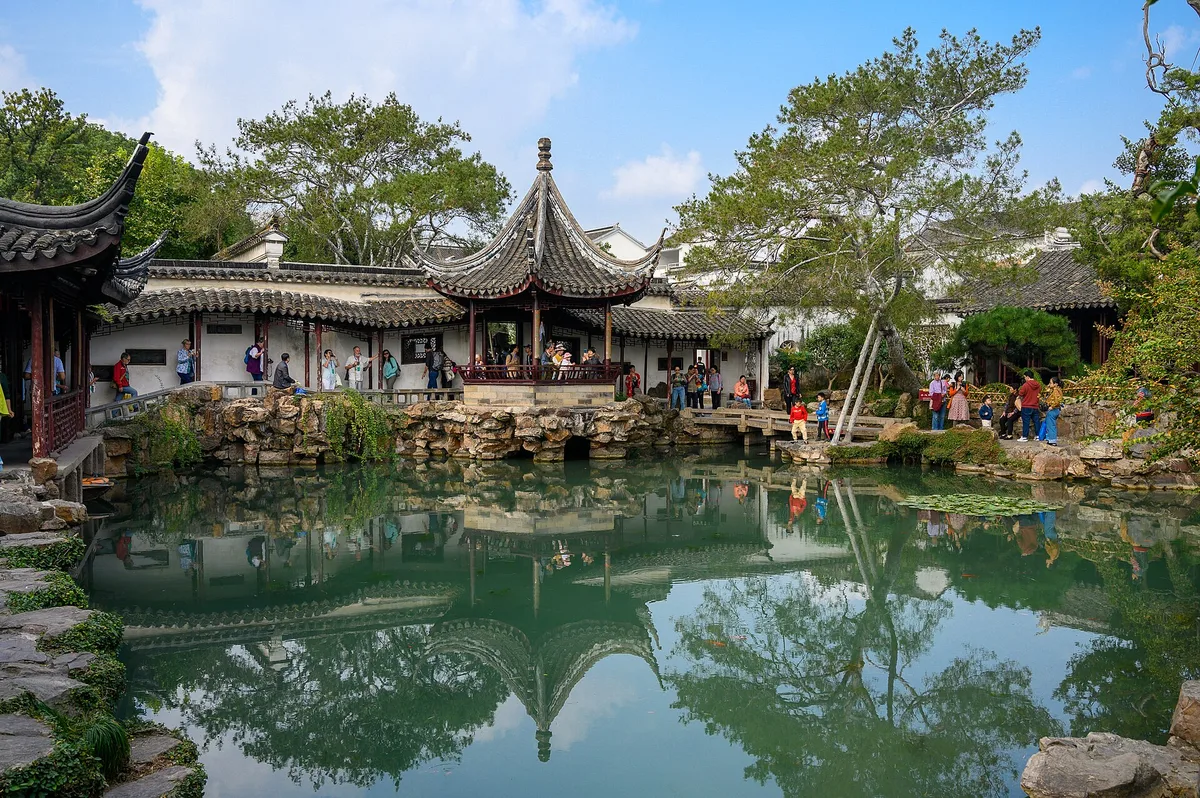
Suzhou has nine classical gardens on the UNESCO World Heritage list, but Master of the Nets is the one connoisseurs quietly point to first. It’s the smallest of the major gardens, built around a single central pond, and that scale is the whole point.
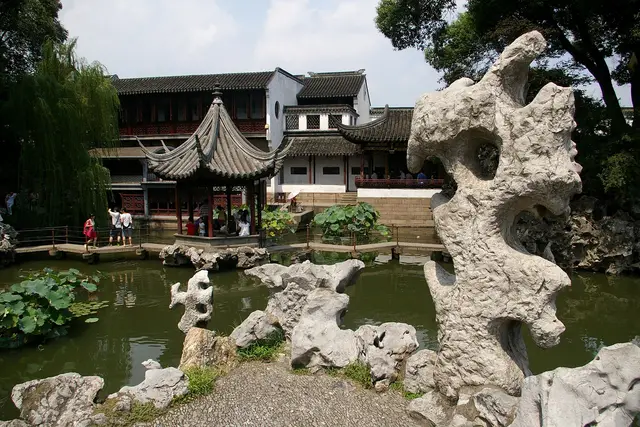
Where Humble Administrator’s Garden sprawls, this one folds in on itself. Every pavilion, rock, and moon gate is placed to be seen from a specific angle, so you’re constantly discovering new framed views rather than wandering open lawns.
What you’ll see
The layout dates to the 12th century, though most of what survives was rebuilt in the 18th century by a retired official who named it for his fishing ambitions rather than his official career. The central pond anchors everything.
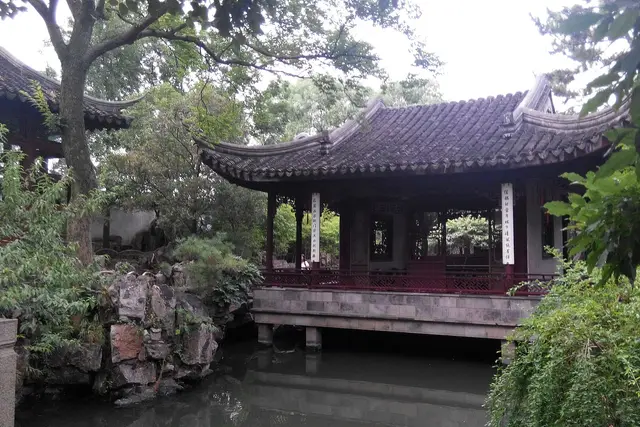
Covered walkways zigzag along the water, opening onto small courtyards with names like the Duck-Shooting Corridor and Pavilion of Washing My Ribbon. Look for the miniature “Watching Pines and Appreciating Paintings” studio. It’s one of the best examples anywhere of a scholar’s garden room designed purely for framing a view.
Rockery and dwarf trees stand in for mountains and forests, a deliberate compression of nature that Suzhou gardens are famous for. Give yourself time to sit on a stone bench rather than just circling the loop once.
Getting there
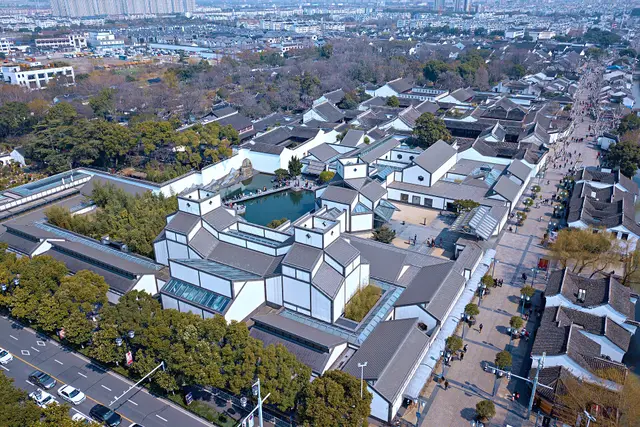
The garden sits in the Gusu District, Suzhou’s old walled city, within walking distance of other classical gardens if you want to combine a few in one day. Most visitors reach it by taxi or ride-hailing app from central Suzhou, which is faster than public transit given the narrow lanes nearby.
If you’re coming by train, Suzhou Railway Station is roughly a 20-minute taxi ride away depending on traffic. Once you’re in the old city, the surrounding streets are narrow and best covered on foot, GPS can be unreliable in the lane network, so it helps to have the address saved in Chinese for a driver.
The evening performance
What sets this garden apart is what happens after dark. On select evenings, typically in the warmer months, the garden stays open for a performance staged directly inside its pavilions and courtyards.
Musicians, opera singers, and dancers move between the small stages as you follow along, lit by lantern light reflecting off the pond. It’s an entirely different experience from the daytime visit, quieter, more theatrical, and far less crowded than the equivalent evening shows at bigger sites. Check locally for the current season and schedule, since it isn’t offered year-round.
How to visit like a local
Go in the late morning on a weekday, after the first rush of tour groups has moved on to bigger gardens elsewhere in the city. This garden is compact, so even a modest crowd can feel busy, arriving early or mid-morning gives you the empty courtyards that make the place worth visiting.
- Buy tickets at the gate or online in advance. A same-day walk-up is usually fine outside peak holiday weeks.
- Pay by mobile if you can; most vendors and ticket counters in Suzhou now favor WeChat Pay or Alipay over cash.
- Don’t rush the loop. The design rewards stopping and looking back at where you came from, most tourists miss this and just walk straight through.
- Wear soft-soled shoes. Stone paths and low thresholds between courtyards are easy to trip on if you’re not looking down.
The most common mistake is treating this like a quick photo stop on the way to a bigger garden. Because it’s compact and less visited than Suzhou’s headline sites, it’s actually the one where slowing down pays off most. Ask staff at the gate about the evening performance schedule if you’re visiting between spring and autumn. It’s easy to miss if you don’t ask directly.
When to go
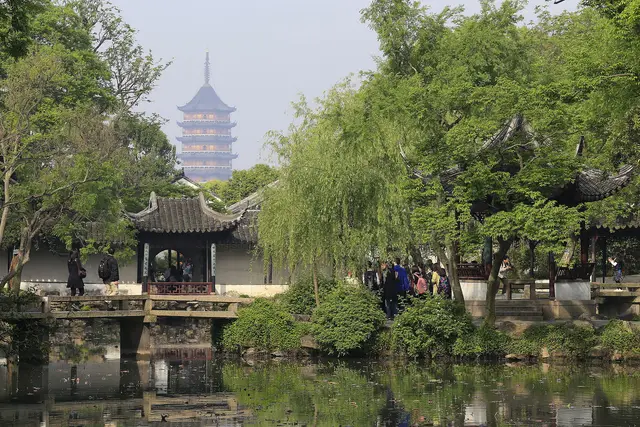
Spring and autumn bring the mildest weather and the best light for the water reflections. Summer is hot and humid, though it’s also performance season, and winter is quiet with a rawer, more austere version of the same views.
Frequently asked questions
How much time should I spend at Master of the Nets Garden?
Plan for 45–75 minutes during the day. If you attend the evening performance, add another hour or so for that separately.
When is the quietest time to visit?
Late morning on a weekday, after tour groups head to the larger gardens like Humble Administrator's Garden, tends to be calmest.
How do I get there from Suzhou Railway Station?
It's about a 20-minute taxi or ride-hailing trip depending on traffic. Save the address in Chinese characters to show your driver, since the old-city lanes can confuse GPS.
Is the evening performance worth planning around?
Yes — it's staged inside the actual pavilions and courtyards, typically during warmer months, and is far less crowded than similar shows at bigger Suzhou sites. Confirm current dates locally before you go.
Can I combine it with other gardens in one day?
Yes, it sits in the Gusu District within reach of Suzhou's other classical gardens, making it easy to pair with a second garden visit on the same day.
Plan your trip to Suzhou
Some links above are affiliate links — if you book through them, Wander Atlas earns a small commission at no extra cost to you. It's how we keep every guide free.