Why Taroko Gorge pulls people in
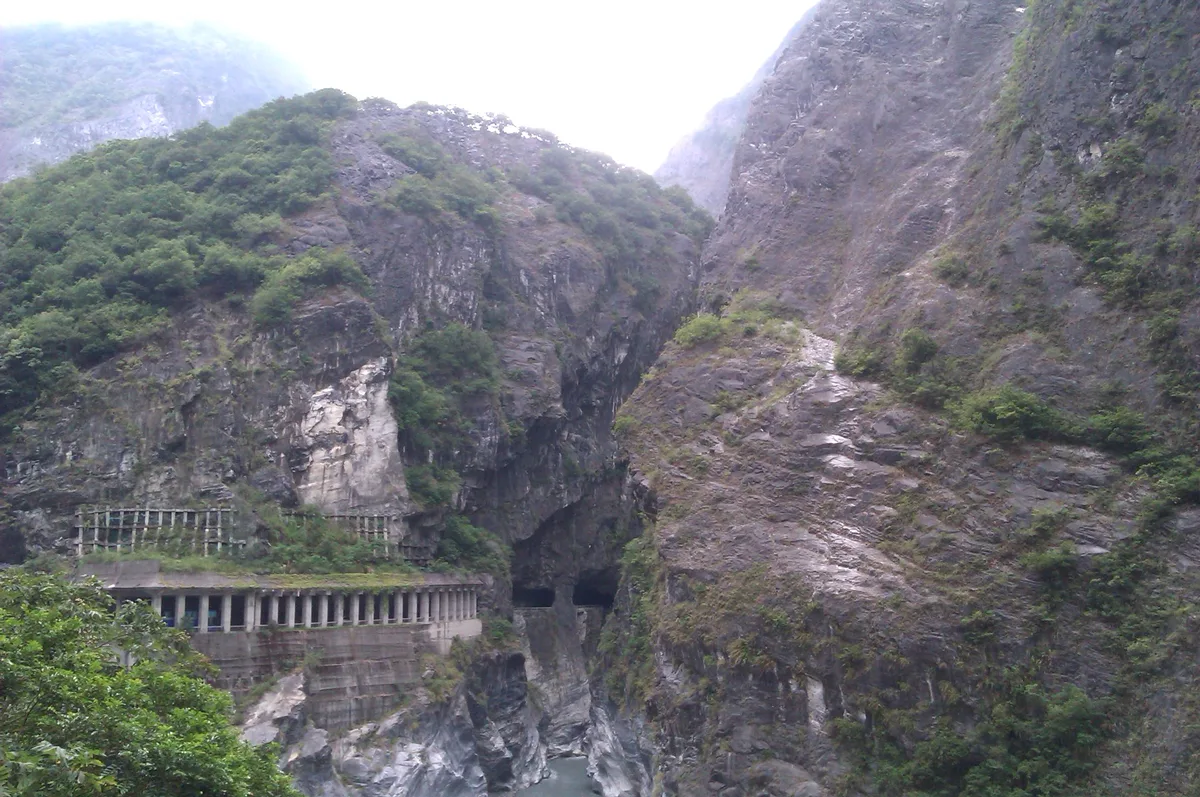
The road drops into a slot of white and grey marble, and the Liwu River churns green-white far below. Cliffs rise so sheer that sunlight only reaches the canyon floor at midday. This is Taiwan’s most dramatic landscape, and it’s been protected as a national park since 1986, covering 920 square kilometers of mountains, gorges and coastline.
You don’t need to be a hardcore hiker to feel it. Short boardwalks hug the cliff face just feet from the water, and even a half-day loop leaves you with the sense you’ve seen something genuinely rare.
Getting there and getting around
Most visitors base themselves in Hualien City, about 20–40 minutes from the gorge entrance depending on traffic. From Hualien Station, Taroko-bound buses (Hualien Bus routes 302 and 1126) run to key stops like Swallow Grotto and Tianxiang, but schedules are infrequent and seats fill fast.
Renting a scooter in Hualien gives you far more flexibility to stop where you like. Many travelers instead book a half-day or full-day shuttle/taxi tour, which bundles the main viewpoints with a driver who waits at each stop.
A rental car works too, but note that some trail sections require a free permit obtained in advance or at the visitor center, particularly for routes affected by rockfall closures.

What to see inside the park
Start at the Taroko Gorge Visitor Center for trail maps and current closure updates, landslides periodically shut sections after typhoons or earthquakes.
- Shakadang Trail, a flat, easy path along a turquoise tributary, good for families
- Swallow Grotto (Yanzikou), a narrow, pothole-riddled cliff walk, one of the park’s signature views
- Eternal Spring Shrine, a temple built into the cliff beside a waterfall, memorializing road workers who died building the highway
- Tianxiang, the gorge’s inner hub, with a pagoda, suspension bridge and food stalls
- Baiyang Waterfall Trail, includes a tunnel walk ending at a curtain waterfall
Most of these sit along the Central Cross-Island Highway, so a day trip can string together four or five stops without much backtracking.
When to go
Weekends between 9am and 5pm are the park’s busiest stretch, tour buses converge on the main viewpoints and parking fills up fast. If you can, visit on a weekday.
Evenings are noticeably calmer: the quietest window runs 7pm–11pm on weekdays and 6pm–11pm on weekends, though note some trails and shuttle services wind down after dark, so evening visits suit driving the highway and viewpoints rather than hiking.
For daytime visits, arriving right when gates open gives you an hour or two before the tour groups roll in. Spring and autumn bring milder temperatures than the humid summer months, and typhoon season (roughly July–October) can trigger sudden closures.
How to visit like a local
Because this is one of Taiwan’s most visited natural sites, the smart move isn’t finding a quiet corner. It’s timing your visit around the crowds.
- Arrive at opening time on a weekday, or explore in the evening hours (6–11pm) when the roads are emptiest
- Wear a hard hat where provided at rockfall-prone sections like Swallow Grotto. This isn’t tourist theater, it’s a real hazard zone
- Check the visitor center’s trail-status board first thing, since sections close without much notice after heavy rain
- Pay for shuttle tours and permits in cash or by mobile payment (Line Pay is common among local operators); don’t assume card machines everywhere
- Bring your own water and snacks, options thin out fast between Tianxiang and the outer gorge
The most common visitor mistake is trying to see the whole park on foot from a single base. Distances between trailheads are long, and without a vehicle or tour you’ll burn most of your day just getting between stops. Plan your route around three or four highlights rather than everything at once, and you’ll leave with time to actually stand at the railings and look up.
Frequently asked questions
How long should I spend at Taroko Gorge?
A full day gives you time for four or five highlights like Shakadang Trail, Swallow Grotto, Eternal Spring Shrine and Tianxiang. A rushed half-day can cover two or three stops if you have your own transport.
What's the best way to get around inside the park?
Renting a scooter or car in Hualien, or booking a half/full-day shuttle tour, gives the most flexibility. Public buses (routes 302 and 1126) run but are infrequent and can fill up.
When is the park least crowded?
Evenings are calmest — 7pm–11pm on weekdays and 6pm–11pm on weekends. Avoid weekends between 9am and 5pm, when tour buses and day-trippers pack the main viewpoints.
Do I need a permit to hike here?
Some restricted trails require a free permit arranged in advance or at the visitor center, especially routes with rockfall risk. Main sightseeing spots like Swallow Grotto and Shakadang don't require one.
What's nearby if I want to extend the trip?
Hualien City, the usual base for the gorge, has a night market and coastal scenery of its own, and is a short train ride from Taipei on the east coast rail line.
Plan your trip to Taroko Gorge
Some links above are affiliate links — if you book through them, Wander Atlas earns a small commission at no extra cost to you. It's how we keep every guide free.
Related guides
 attraction
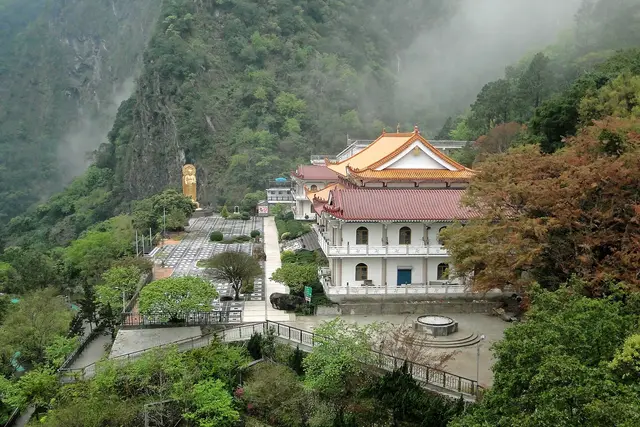
 Xiangde Temple: Taroko Gorge Travel Guide (4.5★)
 attraction
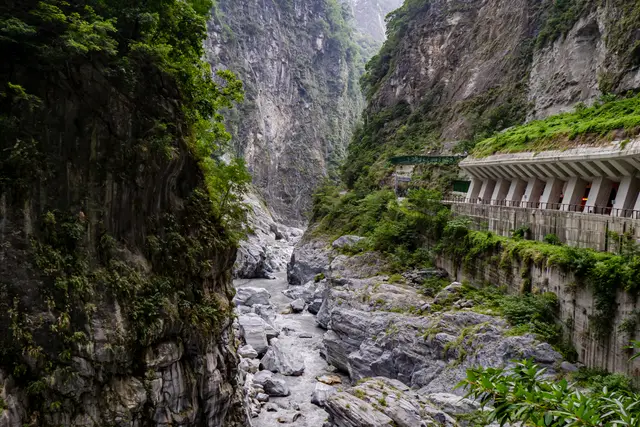
 Lushui Trail: Taroko Gorge Travel Guide (4.4★)
 hidden gem
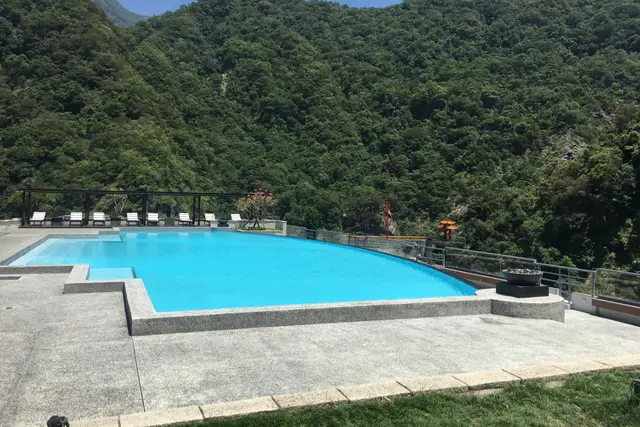
 Silks Place Taroko: Taroko Gorge Travel Guide (4.7★)
 attraction