
Italy · Region
Anterselva
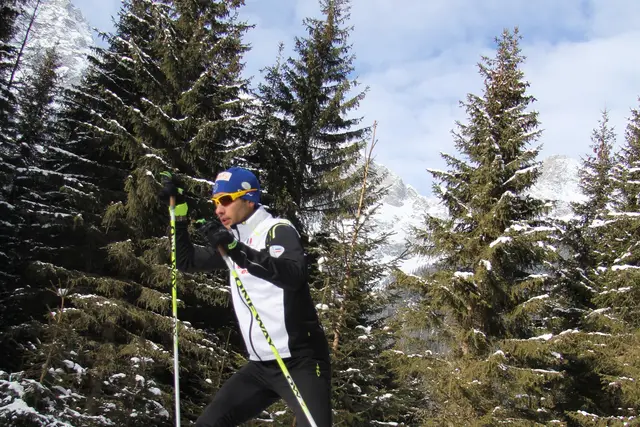
Anterselva (Antholz in German) is a high alpine valley in South Tyrol, cradled by the Rieserferner Mountains and best known as home to the Südtirol Arena, one of the world's premier biathlon venues. Beyond the World Cup crowds, it offers quiet cross-country trails, a glacial lake and the kind of still, pine-scented air that defines the Dolomites' lesser-visited corners.
Top-rated things to do in Anterselva
Booking links are affiliate links — booking through them supports our free guides at no extra cost to you.
Where to stay in Anterselva
Compare Anterselva hotels and stays at the lowest price — deals, ratings, and real traveler reviews.
Search hotels in Anterselva →Booking links are affiliate links — booking through them supports our free guides at no extra cost to you.
Plan your trip to Anterselva
Italy eSIM & staying connected →
Some links above are affiliate links — if you book through them, Wander Atlas earns a small commission at no extra cost to you. It's how we keep every guide free.
When to visit Italy: month-by-month weather, crowds and holidays →
Frequently asked questions about Anterselva
How do I get to Anterselva?
There is no airport or main rail line directly in the valley; travellers take a train along the Val Pusteria line to Valdaora-Anterselva (Olang-Antholz) station, then continue by local bus or shuttle into Anterselva itself. The nearest airports, Bolzano, Innsbruck and Venice, are all roughly ~100 to 210km away, so most visitors combine a flight into one of these with a regional train transfer via Fortezza or Bruneck.
How many days should I spend in Anterselva?
Plan on ~2 to 3 days to take in the biathlon arena, Lake Anterselva and a short valley hike, or longer if you intend to use it as a base for the wider Pustertal and Plan de Corones area.
What is Anterselva known for?
Anterselva (Antholz in German) is a high alpine valley in South Tyrol, cradled by the Rieserferner Mountains and best known as home to the Südtirol Arena, one of the world's premier biathlon venues. Beyond the World Cup crowds, it offers quiet cross-country trails, a glacial lake and the kind of still, pine-scented air that defines the Dolomites' lesser-visited corners.