New Zealand · Region
Christchurch
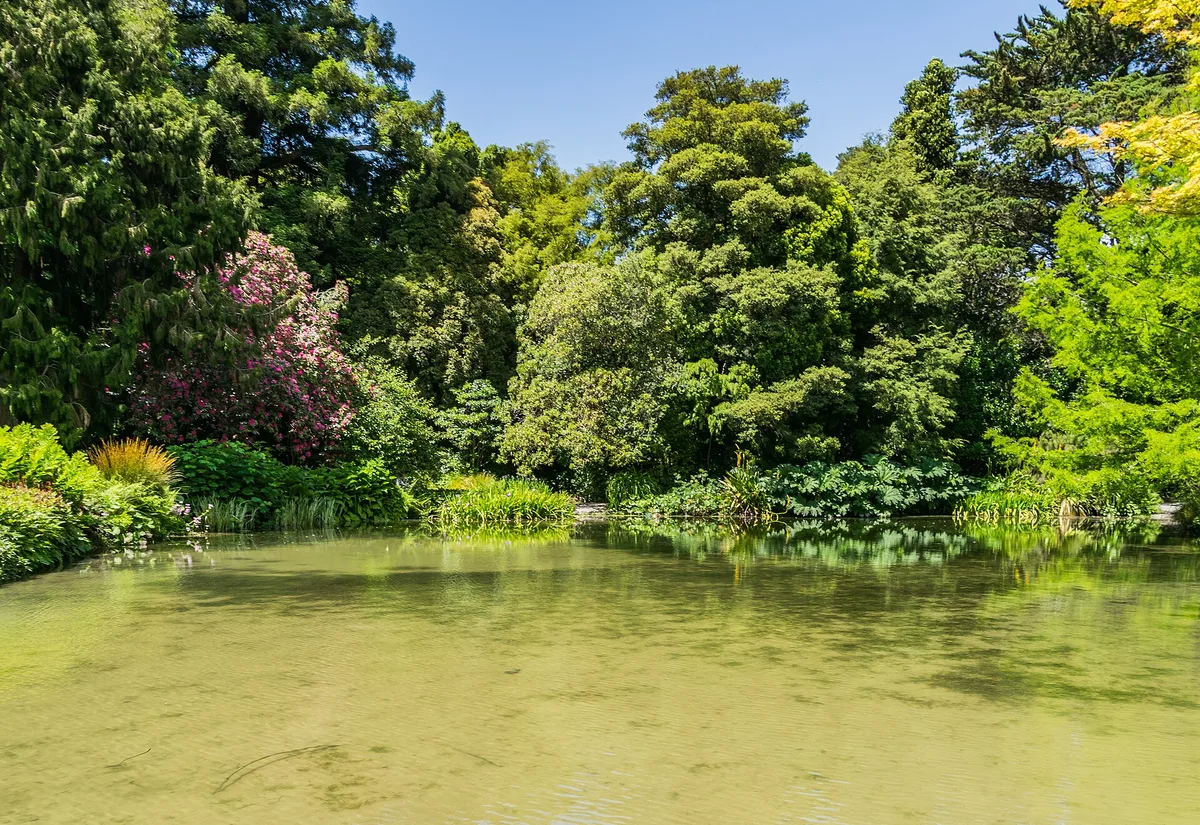
Christchurch, New Zealand's "Garden City," pairs wide parks and the Ōtākaro Avon River with a city centre that has been rebuilt almost from scratch since the devastating 2010 and 2011 earthquakes. It now serves as the main gateway to the South Island, the Southern Alps and even Antarctic expeditions, while retaining the leafy, laid-back feel that gave it its nickname.
Top-rated things to do in Christchurch
Booking links are affiliate links — booking through them supports our free guides at no extra cost to you.
Where to stay in Christchurch
Compare Christchurch hotels and stays at the lowest price — deals, ratings, and real traveler reviews.
Search hotels in Christchurch →Booking links are affiliate links — booking through them supports our free guides at no extra cost to you.
Plan your trip to Christchurch
New Zealand eSIM & staying connected →
Some links above are affiliate links — if you book through them, Wander Atlas earns a small commission at no extra cost to you. It's how we keep every guide free.
When to visit New Zealand: month-by-month weather, crowds and holidays →
Frequently asked questions about Christchurch
How do I get to Christchurch?
Most travellers arrive via Christchurch International Airport (CHC), about 12km northwest of the city centre; from there, a public Metro bus (Route 29, the Purple Line) runs to the central Bus Interchange in roughly 30 to 40 minutes, while taxis and rideshares cover the same trip faster. Christchurch is also a rail hub: it is the starting point for the scenic TranzAlpine service across the Southern Alps.
How many days should I spend in Christchurch?
Plan on ~2 to 3 days to cover the rebuilt city centre, Hagley Park, the Botanic Gardens and the Cathedral Square area, with extra time if you are using Christchurch as a base for day trips into Canterbury or onward rail journeys.
What is Christchurch known for?
Christchurch, New Zealand's "Garden City," pairs wide parks and the Ōtākaro Avon River with a city centre that has been rebuilt almost from scratch since the devastating 2010 and 2011 earthquakes. It now serves as the main gateway to the South Island, the Southern Alps and even Antarctic expeditions, while retaining the leafy, laid-back feel that gave it its nickname.