Malaysia · Region
Cyberjaya
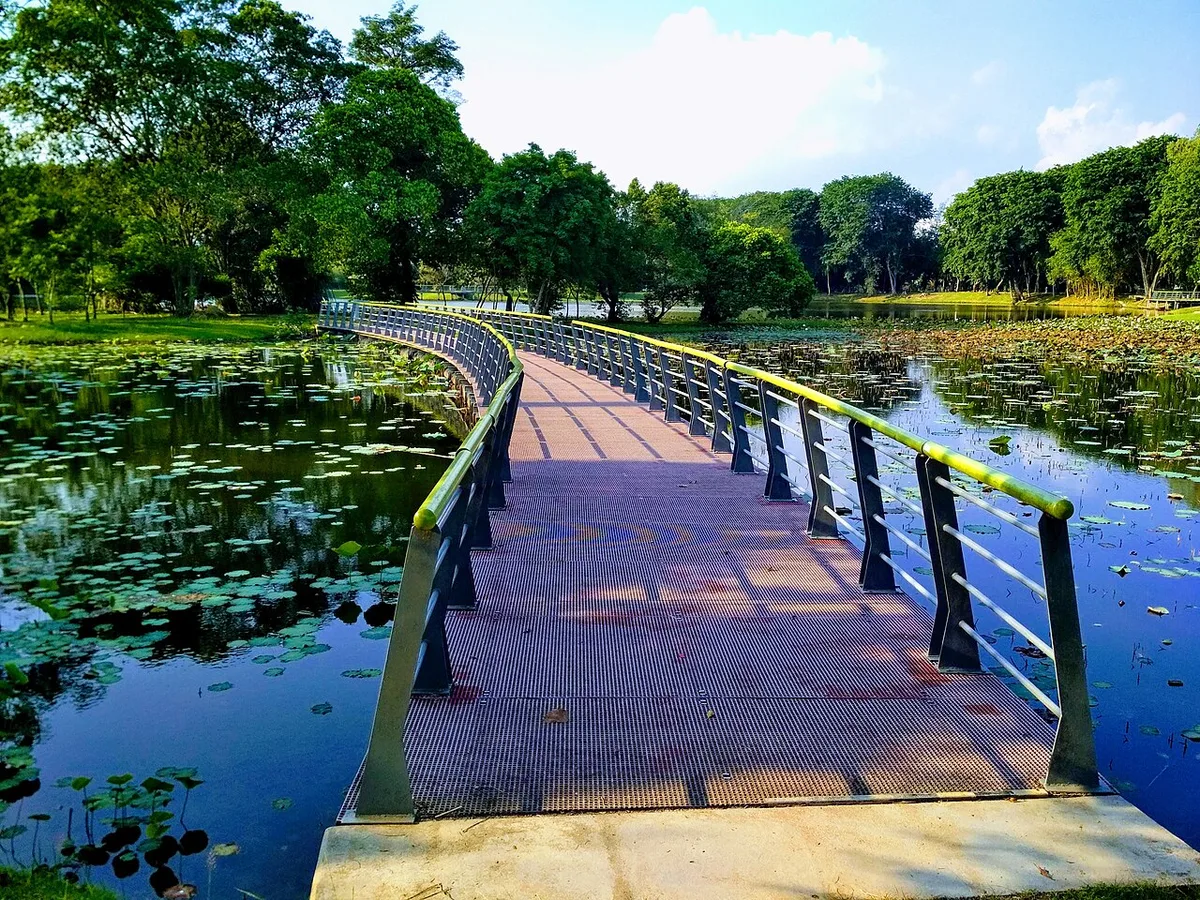
Cyberjaya is Malaysia's purpose-built technology township, a planned city of glass office parks, data centres and university campuses rather than the shophouses and street markets typical of older Malaysian towns. Developed from the late 1990s as the anchor of the Multimedia Super Corridor, it functions less like a traditional tourist destination and more like a working tech and education hub on the fringe of the Klang Valley.
Top-rated things to do in Cyberjaya
Booking links are affiliate links — booking through them supports our free guides at no extra cost to you.
Where to stay in Cyberjaya
Compare Cyberjaya hotels and stays at the lowest price — deals, ratings, and real traveler reviews.
Search hotels in Cyberjaya →Booking links are affiliate links — booking through them supports our free guides at no extra cost to you.
Plan your trip to Cyberjaya
Malaysia eSIM & staying connected →
Some links above are affiliate links — if you book through them, Wander Atlas earns a small commission at no extra cost to you. It's how we keep every guide free.
When to visit Malaysia: month-by-month weather, crowds and holidays →
Frequently asked questions about Cyberjaya
How do I get to Cyberjaya?
Most travellers arrive via Kuala Lumpur International Airport (KLIA/KUL); from there, the KLIA Transit train (not the non-stop KLIA Ekspres) runs directly to the Putrajaya & Cyberjaya station, a journey of roughly 15-20 minutes. The MRT Putrajaya Line also serves the town directly at Cyberjaya Utara and Cyberjaya City Centre stations, with taxis or ride-hailing apps covering the final stretch into Cyberjaya's spread-out grid.
How many days should I spend in Cyberjaya?
~1-2 days is enough to cover Cyberjaya's main business districts, malls and university campuses, since it is compact and car/Grab-oriented rather than a multi-day sightseeing destination.
What is Cyberjaya known for?
Cyberjaya is Malaysia's purpose-built technology township, a planned city of glass office parks, data centres and university campuses rather than the shophouses and street markets typical of older Malaysian towns. Developed from the late 1990s as the anchor of the Multimedia Super Corridor, it functions less like a traditional tourist destination and more like a working tech and education hub on the fringe of the Klang Valley.