Thailand · Region
Nakhon Ratchasima
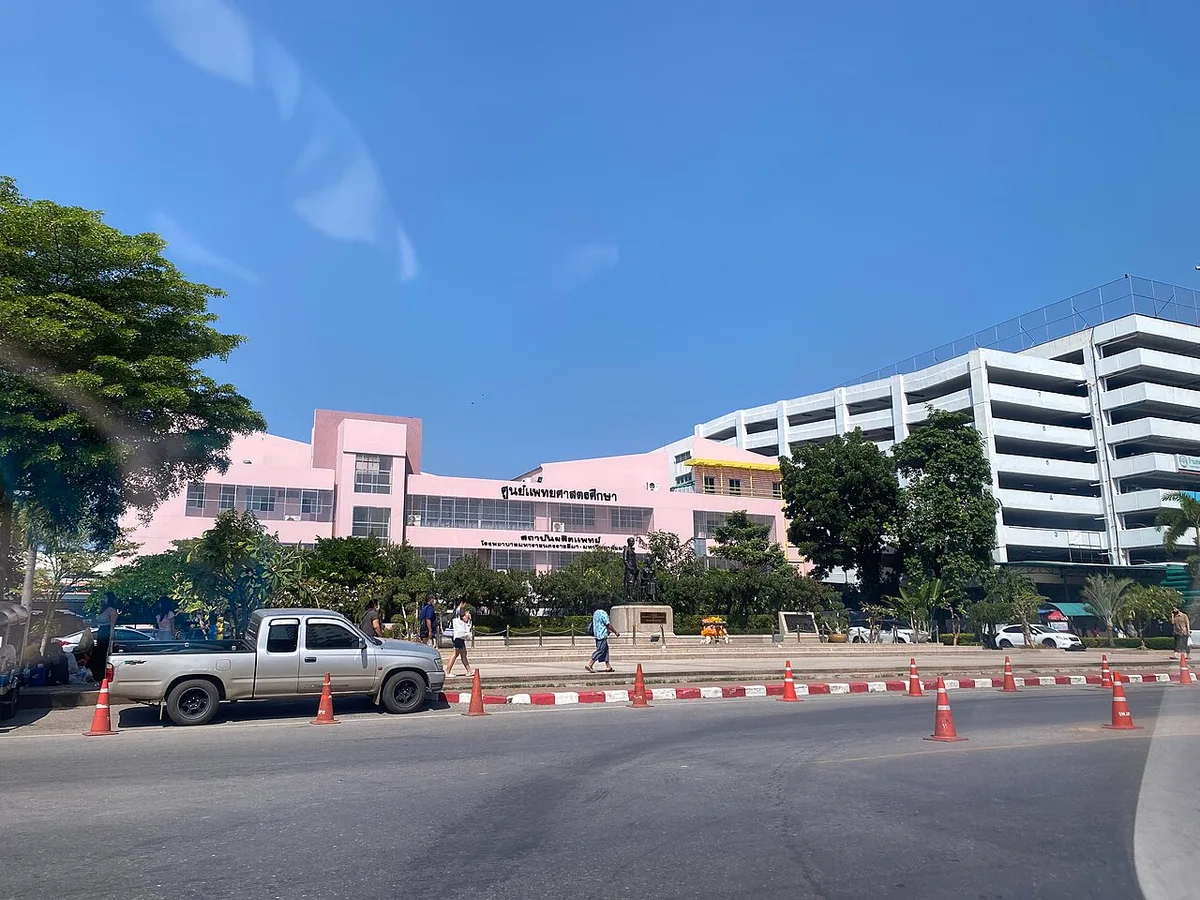
Nakhon Ratchasima, known locally as Korat, is the largest city in Thailand's northeastern Isan region and serves as the main gateway to both Khao Yai National Park and the Khmer ruins of Phimai. It is a working provincial capital rather than a resort town, offering spicy Isan cuisine, busy night markets and an unhurried pace far removed from Bangkok's tourist trail.
Top-rated things to do in Nakhon Ratchasima
Booking links are affiliate links — booking through them supports our free guides at no extra cost to you.
Where to stay in Nakhon Ratchasima
Compare Nakhon Ratchasima hotels and stays at the lowest price — deals, ratings, and real traveler reviews.
Search hotels in Nakhon Ratchasima →Booking links are affiliate links — booking through them supports our free guides at no extra cost to you.
Plan your trip to Nakhon Ratchasima
Thailand eSIM & staying connected →
Some links above are affiliate links — if you book through them, Wander Atlas earns a small commission at no extra cost to you. It's how we keep every guide free.
When to visit Thailand: month-by-month weather, crowds and holidays →
Frequently asked questions about Nakhon Ratchasima
How do I get to Nakhon Ratchasima?
Most travellers reach Korat by bus or train from Bangkok, with buses from the capital's terminal taking roughly 3 to 4 hours along Highway 2; trains run on the Northeastern Line into the city's Thanon Chira Junction and Nakhon Ratchasima stations, with journeys taking ~4 to 6 hours. The local airport (NAK) currently has no scheduled commercial flights, so road or rail is the reliable route in.
How many days should I spend in Nakhon Ratchasima?
Plan on ~2 to 3 days to cover the city itself plus a day trip to Khao Yai National Park, or longer if adding Phimai's ancient temple complex to the itinerary.
What is Nakhon Ratchasima known for?
Nakhon Ratchasima, known locally as Korat, is the largest city in Thailand's northeastern Isan region and serves as the main gateway to both Khao Yai National Park and the Khmer ruins of Phimai. It is a working provincial capital rather than a resort town, offering spicy Isan cuisine, busy night markets and an unhurried pace far removed from Bangkok's tourist trail.