Uzbekistan · Region
Namangan
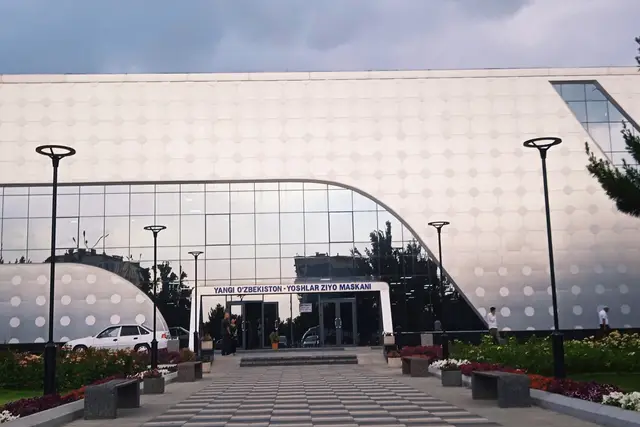
Namangan sits in the fertile Fergana Valley, less than 30 km from the Kyrgyz border, and has thrived as a craft and trade centre since the 17th century. Today it feels less like a tourist stop and more like a working city, with a huge bazaar, Soviet-built factories and light industry giving it a grittier, more authentic edge than Samarkand or Bukhara.
Top-rated things to do in Namangan
Live prices from Klook. Booking through these links supports our free guides at no extra cost to you.
Where to stay in Namangan
Compare Namangan hotels and stays at the lowest price — deals, ratings, and real traveler reviews.
Search hotels in Namangan →Booking links are affiliate links — booking through them supports our free guides at no extra cost to you.
Plan your trip to Namangan
Some links above are affiliate links — if you book through them, Wander Atlas earns a small commission at no extra cost to you. It's how we keep every guide free.
When to visit Uzbekistan: month-by-month weather, crowds and holidays →
Frequently asked questions about Namangan
How do I get to Namangan?
Namangan Airport (NMA) connects to Tashkent and a small range of regional and Russian cities; most overland travellers instead take the direct train from Tashkent to Namangan station (~5 hours) or a shared taxi over the Kamchik Pass.
How many days should I spend in Namangan?
Most visitors allow ~1-2 days, enough to cover the bazaar, old madrasas and Bobur Park before moving on elsewhere in the Fergana Valley.
What is Namangan known for?
Namangan sits in the fertile Fergana Valley, less than 30 km from the Kyrgyz border, and has thrived as a craft and trade centre since the 17th century. Today it feels less like a tourist stop and more like a working city, with a huge bazaar, Soviet-built factories and light industry giving it a grittier, more authentic edge than Samarkand or Bukhara.