Japan · Region
Naoshima
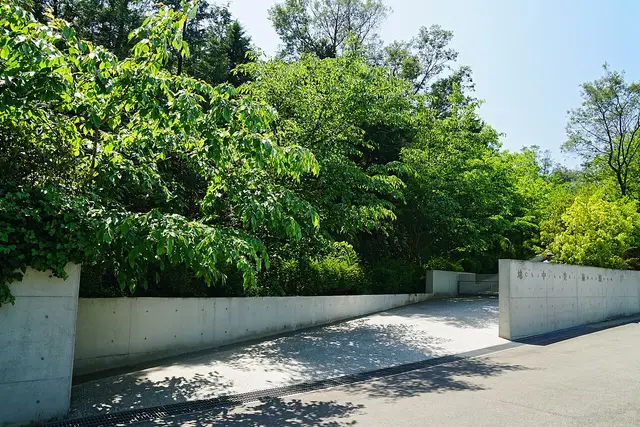
Naoshima is a small island in the Seto Inland Sea that has transformed itself into one of the world's most concentrated open-air art destinations, blending Tadao Ando-designed museums, James Turrell installations and Yayoi Kusama's giant polka-dot pumpkin into a landscape of fishing villages and quiet coastline. It rewards slow travel: visitors cycle between galleries, converted bathhouses and outdoor sculptures scattered across a place still shaped by its everyday rhythms as a Setouchi fishing community.
Top-rated things to do in Naoshima
Booking links are affiliate links — booking through them supports our free guides at no extra cost to you.
Where to stay in Naoshima
Compare Naoshima hotels and stays at the lowest price — deals, ratings, and real traveler reviews.
Search hotels in Naoshima →Booking links are affiliate links — booking through them supports our free guides at no extra cost to you.
Plan your trip to Naoshima
Japan eSIM & staying connected →
Some links above are affiliate links — if you book through them, Wander Atlas earns a small commission at no extra cost to you. It's how we keep every guide free.
When to visit Japan: month-by-month weather, crowds and holidays →
Frequently asked questions about Naoshima
How do I get to Naoshima?
Naoshima has no airport of its own; the nearest is Takamatsu Airport (TAK), from which travellers continue by bus or train to a ferry port. Most visitors reach the island by ferry from either Uno Port near Okayama (~20 minutes) or Takamatsu Port on Shikoku (~50 minutes, or ~25 minutes by high-speed boat), both arriving at Miyanoura Port.
How many days should I spend in Naoshima?
Plan on ~2 days to take in the main museums, art houses and a couple of villages at an unrushed pace, or a single long day if you are focusing only on one or two sites near Miyanoura.
What is Naoshima known for?
Naoshima is a small island in the Seto Inland Sea that has transformed itself into one of the world's most concentrated open-air art destinations, blending Tadao Ando-designed museums, James Turrell installations and Yayoi Kusama's giant polka-dot pumpkin into a landscape of fishing villages and quiet coastline. It rewards slow travel: visitors cycle between galleries, converted bathhouses and outdoor sculptures scattered across a place still shaped by its everyday rhythms as a Setouchi fishing community.