Philippines · Region
Palawan
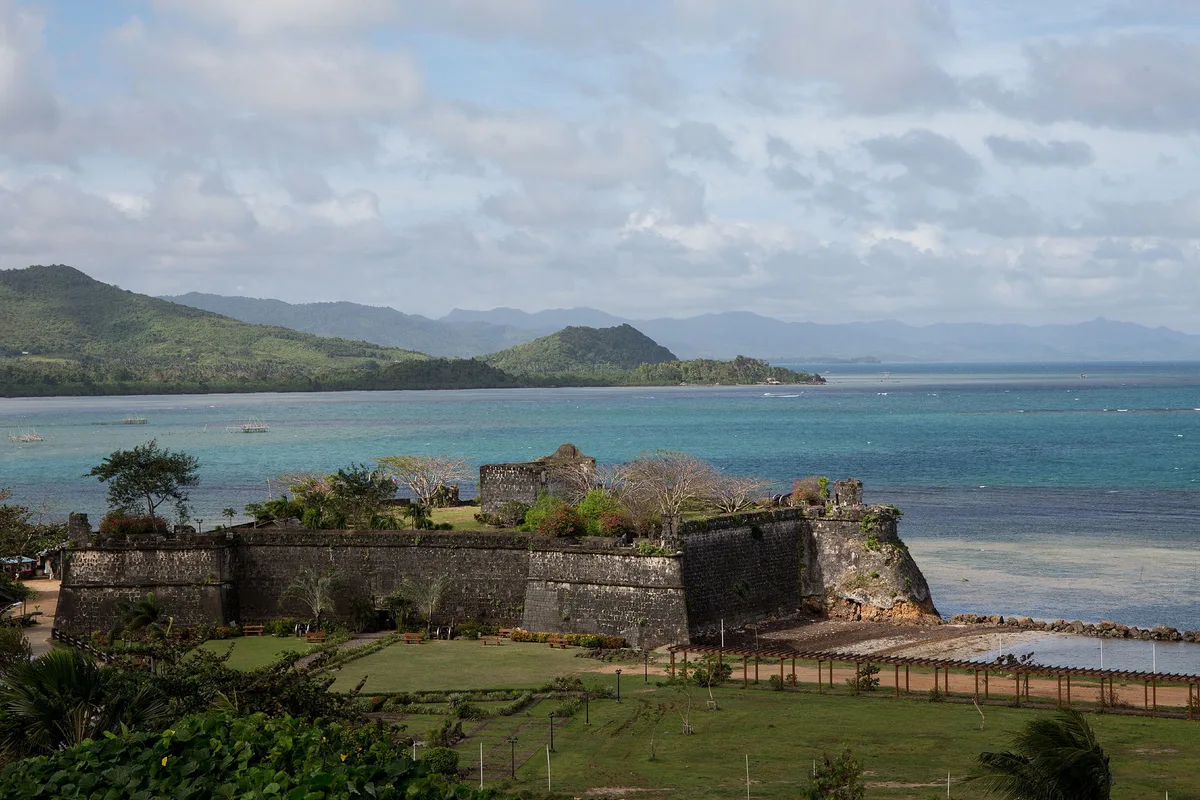
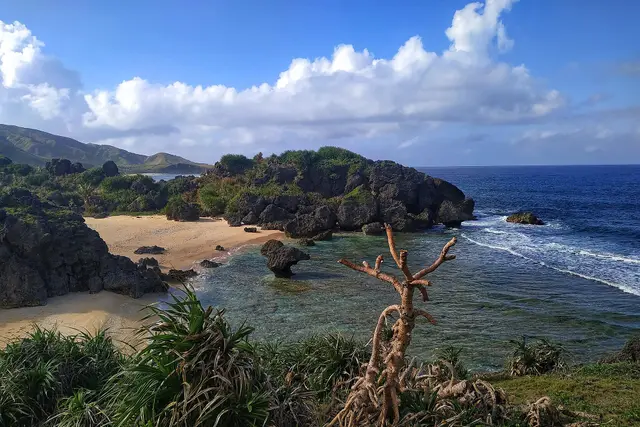
Palawan is the Philippines' last ecological frontier, an elongated island province of limestone karst cliffs, hidden lagoons, and coral-fringed islets stretching between the South China Sea and the Sulu Sea. It's home to the UNESCO-listed Puerto Princesa Subterranean River and the wreck-diving waters of Coron, making it one of the country's most biodiverse and photographed destinations.
Top attractions
 attraction
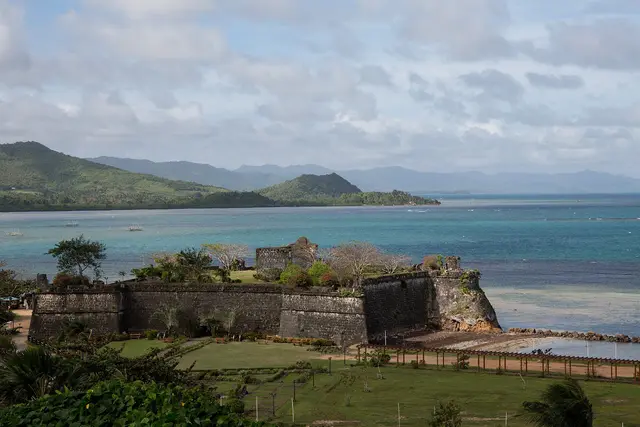
 Fort Santa Isabel: Palawan Travel Guide (4.4★)
Fort Santa Isabel sits on a small headland at the edge of Taytay town, on Palawan's northern coast, open daily 8:00 AM–4:30 PM. 4.4★ (456 reviews) — what visitors say, hours, and tips.
 attraction
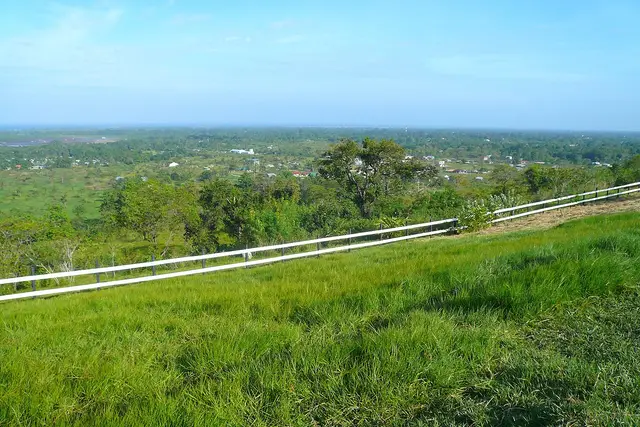
 Mitra's Ranch: Palawan Travel Guide (4.2★)
Mitra's Ranch is a hilltop viewpoint on Mitra Road just outside Puerto Princesa, open daily 5am–6pm, with sweeping views over the city and the sea, plus a zip line and picnic huts. 4.2★ (1,375 reviews) — what visitors say, hours, and tips.
 attraction
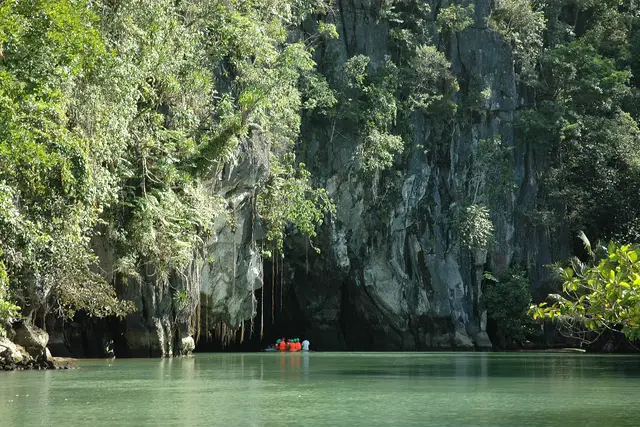
 Puerto Princesa Subterranean River National Park: Palawan Travel Guide
Book your Puerto Princesa Underground River tour through an accredited operator or the Puerto Princesa tourism office before you go — same-day permits are capped and often sell out.
Top-rated things to do in Palawan
Booking links are affiliate links — booking through them supports our free guides at no extra cost to you.
Where to stay in Palawan
Compare Palawan hotels and stays at the lowest price — deals, ratings, and real traveler reviews.
Search hotels in Palawan →Booking links are affiliate links — booking through them supports our free guides at no extra cost to you.
Plan your trip to Palawan
Philippines eSIM & staying connected →
Some links above are affiliate links — if you book through them, Wander Atlas earns a small commission at no extra cost to you. It's how we keep every guide free.
When to visit Philippines: month-by-month weather, crowds and holidays →
Frequently asked questions about Palawan
How do I get to Palawan?
Most travellers fly into Puerto Princesa International Airport (PPS), the province's main gateway, with regular domestic connections from Manila and Cebu. From there, onward hubs like El Nido or Coron are reached by van, bus, or ferry rather than rail, since Palawan has no train network.
How many days should I spend in Palawan?
Plan for at least ~5–7 days to combine Puerto Princesa's Underground River, the lagoons and beaches of El Nido, and time for onward travel, given the ~5-hour overland transfers between hubs.
What is Palawan known for?
Palawan is the Philippines' last ecological frontier, an elongated island province of limestone karst cliffs, hidden lagoons, and coral-fringed islets stretching between the South China Sea and the Sulu Sea. It's home to the UNESCO-listed Puerto Princesa Subterranean River and the wreck-diving waters of Coron, making it one of the country's most biodiverse and photographed destinations.