Mexico · Region
San Miguel de Allende
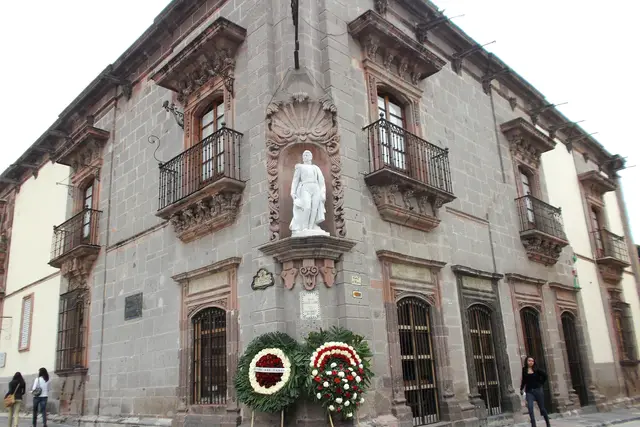
San Miguel de Allende is a UNESCO World Heritage city in Mexico's central highlands, famous for its pink Gothic parish church, cobblestone streets and a thriving expat and artist community. It draws visitors with its colonial architecture, galleries and food scene rather than any beach or coastline, making it one of the country's most popular inland cultural destinations.
Top-rated things to do in San Miguel de Allende
Booking links are affiliate links — booking through them supports our free guides at no extra cost to you.
Where to stay in San Miguel de Allende
Compare San Miguel de Allende hotels and stays at the lowest price — deals, ratings, and real traveler reviews.
Search hotels in San Miguel de Allende →Booking links are affiliate links — booking through them supports our free guides at no extra cost to you.
Plan your trip to San Miguel de Allende
Some links above are affiliate links — if you book through them, Wander Atlas earns a small commission at no extra cost to you. It's how we keep every guide free.
When to visit Mexico: month-by-month weather, crowds and holidays →
Frequently asked questions about San Miguel de Allende
How do I get to San Miguel de Allende?
San Miguel de Allende has no airport of its own: most travellers fly into Querétaro (QRO) or León/Guanajuato (BJX) and continue by road, or arrive via first-class bus from Mexico City's Terminal Norte, a journey of roughly 3 to 5 hours depending on traffic. Buses pull into the town's Central de Autobuses, a short taxi ride from the historic centre.
How many days should I spend in San Miguel de Allende?
Plan on ~2 to 3 days to cover the main sights, markets and viewpoints at an easy pace, with more time rewarding those who want to linger over galleries, day trips to nearby hot springs or the wider Bajío region.
What is San Miguel de Allende known for?
San Miguel de Allende is a UNESCO World Heritage city in Mexico's central highlands, famous for its pink Gothic parish church, cobblestone streets and a thriving expat and artist community. It draws visitors with its colonial architecture, galleries and food scene rather than any beach or coastline, making it one of the country's most popular inland cultural destinations.