
South Korea · Region
Seogwipo
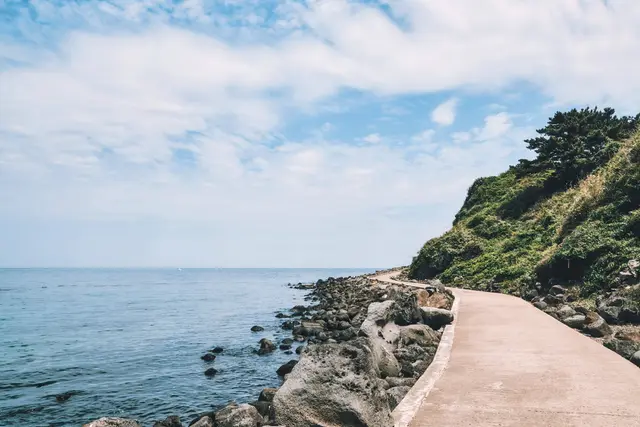
Photo: Jeju Olle Foundation / Wikimedia Commons (CC BY-SA 4.0)
Seogwipo stretches along Jeju Island's volcanic southern coast, where waterfalls drop straight into the sea and citrus orchards climb toward Hallasan in the distance. It trades the bustle of Jeju City for a slower, subtropical pace built around cliffside walks, tangerine farms and the UNESCO-listed coastline.
Top-rated things to do in Seogwipo
Booking links are affiliate links — booking through them supports our free guides at no extra cost to you.
Where to stay in Seogwipo
Compare Seogwipo hotels and stays at the lowest price — deals, ratings, and real traveler reviews.
Search hotels in Seogwipo →Booking links are affiliate links — booking through them supports our free guides at no extra cost to you.
Plan your trip to Seogwipo
South Korea eSIM & staying connected →
Some links above are affiliate links — if you book through them, Wander Atlas earns a small commission at no extra cost to you. It's how we keep every guide free.
When to visit South Korea: month-by-month weather, crowds and holidays →
Frequently asked questions about Seogwipo
How do I get to Seogwipo?
There is no airport or rail line in Seogwipo itself: travellers fly into Jeju International Airport (CJU) on the island's north side, then take a limousine or express bus (around ~1 to 1.5 hours depending on traffic and stops) or a taxi (~50 minutes) south across the island; buses from the regional hub are the most reliable public option.
How many days should I spend in Seogwipo?
Plan on 2 to 3 days to take in the waterfalls, coastal trails and nearby Jungmun resort area at an unhurried pace.
What is Seogwipo known for?
Seogwipo stretches along Jeju Island's volcanic southern coast, where waterfalls drop straight into the sea and citrus orchards climb toward Hallasan in the distance. It trades the bustle of Jeju City for a slower, subtropical pace built around cliffside walks, tangerine farms and the UNESCO-listed coastline.