
Vietnam · Region
Thanh Hoa
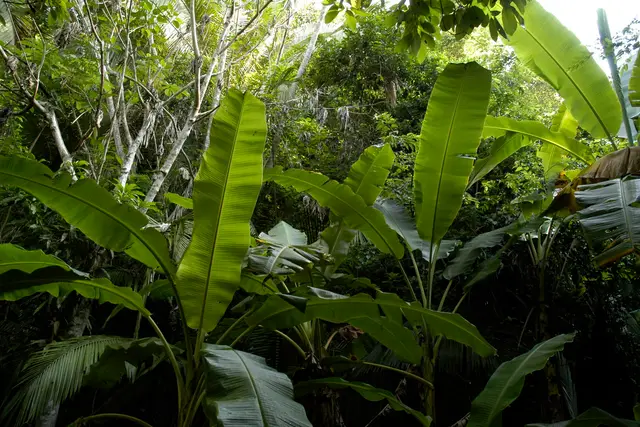
Photo: No machine-readable author provided. / Wikimedia Commons (Public domain)
Thanh Hoa is a sprawling north-central province where limestone mountains, rice-terrace valleys and a long sandy coastline meet centuries of royal history, from the UNESCO-listed Ho Dynasty Citadel to the forested trails of Pu Luong. It is as much a gateway to wild nature reserves and fishing villages as it is a province of its own distinct identity, drawing far fewer foreign visitors than neighbouring Ninh Binh despite comparable scenery.
Top-rated things to do in Thanh Hoa
Booking links are affiliate links — booking through them supports our free guides at no extra cost to you.
Where to stay in Thanh Hoa
Compare Thanh Hoa hotels and stays at the lowest price — deals, ratings, and real traveler reviews.
Search hotels in Thanh Hoa →Booking links are affiliate links — booking through them supports our free guides at no extra cost to you.
Plan your trip to Thanh Hoa
Vietnam eSIM & staying connected →
Some links above are affiliate links — if you book through them, Wander Atlas earns a small commission at no extra cost to you. It's how we keep every guide free.
When to visit Vietnam: month-by-month weather, crowds and holidays →
Frequently asked questions about Thanh Hoa
How do I get to Thanh Hoa?
Thanh Hoa city is served by Tho Xuan Airport (THD), located roughly 45km from the city centre, and by Thanh Hoa railway station, a major stop on the North-South Reunification Express line linking Hanoi, Ninh Binh, Hue, Da Nang and beyond. Most travellers arrive overland from Hanoi, around 150km to the north, by train or bus, with onward buses and taxis covering the final stretch to the coast or inland reserves.
How many days should I spend in Thanh Hoa?
Allow ~3 to 5 days to cover a mix of Sam Son or Hai Tien beach time, the Ho Dynasty Citadel, and a trek through Pu Luong's rice terraces, with extra days needed if combining Ben En National Park or more remote caves and villages.
What is Thanh Hoa known for?
Thanh Hoa is a sprawling north-central province where limestone mountains, rice-terrace valleys and a long sandy coastline meet centuries of royal history, from the UNESCO-listed Ho Dynasty Citadel to the forested trails of Pu Luong. It is as much a gateway to wild nature reserves and fishing villages as it is a province of its own distinct identity, drawing far fewer foreign visitors than neighbouring Ninh Binh despite comparable scenery.