Philippines · Region
Vigan
Photo: Ralff Nestor Nacor / Wikimedia Commons (CC BY-SA 4.0)
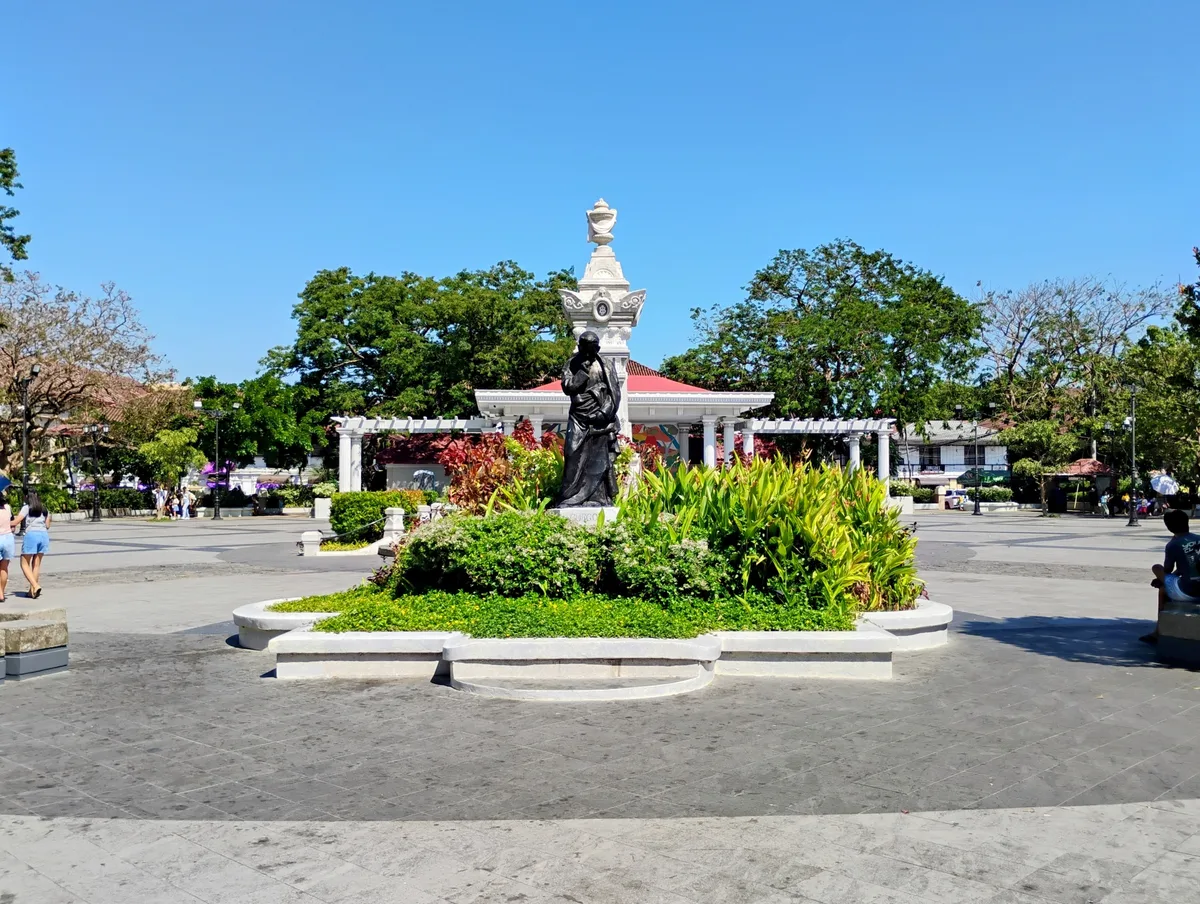
Vigan is a UNESCO World Heritage-listed colonial town on the northwest coast of Luzon, celebrated as the best-preserved example of a planned Spanish colonial settlement in Asia. Its cobblestoned Calle Crisologo, lined with 18th- and 19th-century ancestral houses, antique shops, and kalesa (horse-drawn carriage) rides, makes the historic core feel frozen in time.
Top-rated things to do in Vigan
Booking links are affiliate links — booking through them supports our free guides at no extra cost to you.
Where to stay in Vigan
Compare Vigan hotels and stays at the lowest price — deals, ratings, and real traveler reviews.
Search hotels in Vigan →Booking links are affiliate links — booking through them supports our free guides at no extra cost to you.
Plan your trip to Vigan
Philippines eSIM & staying connected →
Some links above are affiliate links — if you book through them, Wander Atlas earns a small commission at no extra cost to you. It's how we keep every guide free.
When to visit Philippines: month-by-month weather, crowds and holidays →
Frequently asked questions about Vigan
How do I get to Vigan?
The nearest airport is Laoag International Airport (LAO), roughly a 1.5–2 hour drive or bus ride north of Vigan; most travelers instead take a direct long-distance bus (operators such as Partas run from Manila's Cubao/Pasay terminals), a journey of roughly ~8-12 hours depending on route and traffic. There is no rail line serving Vigan, so bus or flight-plus-bus from the regional hub of Laoag remains the standard access route.
How many days should I spend in Vigan?
Plan on ~2 full days to comfortably explore Calle Crisologo, the plazas, museums, and a day trip to nearby sites like Bantay Bell Tower.
What is Vigan known for?
Vigan is a UNESCO World Heritage-listed colonial town on the northwest coast of Luzon, celebrated as the best-preserved example of a planned Spanish colonial settlement in Asia. Its cobblestoned Calle Crisologo, lined with 18th- and 19th-century ancestral houses, antique shops, and kalesa (horse-drawn carriage) rides, makes the historic core feel frozen in time.