Dosan Seowon: Andong Travel Guide (4.5★)
✓ Facts verified via Google Places · Sep 18, 2026
At a glance
Opening hours
- Monday: 9:00 AM – 6:00 PM
- Tuesday: 9:00 AM – 6:00 PM
- Wednesday: 9:00 AM – 6:00 PM
- Thursday: 9:00 AM – 6:00 PM
- Friday: 9:00 AM – 6:00 PM
- Saturday: 9:00 AM – 6:00 PM
- Sunday: 9:00 AM – 6:00 PM
How this guide is made
Produced with AI assistance and reviewed against live data sources. Facts such as hours, ratings, and location come from Google Places; images are licensed or public domain. Details can change — please verify before visiting. Editorial policy
Dosan Seowon is a Confucian academy founded in 1574, seven years after the death of the scholar Toegye Yi Hwang, on land where he had built a small study hall. His students and followers expanded it into a full seowon, one of the network of private academies that trained Joseon-era officials and preserved Neo-Confucian teaching. It stands on a wooded slope above a bend in the Nakdong River, roughly 40 minutes by car from downtown Andong.
What you’re actually walking through
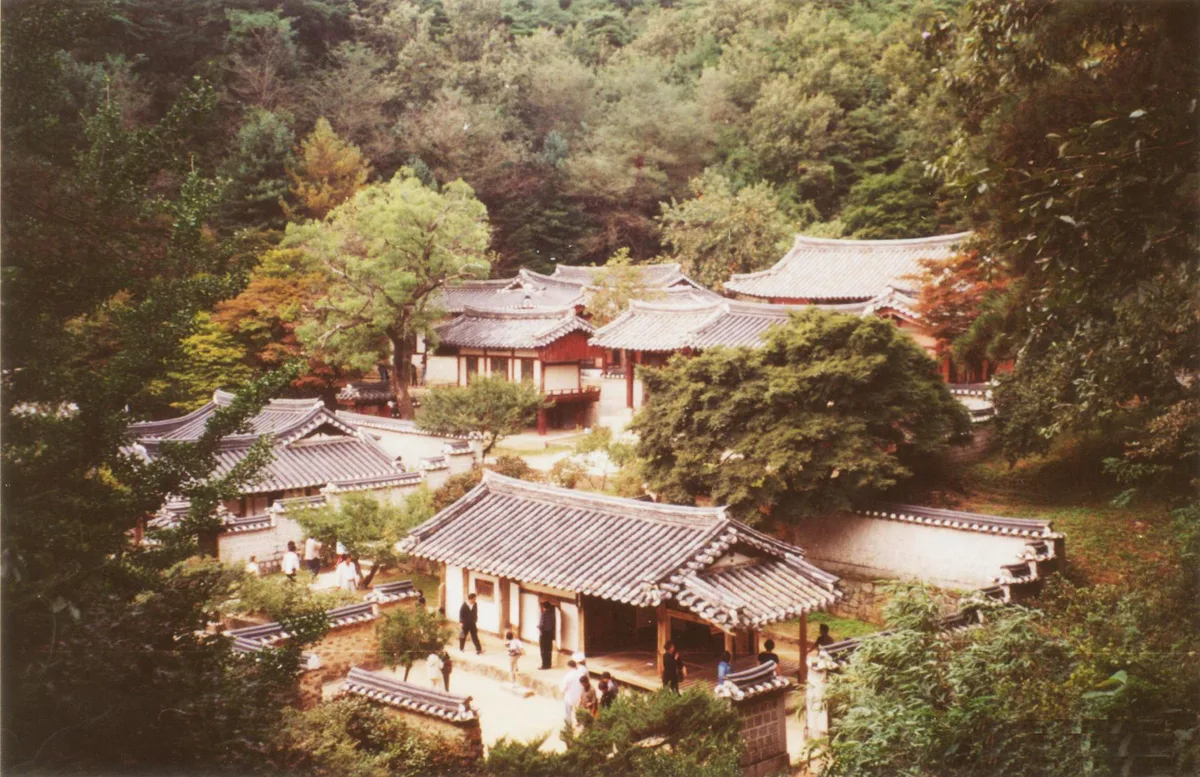
The complex splits into two zones stacked up the hillside. Lower down is Toegye’s original study area, Dosan Seodang, a plain wooden hall with a small pond and a modest gate, built to his own understated taste.
Above it, added after his death, sits the larger lecture hall and shrine compound where memorial rites are still held. The contrast is the point: one man’s simple study room, then the grand institution his students built around his memory.
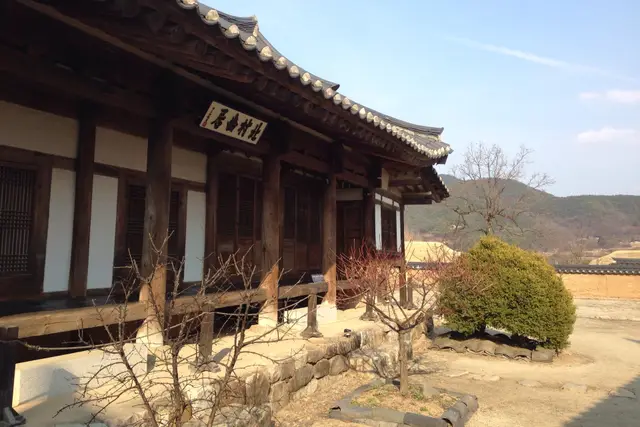
Walk the raised wooden floors in your socks where signs indicate, and notice how little ornament there is compared to a palace or a Buddhist temple. Seowon architecture is deliberately restrained.
The library that outlasted the fires
Look for Gwangmyeongsil, the elevated book depository near the entrance to the upper courtyard. It stored woodblocks and texts and was built off the ground specifically to protect them from damp and vermin.
Much of what’s known about Toegye’s teaching survives because these storage buildings did their job for four centuries. It’s a small structure, easy to miss if you’re moving fast, but worth pausing at.
Getting there and around
Public transit to Dosan Seowon is thin. Local buses run from Andong’s bus terminal toward Dosan-myeon a limited number of times a day, and the schedule isn’t built around tourists.
Most visitors drive or take a taxi from Andong city, which takes about 35-45 minutes depending on where you start. There’s a car park near the entrance with a short walk in past a cluster of pine trees to the ticket booth.
If you don’t have your own car, ask your accommodation in Andong about combining this with a taxi run to nearby Hahoe Folk Village, since both sit on the same side of the city and a driver will often do a return trip for a set fare.

Timing your visit around the Nakdong
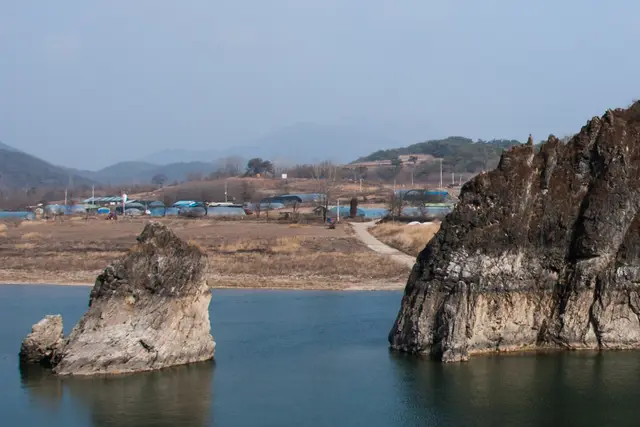
The seowon faces a wide stretch of the Nakdong River, and the river view is part of the original design, not an accident of geography. Toegye is said to have chosen the site partly for the outlook.
Below the main complex, a riverside path and a stand of old pine trees give you a place to sit and look back at the buildings from across the water, which is how a lot of the classic photographs of Dosan Seowon get taken.
Spring brings cherry blossoms along the approach road and early summer keeps the hillside green; autumn turns the maples around the upper courtyard orange, which is when the site gets busiest with domestic tour groups. Winter is quieter and starker, with the wooden halls unheated, so dress for it.
Sitting for the exam, four centuries later
Every March, Dosan Seowon hosts a reenactment of the gwageo, the Joseon civil service examination, with participants in period dress writing essays in the courtyard in front of judges. It draws crowds and local media and is worth timing a visit around if you’re in the region that week.
Outside of that event the courtyards are used for occasional Confucian memorial rites, so if you see white-robed figures and ritual tables set up, you’ve stumbled on a ceremony rather than a performance for tourists. Stand back and watch quietly rather than walking through the ritual space.
Reading the site without a guide
There’s some English signage at key buildings but it’s sparse, and a lot of the meaning here is architectural rather than written down. A few things to look for on your own:
- The gate heights and door thresholds get lower as you move into more senior areas of the academy, a physical cue about hierarchy and humility.
- Pine and bamboo planted near study halls are a standard Confucian symbolic pairing for integrity and resilience; you’ll see the same combination at other seowon around Korea.
- The name boards over the main halls carry the calligraphy of the building’s purpose; even without translation, their placement tells you which structure mattered most.
If you want the historical detail rather than just the visual, it’s worth reading up on Toegye Yi Hwang before you go, since the site assumes some of that background rather than supplying it on-site.
Practical notes before you go
Dosan Seowon is open daily from 9am to 6pm, with no listed weekly closure, but Korean historical sites sometimes shorten hours in winter, so confirm before making the drive if you’re visiting between December and February. Admission is inexpensive by international standards; bring small cash in case card payment isn’t set up at the ticket booth.
Wear shoes you can slip off easily for the wooden hall interiors, and skip sandals if you’re visiting after rain, since the stone paths between buildings can get slick under the pines. There’s little shade in the main courtyard at midday in summer, so a hat helps.
This is a well-known stop on the Andong circuit rather than an undiscovered one, and tour buses do come through, concentrated around midday and heavier in autumn foliage season. An early morning visit, soon after the 9am opening, gets you the empty courtyards and the quiet that the site was actually built for.
Frequently asked questions
How do I get to Dosan Seowon from Andong without a car?
Local buses run from Andong's bus terminal to Dosan-myeon a few times a day, but schedules are limited. A taxi (about 35-45 minutes) is the more reliable option, and drivers will often quote a return fare if you combine it with Hahoe Folk Village.
How much time should I budget for a visit?
Plan on 1.5 to 2 hours to see both the lower study hall and upper lecture/shrine compound, plus the riverside path below the complex.
What's the best time of day and year to visit?
Arrive soon after the 9am opening on a weekday to beat tour groups, especially in autumn when maple foliage draws the largest crowds. Spring cherry blossoms and summer green are also good, but winter is quietest and starkest.
Is Dosan Seowon good to combine with other Andong sights?
Yes. It's often paired with Hahoe Folk Village on the same day since both lie outside central Andong and a single taxi or driver can cover both.
Are there any special events worth timing a visit around?
Every March the site hosts a reenactment of the Joseon-era gwageo civil service exam, with participants in period dress writing in the courtyard. It's a lively contrast to the site's usual quiet.
Plan your trip to Andong
Some links above are affiliate links — if you book through them, Wander Atlas earns a small commission at no extra cost to you. It's how we keep every guide free.