Why go
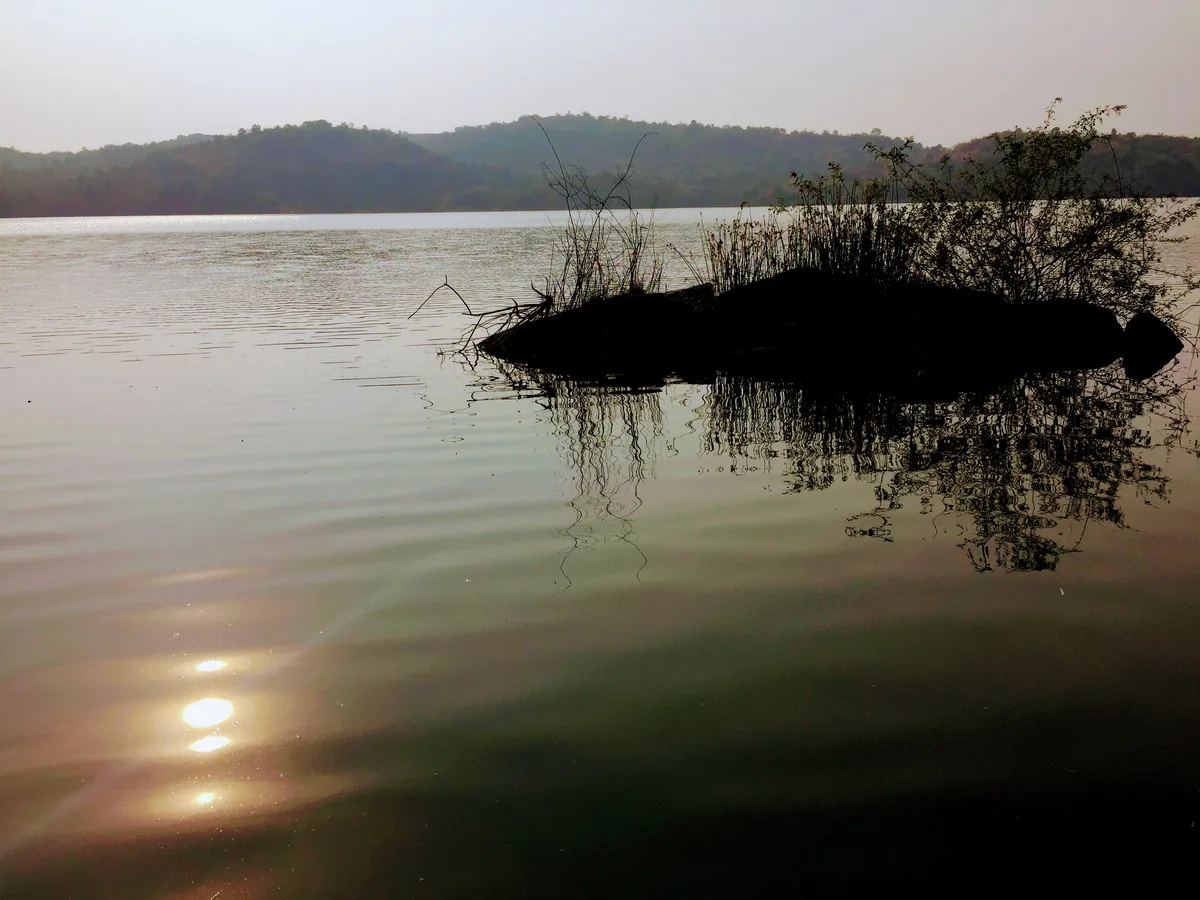
You come here for the view the city doesn’t have: still water stretching between low, forested hills, with egrets picking along the shoreline and not a mall in sight. Manchanabele Dam holds back the Arkavathy River, and the reservoir it creates has become one of Bengaluru’s default weekend escapes for anyone who wants water and hills without a multi-day trip.
It isn’t dramatic in the way a big hydroelectric dam is. It’s modest, low-key, almost accidental-feeling, which is exactly its appeal.
Getting there
The dam sits off SH 85 near Manchanabele village, roughly 40km from central Bengaluru, past Kumbalgodu and Magadi Road. Expect around 1 to 1.5 hours by car depending on traffic on the Bengaluru–Magadi stretch.
There’s no direct bus or train to the dam itself, so this is a drive-it-yourself or cab trip. Many visitors combine it with Savandurga hills or Manchinbele village stays, since the roads overlap.
- By car: fastest and most flexible, roughly 1–1.5 hours from the city
- By bike: a popular weekend ride for Bengaluru’s motorcycle groups
- By cab/rideshare: workable but confirm the driver knows the Manchanabele turn-off, not just “the dam”
What to see and do
The main draw is simply standing on the dam wall or the rocks nearby and taking in the reservoir framed by the Savandurga and surrounding hill ranges. Bring binoculars if birdwatching interests you, the backwaters attract herons, kingfishers, and seasonal migratory species when water levels are right.
- Watch the sunset from the dam’s edge or the rocky outcrops above the water
- Spot waterbirds along the shallower backwater stretches
- Walk or sit for a picnic on the grassy patches near the parking area
- Combine with a Savandurga hill climb if you want more of a workout
Water levels swing a lot with the monsoon. Come just after the rains and the reservoir is full and dramatic; visit deep into summer and you may find a much reduced, muddier waterline.
When to go
The dam is open 24 hours, every day, with no formal entry gate, so timing is entirely up to you and daylight. Early morning, roughly 6:30 to 9am, gives you soft light, active birdlife, and far fewer people around.
Late afternoon into sunset, around 5 to 6:30pm, is the other sweet spot, especially October through February when the air is cooler and skies are clearer. Avoid the peak of summer midday heat, when the surrounding rock and scrub offer little shade.
Weekends bring a noticeably bigger crowd of picnickers and bike groups, particularly by late morning. If you want the place closer to empty, a weekday visit is worth the extra planning.
How to visit like a local
Locals and regular Bengaluru daytrippers treat this as a half-day loop, not a full outing on its own. Leave the city by 6 or 6:30am to catch the quiet morning light and beat both the heat and the weekend traffic on Magadi Road.
There’s no ticket counter and no fixed hours, so nobody is checking you in, that also means no lifeguards, no railings in places, and no facilities to speak of. Carry your own water, snacks, and any trash bags, since there’s little to no waste infrastructure on site.
Cash isn’t really needed here unless you stop at a roadside stall en route for tea or snacks, pay small vendors in cash, as card and UPI machines are unreliable this far out. The most common mistake visitors make is treating the rocks near the water as safe for swimming or wading; currents and slippery algae-covered stone have caused accidents here, so admire the reservoir from solid ground rather than getting in.
Since this is a well-known spot rather than a quiet secret, expect other visitors, especially bikers and photography groups, on any clear-weather weekend. Plan your peaceful moment for the early morning window instead of expecting solitude.
Frequently asked questions
How do I get to Manchanabele Dam from Bengaluru?
Drive via Magadi Road and Kumbalgodu to SH 85, roughly 40km and 1–1.5 hours from central Bengaluru. There's no direct public transport, so a car, cab, or bike is the practical option.
Is there an entry fee or fixed timing?
No formal ticket or gate — the site is open 24 hours daily. That also means no lifeguards or facilities, so visit during daylight and bring your own water and snacks.
When is the best time to visit for views or birdwatching?
Early morning (around 6:30–9am) or late afternoon toward sunset (5–6:30pm) offer the best light and active birdlife. October to February brings cooler, clearer weather overall.
How much time should I plan for the visit?
Most people spend 2–3 hours at the dam itself, but budget a half day total once you include the drive from Bengaluru.
Is swimming allowed at the dam?
It's not advisable — slippery rocks and currents near the reservoir have led to accidents. Enjoy the view from solid ground rather than entering the water.
Plan your trip to Bengaluru
Some links above are affiliate links — if you book through them, Wander Atlas earns a small commission at no extra cost to you. It's how we keep every guide free.
Related guides
 attraction
 Bengaluru Fort: Travel Guide (4.0★)
 attraction
 Lalbagh Botanical Garden: Bengaluru Travel Guide (4.4★)
 attraction
 Visvesvaraya Industrial & Technological Museum: Bengaluru Travel Guide
 attraction