Four months on a salt flat
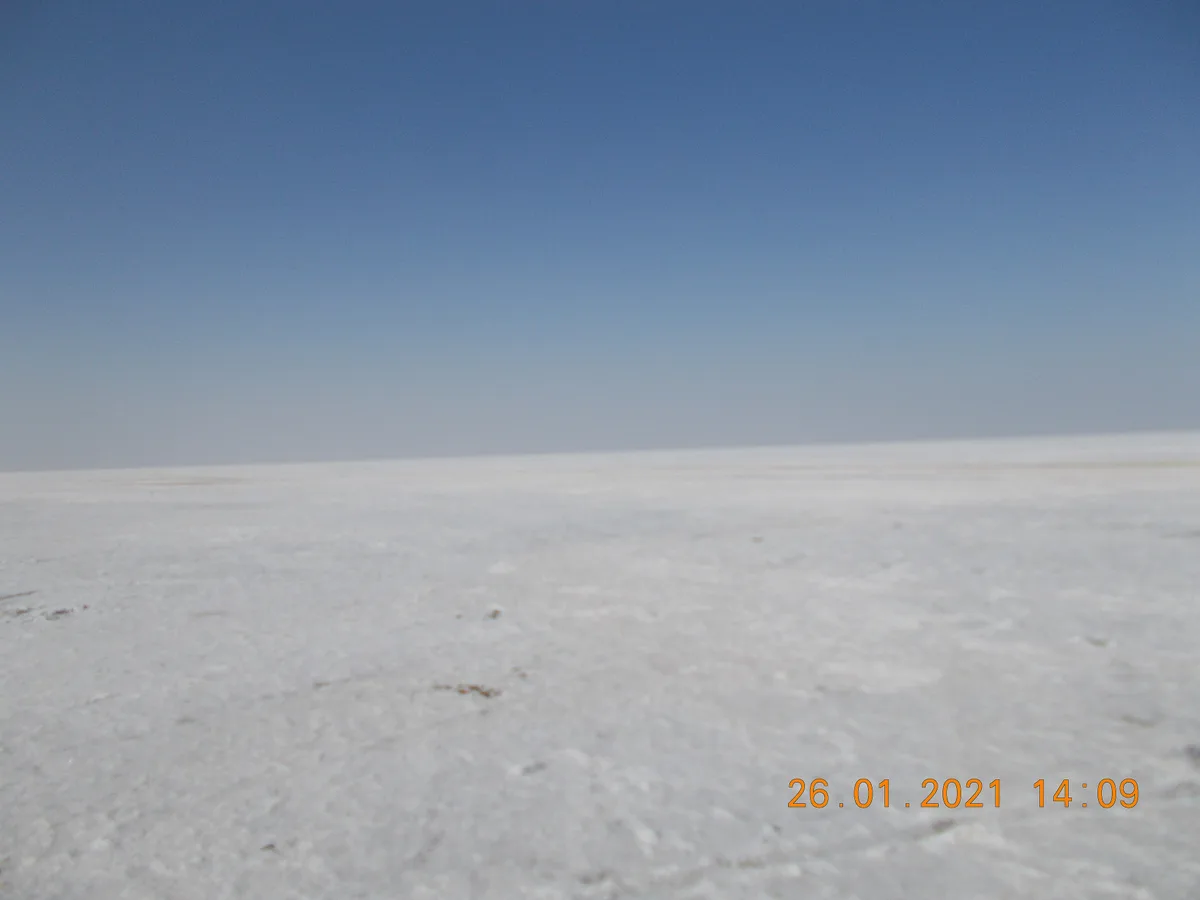
The 2026-27 Rann Utsav runs from November 1, 2026 to March 7, 2027. It is held on the edge of the Great Rann of Kutch, a seasonal salt marsh that dries into a white crust after the monsoon. The festival tent city sits at Dhordo village, north of Bhuj, the district town where most travellers land.
The programme is folk music, dance, Kutchi crafts and desert activities. Typical offerings include camel cart rides out onto the salt, craft stalls and evening cultural stages. The two full-moon windows, November 22–25 and December 21–24, 2026, are the festival’s busiest stretches. On those nights the moon lights the salt bright enough to walk on without a torch.
Bhuj to Dhordo
Bhuj is the gateway. It has a domestic airport and a railway station with long-distance trains from Ahmedabad and Mumbai. From town, the road runs north through flat scrubland for roughly two hours to Dhordo.
- By road: most visitors hire a taxi in Bhuj or ride a tent-package shuttle.
- Permit: entry to the White Rann needs a permit, issued at the Bhirandiyara checkpoint on the Bhuj–Dhordo road and online.
- Last stretch: a watchtower and walkway lead from the Dhordo parking area onto the open salt.
Gujarat Tourism runs the festival, and tent packages and dates appear on its official Rann Utsav site.

How the White Rann works on the ground
The tent city is a grid of furnished tents beside the salt, built around a central stage and dining area. Many visitors stay one or two nights there. Others base themselves in Bhuj or in village homestays at Hodka and Dhordo, where guests sleep in bhungas, round mud-plastered huts with conical thatched roofs.
The ritual that matters is timing on the salt. Crowds walk out for sunset, drift back for dinner, then return after moonrise on full-moon dates. Desert nights in December and January get cold, so people bring layers even when afternoons feel warm. Bargaining is normal at village craft stalls. Fixed-price counters inside the tent city work differently.
Bhirandiyara is the roadside stop for mawa, a milk sweet that buses and taxis pull over for. Cash is still useful in villages where card machines are scarce.
Beyond the festival grounds
Kutch rewards a few extra days. Kala Dungar, the highest point in the district, looks north across the entire Rann and is a common sunset alternative to Dhordo. Craft villages line the route:
- Nirona: rogan painting, a castor-oil-based textile art, plus bell-making workshops.
- Hodka and Ludiya: embroidery and painted mud-walled homes.
- Bhujodi: handloom weaving, just outside Bhuj.
In Bhuj itself, the Aina Mahal and Prag Mahal palaces sit beside Hamirsar Lake in the old town. Visitors typically give the festival two nights and the wider region two or three more.
Frequently asked questions
When is Rann Utsav 2026-27?
It runs from November 1, 2026 to March 7, 2027. The full-moon periods of November 22–25 and December 21–24, 2026 are the peak visiting windows.
Where is Rann Utsav held?
The tent city is at Dhordo village on the edge of the White Rann of Kutch, about two hours' drive north of Bhuj in Gujarat.
How do you get from Bhuj to the White Rann?
Most visitors take a hired taxi or a tent-package shuttle from Bhuj. A permit for the White Rann is issued at the Bhirandiyara checkpoint on the route and online.
Where are tent packages and festival details published?
Gujarat Tourism publishes Rann Utsav dates, tent packages and current rates on its official Rann Utsav website.
How long do people usually spend at Rann Utsav?
One to two nights at the tent city is typical. Many travellers add two or three days for Kala Dungar, the craft villages of Nirona, Hodka and Bhujodi, and Bhuj's palaces.
Plan your trip to Bhuj
India eSIM & staying connected →
Some links above are affiliate links — if you book through them, Wander Atlas earns a small commission at no extra cost to you. It's how we keep every guide free.
Related guides
 Ended
Diljit Dosanjh - RuPay Aura India Tour 2026 (Ahmedabad): Dates, Tickets & Venue (Ahmedabad)
 event
Bengaluru Midnight Marathon: Dates, Tickets & Venue (Bengaluru)
 event
Bengaluru Open ATP 125: Dates, Tickets & Venue (Bengaluru)
 Ended