Miroir d'eau: Bordeaux Travel Guide
✓ Facts verified via Google Places · Aug 29, 2026
At a glance
How this guide is made
Produced with AI assistance and reviewed against live data sources. Facts such as hours, ratings, and location come from Google Places; images are licensed or public domain. Details can change — please verify before visiting. Editorial policy
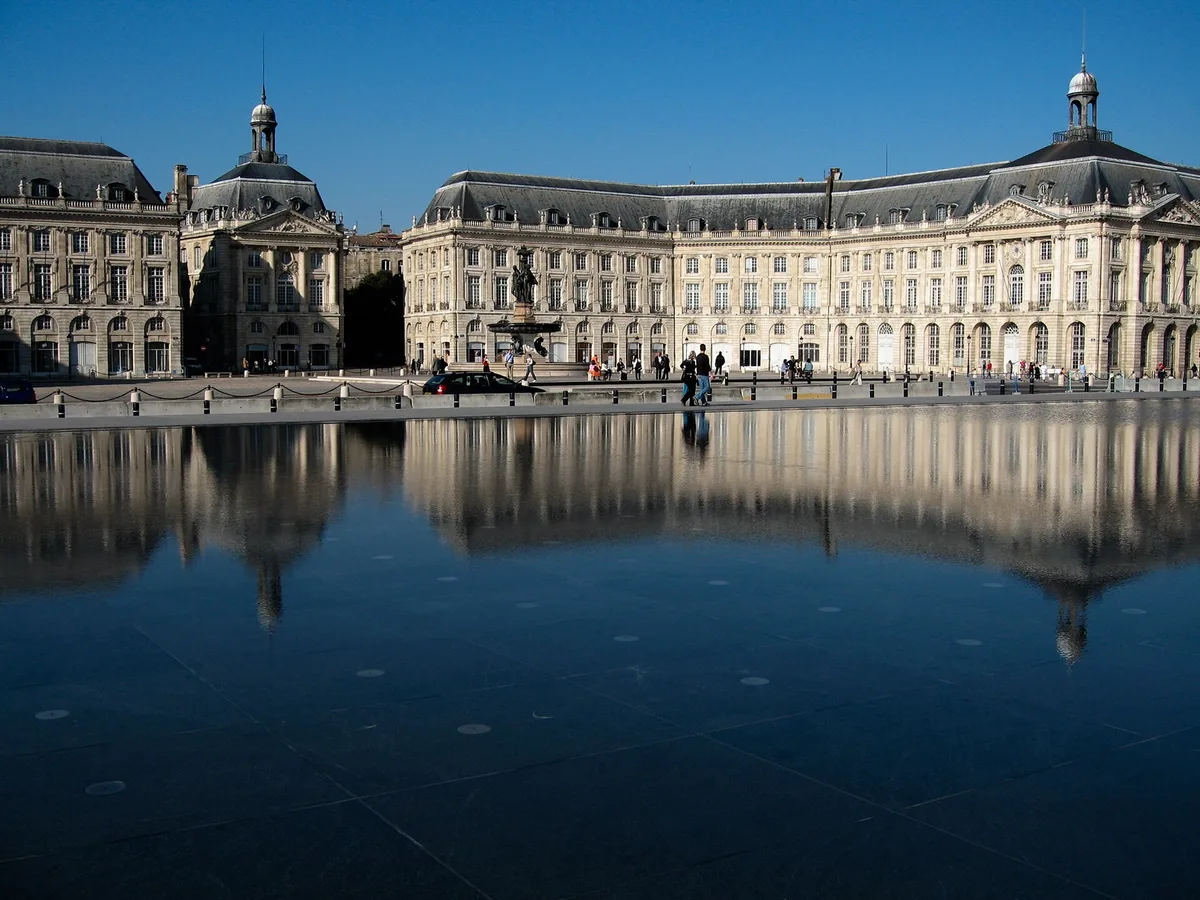
You smell the river before you see the pool, a faint mineral dampness carried off the Garonne, mixing with waffle batter and coffee from the cafés lining the quay. Then you round the corner from Rue Fernand Philippart and the Place de la Bourse opens up in front of you: honey-colored stone, curved colonnades, and at its feet, a thin sheet of water stretched across 3,450 square meters of black granite, doubling the whole scene like a photograph folded in half.
This is the Miroir d’eau, the “water mirror,” and it’s genuinely one of the largest reflecting pools anywhere in the world.
It was built in 2006, part of the broader remaking of Bordeaux’s riverfront that pedestrianized the quays and reconnected the city with the water it had turned its back on for decades. The idea is simple but engineered with real precision: a film of water just a centimeter or two deep settles over the granite, sensors cycle it on a rhythm, and every seven minutes or so it disappears into a fine fog that rolls out across the square before the water reappears, glassy and still, mirroring the Bourse’s dome and pilasters.
What you’ll actually see
On a clear day the reflection is close to perfect, the sky, the stone façade, and whoever happens to be standing in the water at the time, silhouetted against their own doubled image. On a still evening, after the day-trippers have moved on, the surface goes molten gold with the sunset. Then the mist cycle kicks in: jets release a fog that curls at ankle height, swallows people’s legs, and drifts toward the river before the pool refills.
It’s the kind of thing that photographs well because it genuinely looks different every few minutes, glass, then cloud, then glass again.

Getting there
The Miroir d’eau sits on Place de la Bourse, directly on the Quai Richelieu in central Bordeaux, facing the Garonne. The closest tram stop is Place de la Bourse itself, on Line B (walk out and you’re basically standing in it. From the Bordeaux Saint-Jean train station, it’s about a 15–20 minute tram ride on Line C toward the city center, then a short walk along the riverbank. It’s flat, stroller-friendly, and impossible to miss once you’re on the quay) just follow the water.
When to go
Because it’s outdoors and free, there’s no ticket and no closing gate, but the character of a visit changes enormously with the hour. Midday, especially in summer, it’s crowded with families cooling off, tour groups, and kids splashing barefoot, lively, but you’ll be sharing every reflection with fifty other people. Early morning, before the tour buses arrive, and the hour around sunset are when the pool is calmest and the light does the most work, turning the Bourse’s stone facade amber and doubling it cleanly on the water.
Winter mornings, with low fog off the river, are quieter still and have their own stark, minimal beauty even without the summer crowds wading in.
Beyond the pool itself
The Place de la Bourse behind you is worth lingering over on its own, a set-piece of 18th-century French classical architecture, commissioned to give Bordeaux’s merchant elite a grand civic face onto the river. Walk the Quai Richelieu in either direction and you hit the Bordeaux wine bars and bistro terraces that cluster near the quay, or continue toward the Pont de Pierre for a longer river view.
The Cité du Vin and the Jardin Public are both a further tram ride away if you want to build a fuller half-day around this stretch of the river.
How to visit like a local
Because this is one of Bordeaux’s most visited spots, don’t expect solitude. The smarter move is timing, not secrecy. Go right after the shops open or in the last hour of daylight, when tour groups have thinned and the light is better anyway. Nobody pays to enter and there’s no queue system, so just walk in; if you’re wading, flip-flops or bare feet work fine and locals genuinely do walk through it barefoot with kids in tow, so you won’t stand out doing the same.
Keep phones and cameras clear of the misting jets, they release without much warning. Sit on the stone edge rather than blocking the open water if you want to watch the mist cycle rather than be in it, and resist the urge to linger right at midday in July, when the granite radiates heat and the crowd is at its densest.
Frequently asked questions
Is the Miroir d'eau free to visit?
Yes — it's an open public square with no entry fee or gate; you can walk up and step in any time.
What's the best time of day to see it?
Early morning or the hour around sunset, when crowds are thinner and the light gives the clearest reflection of the Place de la Bourse; midday in summer is the busiest and hottest time.
How do I get there by public transport?
Take Tram Line B to the Place de la Bourse stop, which lets out right at the pool, or Tram Line C from Bordeaux Saint-Jean station plus a short riverside walk.
How long should I plan to spend there?
Most visitors spend 20–40 minutes watching a couple of mist cycles and taking photos, longer if you combine it with a walk along the Quai Richelieu.
What's nearby worth combining with a visit?
The Place de la Bourse's 18th-century architecture right behind the pool, riverside cafés along the Quai Richelieu, and — a tram ride away — the Cité du Vin museum and the Jardin Public.
Plan your trip to Bordeaux
Some links above are affiliate links — if you book through them, Wander Atlas earns a small commission at no extra cost to you. It's how we keep every guide free.
Related guides
 hidden gem
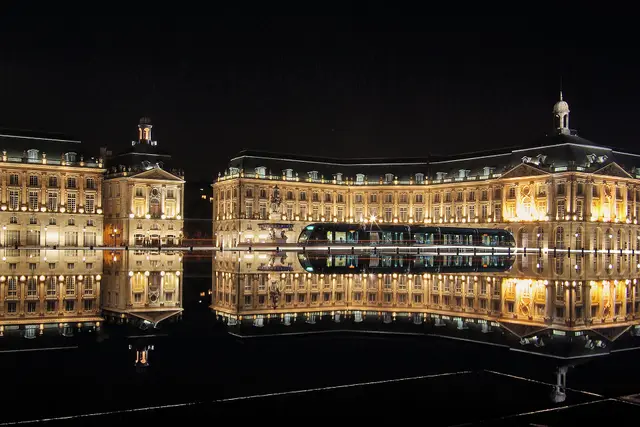
 Place de la Bourse: Bordeaux Travel Guide (4.7★)
 hidden gem
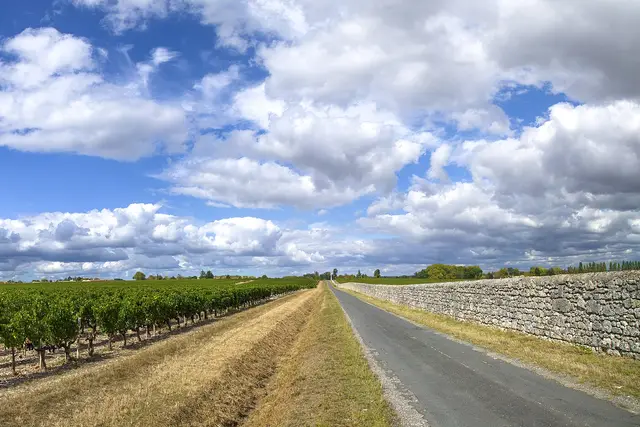
 Bordeaux Wine Trails - Wine tours: Travel Guide
 attraction
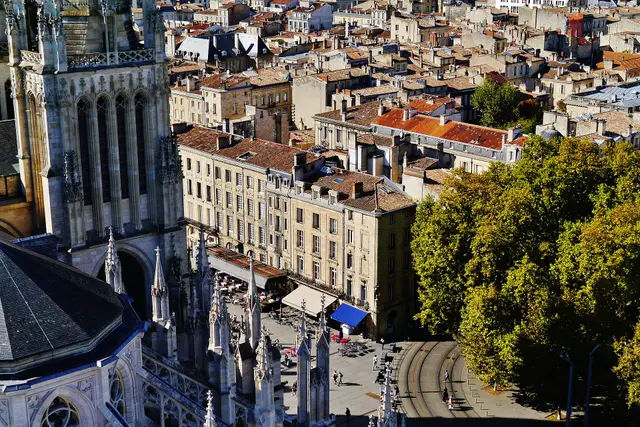
 Tour Pey Berland: Bordeaux Travel Guide
 hidden gem