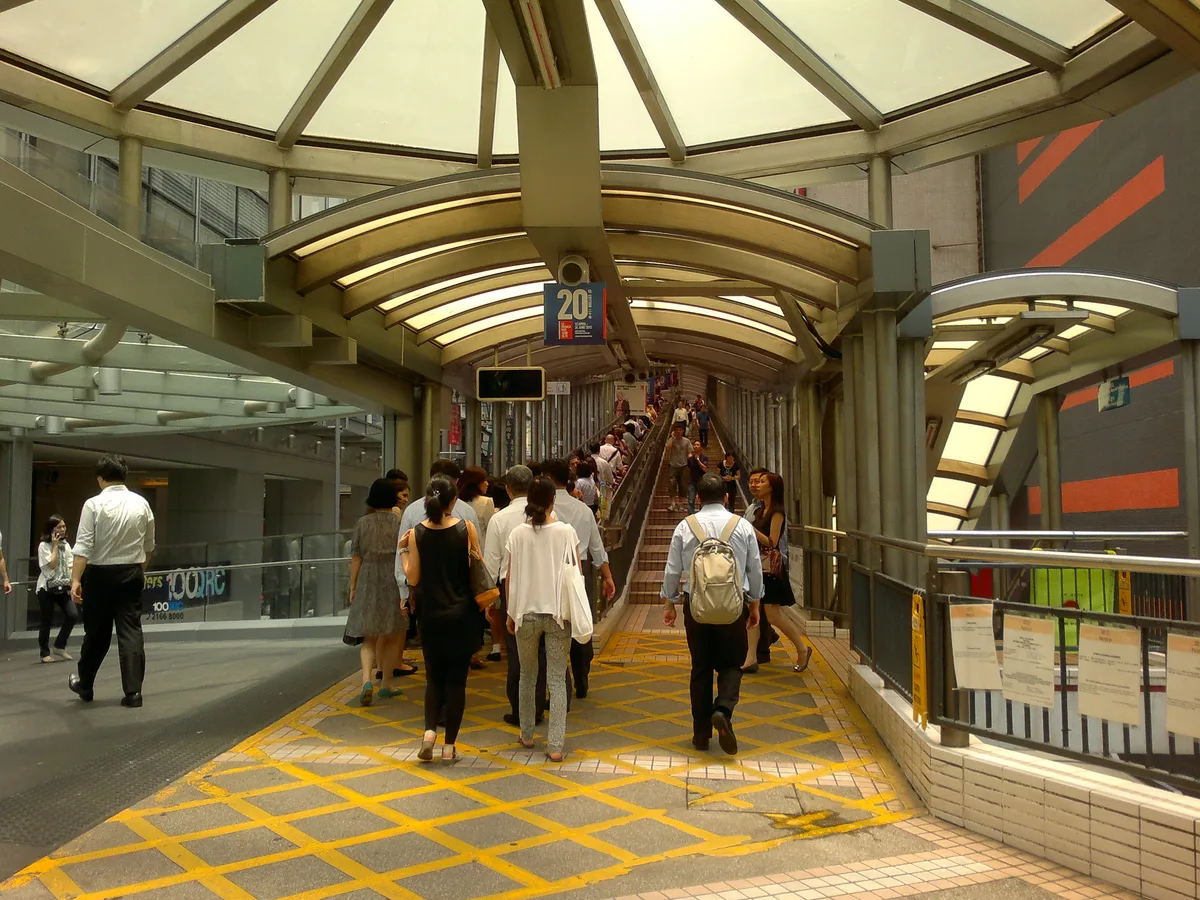
Why go
This isn’t a sightseeing ride bolted on for tourists. It’s daily infrastructure, built in 1993 to move office workers up a hillside too steep for comfortable walking.
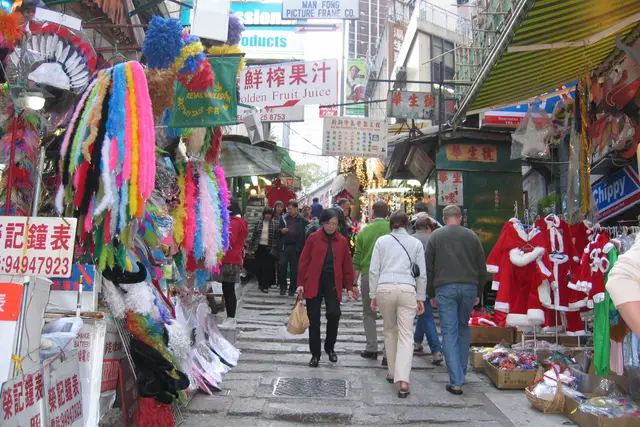
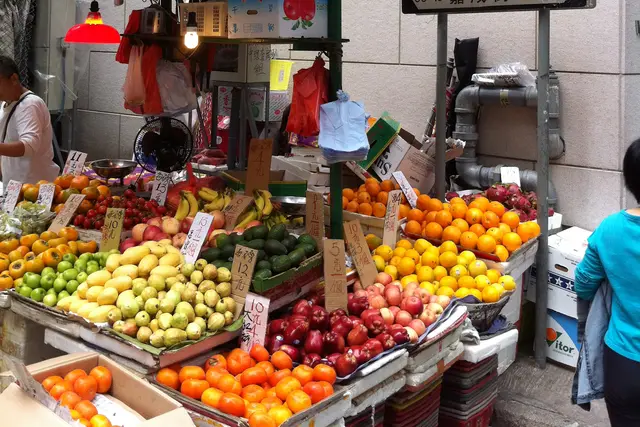
You step on at street level and the city tilts. Below, Central’s glass towers and wet-market stalls; above, the leafy switchbacks of the Mid-Levels apartment blocks.
It’s touristy now, no question, but it’s still commuters in suits checking phones beside you, which is exactly what makes it worth riding.
Getting there
Start at the Central end, near Jubilee Street and the Central Market building. The nearest MTR stop is Central Station, exits leading toward Queen’s Road Central and Des Voeux Road.
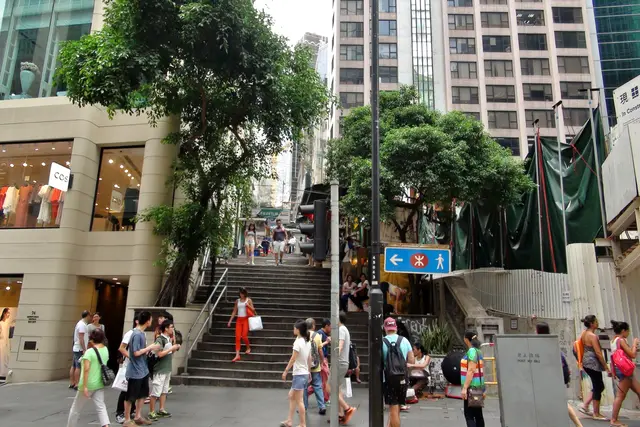
From there you walk a short block uphill to the first escalator entrance. The system threads through Soho and Wing Wah Lane before finishing near Conduit Road in the Mid-Levels.
Signage is minimal, just follow the covered walkway and let the moving stairs pull you upward.
What you’ll pass
The ride is really a moving cross-section of Hong Kong Island’s social layers, and it’s worth pausing at a few points rather than riding straight through.
- Central Market, restored Art Deco building at the base, worth a wander before or after
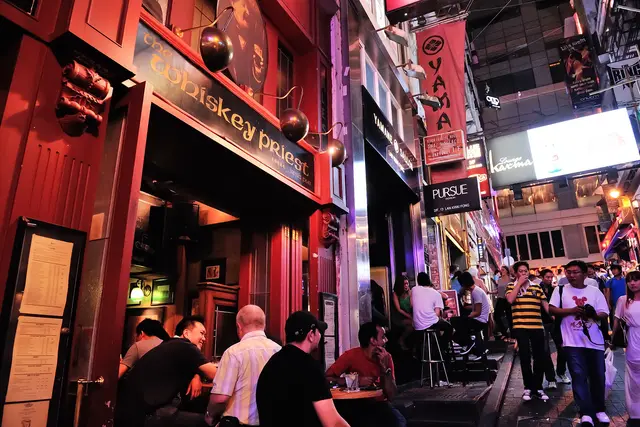
- Lan Kwai Fong and Soho, bars, restaurants and street art crossing Hollywood Road
- Man Mo Temple, a short detour off Hollywood Road, incense coils hanging from the ceiling
- Mid-Levels residential blocks, the quieter, leafier top section where the crowds thin out
Each escalator section is short, so you can hop off at any landing to explore before rejoining.

When to go
The escalators run 6am to midnight daily, but direction changes through the day, running downhill in the morning for the commute into Central before switching to uphill for the rest of the day and evening.
Weekends between 10am and 8pm are the busiest stretch, with visitors bunching up at photo spots and entrances. Outside that window and the weekday 11am to 3pm peak, both weekdays and weekends stay noticeably calmer.
If you want the system closer to empty, ride early morning or after dinner, when the neon signs above Wing Wah Lane are lit but the crowds have thinned.
How to visit like a local
Locals don’t “visit” the escalators, they use them to get to work, and that’s the mindset to borrow. Stand to the right if you’re not walking, let people pass on the left, same etiquette as any escalator in the city.
There’s no fare and no ticket gate; you simply step on. Because it’s a working commuter route, avoid blocking entrances for photos during the morning downhill commute before 10am.
The biggest visitor mistake is riding it once, top to bottom, and calling it done. Locals treat it as a spine connecting neighbourhoods, get off at Hollywood Road for the antique shops, or at Elgin Street for a coffee, then rejoin further up.
Evenings after dark are underrated: Soho’s restaurant lights spill onto the walkway and the escalators feel more like a night market crossing than a transit system.
Good to know before you go
Bring a light layer even in summer, the covered sections funnel air-conditioning breeze from nearby buildings, and it can feel cooler than the street.
The full ride takes about 20 minutes without stops, but budget an hour or two if you want to explore Soho, Man Mo Temple, or Central Market along the way. Wheelchair and stroller users can ride comfortably, as it’s designed for daily foot and vehicle-free commuter traffic rather than tourist buses.
Frequently asked questions
How much does it cost to ride the escalators?
It's free. There's no ticket or gate — you simply step on at any landing along the route.
What direction do the escalators run?
Downhill from about 6–10am for the morning commute, then uphill from roughly 10:20am until midnight.
When is the quietest time to visit?
Weekdays are calmest from around 7am to 8am and 9pm to 11pm, weekends from 7am to 9am and 10pm to 11pm; avoid weekends between 10am and 8pm, when crowds peak at entrances and photo spots.
How long does the full ride take?
About 20 minutes end to end without stopping, but plan an hour or two if you want to explore Soho, Man Mo Temple, or Central Market along the way.
What's nearby worth stopping for?
Central Market at the base, Lan Kwai Fong and Soho's bar streets midway, and Man Mo Temple a short walk off Hollywood Road.
Plan your trip to Central
Hong Kong eSIM & staying connected →
Some links above are affiliate links — if you book through them, Wander Atlas earns a small commission at no extra cost to you. It's how we keep every guide free.