Three nights of jazz in the highlands
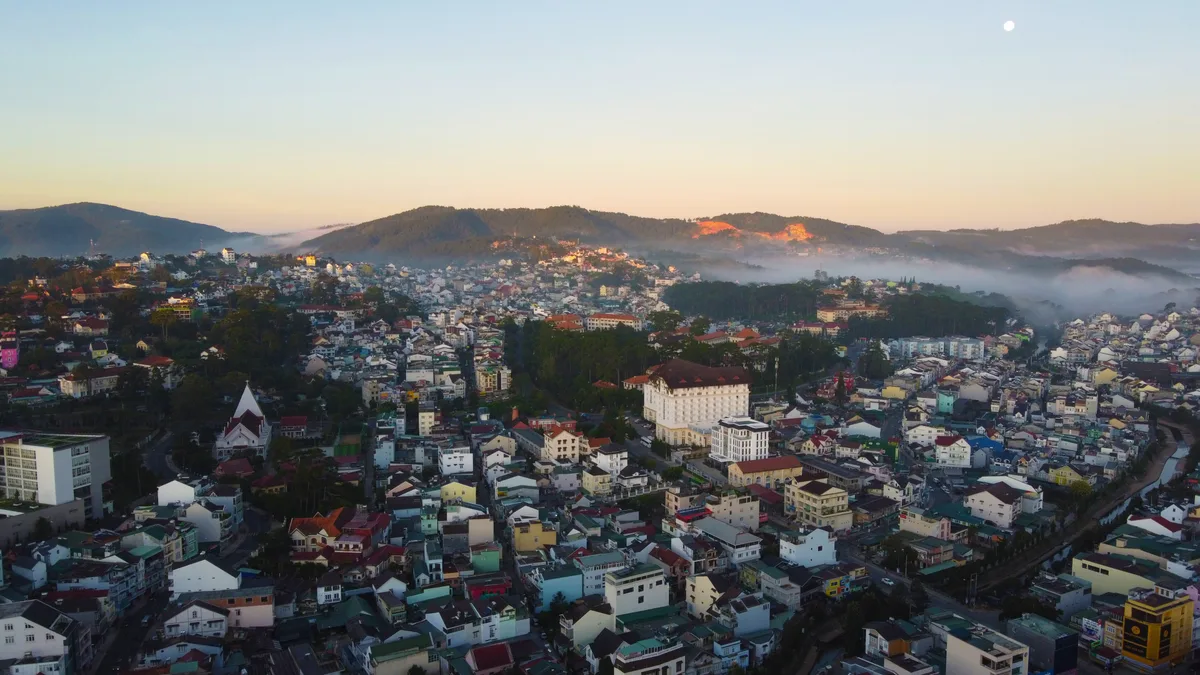
Da Lat sits about 1,500 metres up in Vietnam’s Central Highlands. After dark it is cold enough that people wear jackets and wool hats. The Vietnam Jazz Heritage Festival 2026 brings jazz and bossa nova to that cool air from Friday November 6 to Sunday November 8, 2026.
The festival spans one weekend. That makes it a natural reason for a three or four night trip to a town that was built to slow people down. The French developed Da Lat as a hill station in the early twentieth century. The pine slopes, villas and lake from that era still set the backdrop.
Who is on the bill
The 2026 lineup mixes international artists with Vietnamese performers. The names in the announcement are:
- Lisa Ono (Japan): born in São Paulo and raised between Brazil and Japan, she is one of Asia’s best-known bossa nova voices, with a career going back to the late 1980s.
- DaDaDa (South Korea)
- JKC (South Korea)
- Vietnamese performers alongside the visiting acts
Lisa Ono’s soft, nylon-string sound suits a town where people go out at night to sit and listen. For many visitors from Japan and Korea, the regional names are the draw. For Vietnamese audiences, the visiting acts are a rare chance to hear these artists without leaving the country.
Venue, dates and where tickets live
This edition runs from November 6 to 8, 2026, in Da Lat. The organiser publishes the venue, the night-by-night schedule and ticket links on its official festival site and social channels. Those are the places that list set times and entry rules.
This guide names no specific stage. That is deliberate: the announced facts give the city and the dates, not a site. Everything in central Da Lat sits close together, though. Most hotels near Xuan Huong Lake are a short Grab ride from anywhere in town.
Jacket weather and wild sunflower season
Early November is a good time to be in Da Lat. The rainy season is ending, the days are usually mild and the nights turn properly cold. An outdoor set after 9pm feels very different here than it would in Ho Chi Minh City.
It is also when the wild sunflowers bloom, the dã quỳ. They cover the roadsides and hills around town in yellow from late October into December. Persimmons hang drying on racks in farm villages around the same time. Attendees often spend the festival mornings on day trips to see both.
Festival-goers usually dress in layers: a light top for the afternoon and a fleece or down jacket for the evening. Locals wrap up at night as if it were winter, and visitors from the tropical south quickly do the same.
Getting up the mountain
Da Lat is served by Lien Khuong International Airport, about 30 km south of town. The drive from the airport into the centre takes roughly 40 minutes, by shuttle bus, taxi or Grab. Flights from Hanoi and Ho Chi Minh City are short and frequent.
From Ho Chi Minh City, many travellers take sleeper buses instead. The ride runs about six to eight hours up winding passes. Overnight buses leave late and arrive at first light, which saves a hotel night. A festival weekend draws travellers from across the country, so rooms and seats fill faster than on an ordinary November weekend.
Out on the town between sets
Da Lat’s night life happens on foot around the centre:
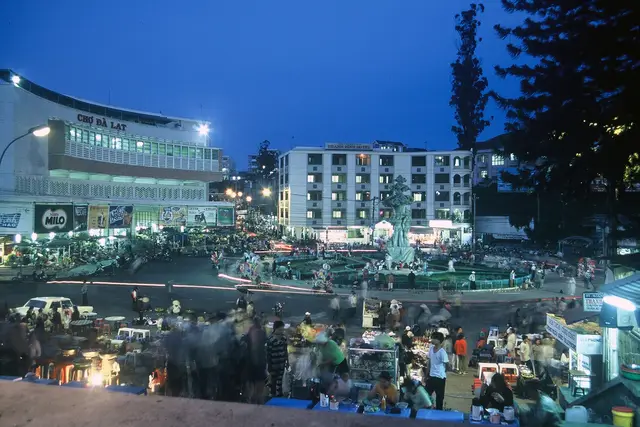
- Da Lat Market (Chợ Đà Lạt) and the street-food stalls along the steps and Nguyen Thi Minh Khai street, busy every evening with grilled rice paper (bánh tráng nướng), soy milk and hot snacks
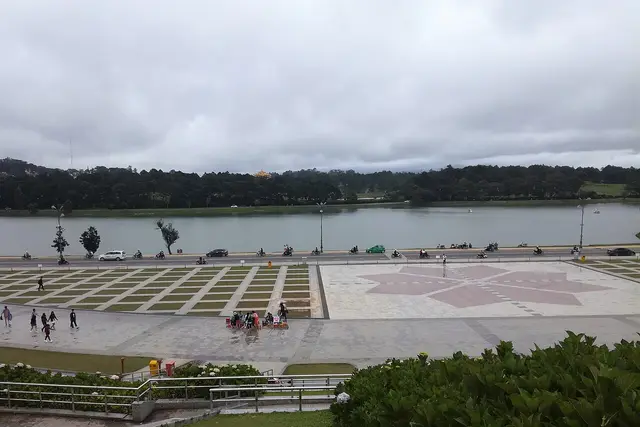
- Xuan Huong Lake, the crescent-shaped lake at the centre of town, with a footpath right around it
- Lam Vien Square, on the lake shore, known for its giant glass artichoke and wild sunflower bud structures
- Da Lat Railway Station, a 1930s Art Deco building with three peaked roofs, a short ride east of the lake
The town also has a long tradition of small acoustic music cafés, where people sit over coffee and listen to live singers. Festival weekend fits that habit, and the jazz crowd often keeps going in those rooms after the main sets end.
Paying, riding and listening the Da Lat way
Small payments in Da Lat run on Vietnamese dong in cash or on bank-transfer QR codes. Market stalls and street vendors usually display a QR code next to the grill. International cards work in hotels and larger cafés, less so at a night-market cart.
Tipping is not expected. Rounding up for a driver or a good waiter is appreciated but never required. Grab is the usual way to get around after dark, either as a car or a motorbike. Motorbike rides between hills are quick, but the wind chill is real at night.
Jazz audiences in Vietnam tend to listen quietly during ballads and applaud solos, much as they do elsewhere. Vietnamese fans often film the opening song and then put their phones away. Hats come off for photos and go straight back on: it is that kind of cold.
A few phrases help at the market: cảm ơn (thank you) and bao nhiêu? (how much?). Prices at food stalls are usually written on a small board.
Frequently asked questions
When is the Vietnam Jazz Heritage Festival 2026?
It runs from Friday November 6 to Sunday November 8, 2026, in Da Lat, Vietnam.
Who performs at the 2026 festival?
The announced lineup includes Japan's bossa nova singer Lisa Ono, the South Korean acts DaDaDa and JKC, and Vietnamese performers. The organiser's official site carries the full night-by-night schedule.
Where is the festival held and where are tickets sold?
The festival is held in Da Lat. The organiser publishes the exact venue and the ticket links on its official festival site and social channels.
How do I get to Da Lat for the festival?
Fly into Lien Khuong International Airport, about 30 km south of the city. The drive into central Da Lat takes around 40 minutes. Sleeper buses from Ho Chi Minh City take roughly six to eight hours.
What is the weather like in Da Lat in early November?
Days are usually mild and nights are cold at around 1,500 metres. Attendees typically wear a warm jacket for evening sets. It is also wild sunflower season, when the roadsides around town turn yellow.
Plan your trip to Da Lat
Vietnam eSIM & staying connected →
Some links above are affiliate links — if you book through them, Wander Atlas earns a small commission at no extra cost to you. It's how we keep every guide free.