Vietnam · Region
Da Lat
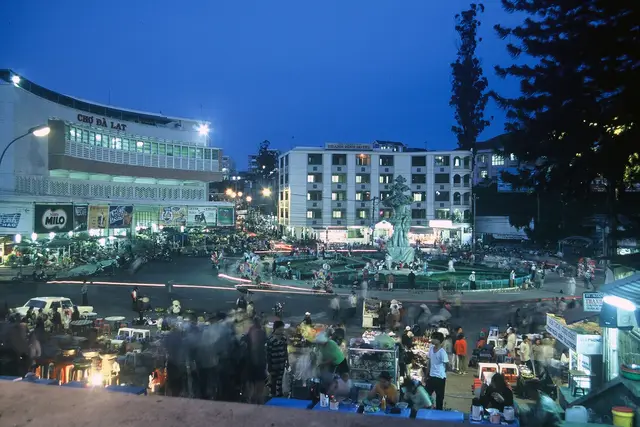
Perched at over 1,500 metres in Vietnam's Central Highlands, Da Lat is a former French hill station known for its cool climate, pine forests and flower farms, a striking contrast to the tropical lowlands most visitors leave behind. Colonial-era villas, a scenic crater lake and a famous vintage railway give the city an atmosphere unlike anywhere else in the country.
Top-rated things to do in Da Lat
Live prices from Klook. Booking through these links supports our free guides at no extra cost to you.
Where to stay in Da Lat
Compare Da Lat hotels and stays at the lowest price — deals, ratings, and real traveler reviews.
Search hotels in Da Lat →Booking links are affiliate links — booking through them supports our free guides at no extra cost to you.
Plan your trip to Da Lat
Some links above are affiliate links — if you book through them, Wander Atlas earns a small commission at no extra cost to you. It's how we keep every guide free.
When to visit Vietnam: month-by-month weather, crowds and holidays →
Frequently asked questions about Da Lat
How do I get to Da Lat?
Most travellers fly into Lien Khuong Airport (DLI), which sits <cite index="1-2">about 30 kilometres south of Dalat City</cite>, then continue to the centre by shuttle bus, taxi or hotel transfer, a trip of roughly <cite index="8-9">40 to 50 minutes depending on the route and vehicle</cite>. There is no regular passenger rail into Da Lat itself: the surviving <cite index="10-3">7 km (4.3 mi) section of track leading to the nearby village of Trai Mat</cite> is a heritage tourist ride only, so overland arrivals typically come by long-distance bus from Ho Chi Minh City or other regional hubs.
How many days should I spend in Da Lat?
Plan on ~2 to 4 days, enough to cover the lake, market and old railway station in the city itself plus a half-day trip into the surrounding pine hills and flower farms.
What is Da Lat known for?
Perched at over 1,500 metres in Vietnam's Central Highlands, Da Lat is a former French hill station known for its cool climate, pine forests and flower farms, a striking contrast to the tropical lowlands most visitors leave behind. Colonial-era villas, a scenic crater lake and a famous vintage railway give the city an atmosphere unlike anywhere else in the country.