A steel dragon over the Han
This is six lanes of traffic under a yellow steel spine. The dragon’s body rises and falls in arches along the 666-metre span, and its head sits at the eastern end, facing the sea. Dragon Bridge opened on 29 March 2013, the anniversary of Da Nang’s liberation in 1975. It quickly became the city’s best-known landmark.
After dark, thousands of LEDs run along the body and change colour through the night. It gets heavy traffic from both visitors and commuters, so don’t expect it to yourself. Plan around the crowds instead.
When the dragon breathes
The show happens on weekend nights. On Saturday and Sunday evenings the head shoots out bursts of fire, then sprays water over the road below. The show has long been held at 9pm, but it can be cancelled on some holidays or in bad weather, so confirm locally that day.
The weekend busiest hours are 6pm to 11pm, which covers the whole show window. If you come for the fire, arrive well before it starts. On weeknights the lights run without the show, and the pavements are much easier to walk.

Where to stand, and getting soaked
Where you stand changes what you get. Your main options:
- East bank, beside the head (An Hai side): closest to the fire. Also the zone that gets drenched by the water blast.
- On the bridge’s pedestrian walkways: close-up views of the arches, with traffic passing right beside you.
- West bank riverfront on Bach Dang Street: a side-on view of the full length, and you stay dry.
- A Han River boat: cruises leave from the Bach Dang riverfront. Timing one for show night puts you on the water underneath it.
Nearby, you have three good options for before or after:
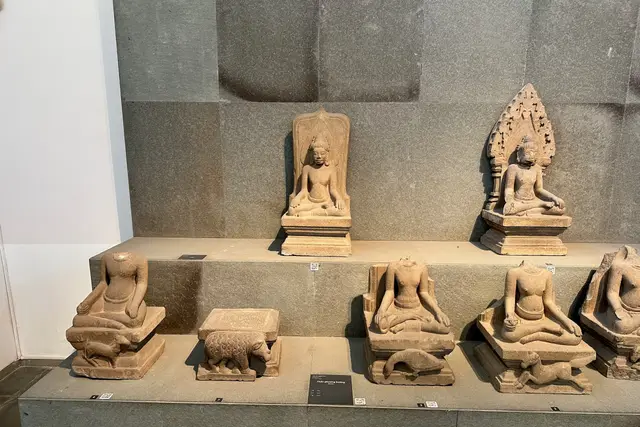
- The Museum of Cham Sculpture is at the western end of the bridge.
- The Carp Transforming into Dragon statue and the Love Lock Bridge are a short walk north along the east bank.
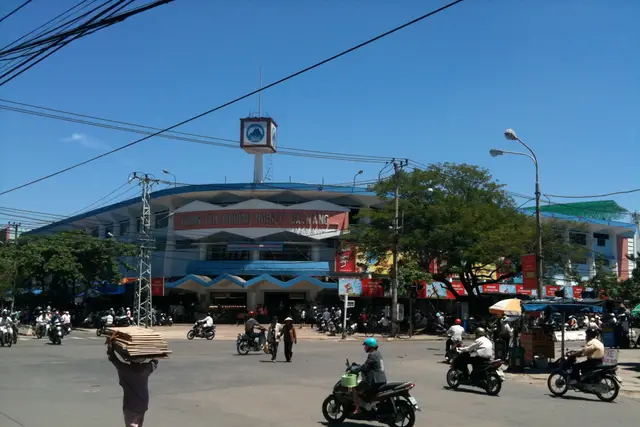
- Han Market is up the west bank on Bach Dang.
- My Khe Beach is roughly two kilometres straight east of the head along Nguyen Van Linh.
Show-night tactics
Locals treat the show as a quick stop. Many ride up by motorbike, watch from the kerb and leave as soon as the water ends. That’s the easiest way to do it:
- Book a Grab ahead or walk. Pickups near the head are chaotic right after the show, so walk a few blocks off the bridge before hailing.
- Protect your phone. If you stand near the head, the water carries further than you’d expect. A zip bag or a quick retreat saves your camera.
- Hold your spot. The kerb space near the head fills well before the show. Once you’re there, stay put.
- Watch the traffic. The walkways sit right beside moving motorbikes. Don’t step into the road for a better angle.
- Come back on a weeknight to walk the full span and look at the dragon’s scales without being in a crowd.
The bridge is open to walkers around the clock. A crossing takes about fifteen minutes, or half an hour if you stop for photos.
Frequently asked questions
When does Dragon Bridge breathe fire?
On Saturday and Sunday nights. The show has long been held at 9pm, first fire and then water from the head at the eastern end. It can be cancelled on some holidays, so check locally that day.
When is the busiest time to visit Dragon Bridge?
Weekends from 6pm to 11pm are the busiest hours. If you only want to see the lit-up bridge rather than the show, a weeknight is less crowded.
Where is the best spot to watch the fire show?
The east bank beside the dragon's head in An Hai is closest, but you will get soaked by the water spray. The west bank riverfront on Bach Dang Street gives a dry view of the whole bridge, and a river cruise puts you underneath it.
Can you walk across Dragon Bridge?
Yes. It is open 24 hours with walkways beside the traffic lanes. The 666-metre crossing takes about fifteen minutes on foot.
What is near Dragon Bridge?
The Museum of Cham Sculpture is at the western end. The Carp Transforming into Dragon statue and the Love Lock Bridge are on the east bank just north. Han Market is up Bach Dang Street, and My Khe Beach is about two kilometres east.
Plan your trip to Da Nang
Some links above are affiliate links — if you book through them, Wander Atlas earns a small commission at no extra cost to you. It's how we keep every guide free.