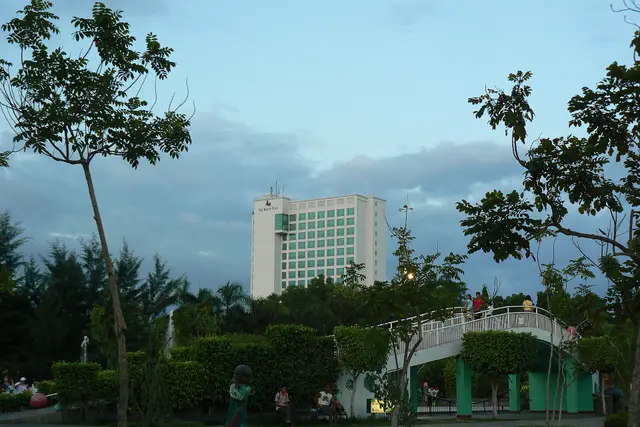
Palma Gil Street is a working street. Jeepneys, tricycles and office workers pass along it, and People’s Park’s sculptures and shade trees are a few minutes’ walk away. The National Museum of the Philippines Davao sits among all this, the state museum’s branch for this corner of Mindanao. Most visitors to Davao never step inside.
That’s the appeal. It has a strong reputation with the people who do find it, and it is still under the radar enough that on a weekday morning you may have a gallery to yourself.
What you’re walking into
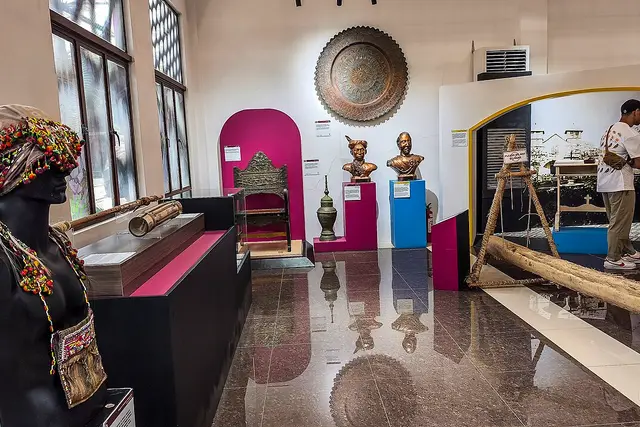
This is a regional branch of the National Museum, so expect a compact museum, not a sprawling one. The National Museum’s regional sites usually tell the story of their own area. In Davao that means Mindanao: its land, its sea, and the many Indigenous communities whose homelands surround the city.
Exhibits change, so treat the museum as a way into the region, not a fixed checklist. Read the wall text slowly. In a museum this size, the labels hold most of what you came for.
Plan on one to two hours. That’s enough to see everything without rushing and still have the afternoon for the rest of Poblacion.
Timing your visit
The hours are simple at the moment. Google currently lists 9am–5pm, seven days a week, Monday included. Museum hours change through the year and around holidays, though. Check the National Museum’s official site or its social pages for this month’s schedule before you go.
BestTime’s forecast, based on typical visit patterns, gives a clear picture:
- Weekdays: quietest from 9am–10am, so arrive at opening.
- Weekends: don’t arrive between 10am and 3pm, when it is usually busiest.
- Weekend alternative: 4pm–5pm is usually calm. That is the final hour, so ask at the desk about last entry.
Davao’s midday heat is another reason to go early. You walk in fresh and come out before the streets are at their hottest.

Getting to Palma Gil Street
Davao City has no metro, so you’ll arrive by road. Grab and metered taxis are the easiest option, and most drivers know the area around People’s Park. Give that as a landmark if the museum’s name draws a blank.
From Francisco Bangoy International Airport, the drive into Poblacion takes roughly 30–45 minutes, depending on traffic. If you’re staying downtown, the museum is often within walking distance. Jeepneys run through the district too, but their routes take some local knowledge for a first-timer.
Inside the galleries: the house rules
Philippine national museums run things a certain way. Knowing it in advance makes the visit smoother.
- Sign in at the entrance. Visitors usually register with a name and where they’re from. It takes a minute.
- Admission: the National Museum has long had a free-admission policy. Confirm at the entrance, where any current rules are posted.
- Bags: large bags and backpacks may have to go to a baggage counter. Travel light.
- Photos: casual photography is usually allowed, but flash usually isn’t. Follow the signs in each room.
- Guards and guides: staff are posted in the galleries and are usually happy to explain an object if you ask. A polite “po” at the end of a Tagalog phrase goes down well, but English is fine.
Speak quietly in the galleries. School groups visit regularly, and a calm room is part of what makes this place good.
Building a Poblacion walk around it
The museum works best as one stop on a downtown loop. Pair it with places nearby:
- People’s Park: shaded paths and large sculptures of Mindanao’s Indigenous peoples. It makes a good follow-up to the galleries.
- San Pedro Cathedral: the city’s oldest parish, on San Pedro Street. Its modern, boat-like façade is unlike anything else downtown.
- Davao City Hall and Rizal Park: across from the cathedral, the civic centre of the old town.
A good route is the museum at 9am, People’s Park before it gets hot, then the cathedral and City Hall. Lunch in Poblacion rounds it off. The whole circuit is easy on foot.
Who will get the most from it
Come here if you want context for the rest of your trip. Before you head to the highlands, the islands across the gulf or the markets, the galleries help you understand who lives in this region.
It also suits travellers who find big-city museums exhausting. Here you can read every label, stand in front of one object for as long as you like, and be back out on Palma Gil Street before lunch.
Frequently asked questions
When is the quietest time to visit the National Museum in Davao?
On weekdays it is usually quietest from 9am–10am, right at opening. On weekends, 4pm–5pm is typically calmest. Try not to arrive between 10am and 3pm on Saturdays and Sundays, which is usually the busiest stretch.
What are the opening hours?
Google currently lists 9am–5pm every day, Monday included. Museum hours can change with the season and on holidays, so check the National Museum's official site or social pages before you go.
How do I get there?
It's on Palma Gil Street in Poblacion District, near People's Park. Take a Grab or a metered taxi; from Francisco Bangoy International Airport it takes roughly 30–45 minutes depending on traffic. If you're staying downtown, you can often walk.
How long should I spend there?
One to two hours covers the galleries comfortably. Add an hour or two to walk on to People's Park, San Pedro Cathedral and Davao City Hall.
Can I take photos and bring a bag inside?
Casual photography is usually allowed, but flash usually isn't, so follow the signs in each gallery. You may have to leave large bags and backpacks at the baggage counter, so travel light.
Plan your trip to Davao
Philippines eSIM & staying connected →
Some links above are affiliate links — if you book through them, Wander Atlas earns a small commission at no extra cost to you. It's how we keep every guide free.