Ten days of photographs by the lagoons
El Gouna Photo Week is a photography exhibition and festival. It runs from December 3 to 12, 2026, in a town where the setting is half the reason to come.
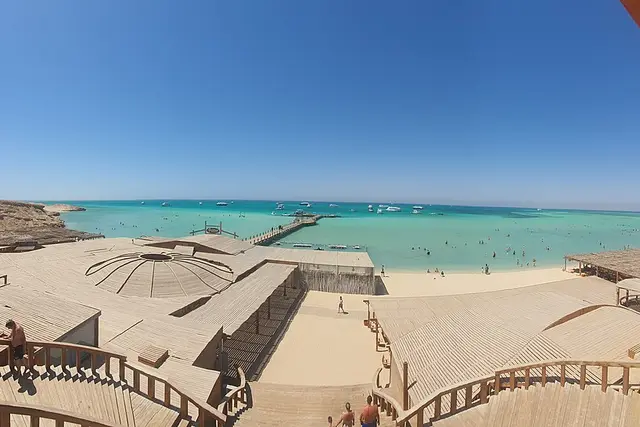
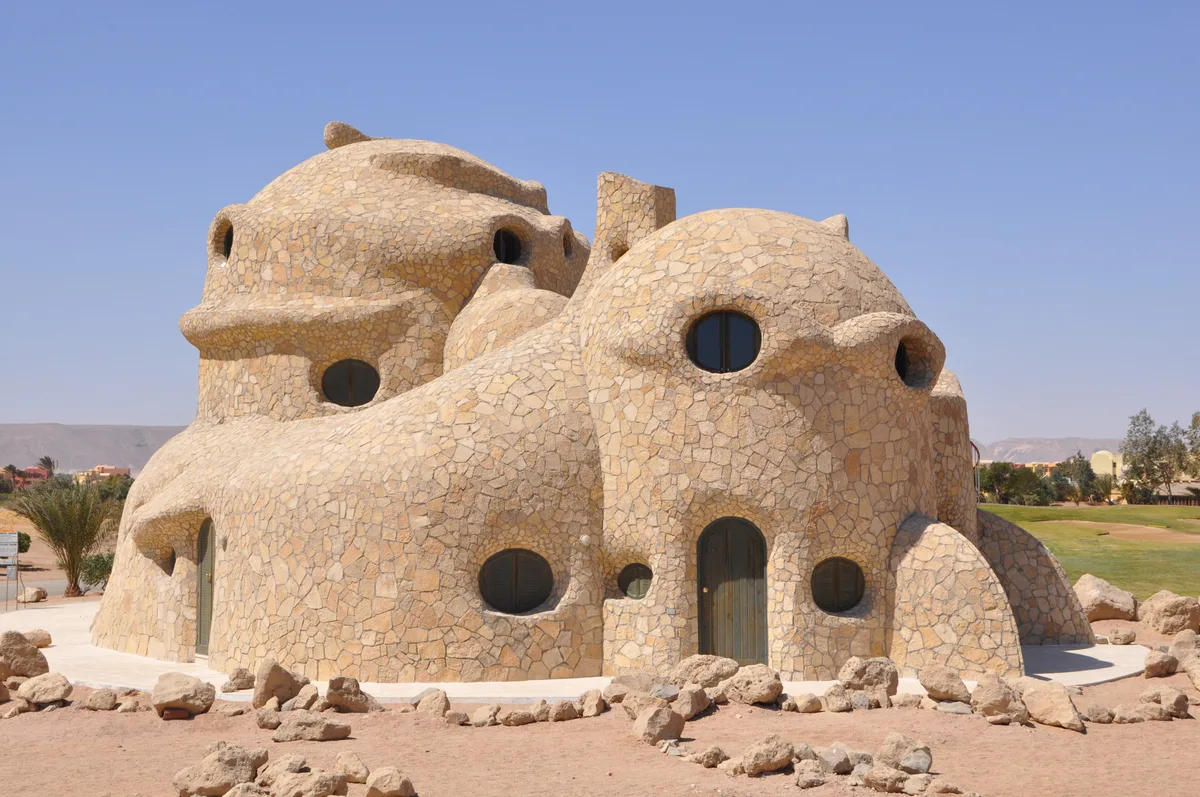
El Gouna sits on Egypt’s Red Sea coast. It is a planned resort built from the late 1980s on a chain of lagoons and small islands joined by low bridges. The buildings are low and sand-coloured, with domes, arches and plastered walls, and the water is visible from almost every street. For a festival about images, that is a lot of material to work with between exhibitions.
Where it happens in El Gouna
The festival takes place in El Gouna itself. The facts we were given include no specific exhibition address or ticketing platform, so this guide doesn’t name any. Those details sit with the festival organiser.
What we can describe is the town those venues sit in. Its centre has two main areas:
- Downtown, the older core, with its central squares, cafés and shops in the town’s domed vernacular style
- Abu Tig Marina, a harbour lined with yachts, restaurants and bars, a short ride from Downtown
El Gouna already hosts the El Gouna Film Festival, so it has experience running a multi-day cultural event for visitors. Distances inside the town are small. Moving between galleries and hotels usually takes minutes, not an afternoon.
Reaching the Red Sea coast
Almost everyone arrives through Hurghada International Airport (HRG). It has direct flights from much of Europe and connections through Cairo. The drive north along the coast road to El Gouna takes roughly half an hour to forty minutes. Hotel transfers and taxis wait at arrivals.
From Cairo, intercity coaches run to El Gouna and Hurghada along the desert highway. The trip takes several hours, so most international visitors fly. Once you’re in town, getting around is simple:
- Tuk-tuks, which you flag down on the main roads
- The internal shuttle buses linking hotels, Downtown and the marina
- Bicycles, which many hotels rent and which suit the flat lagoon paths
December light and long evenings
December is a comfortable time to be on this coast. Days are generally warm and dry, evenings turn cool enough for a light jacket, and the sea stays swimmable for most people. The sun sets early, around five in the afternoon. That moves the golden-hour light into late afternoon, when many photographers head for the lagoon edges and the marina.
A festival that runs ten days doesn’t demand you see it all at once. Many visitors give the exhibitions two or three unhurried days and spend the rest diving, kitesurfing or out on the reef. Shorter visits usually cover the main exhibitions comfortably over a long weekend.
Shooting and paying the Gouna way
Bringing a camera to a photo festival is the point, but a few local norms apply.
Drones are a real problem in Egypt. They are tightly restricted, and customs officers at the airport routinely hold drones brought in without a permit. Most visiting photographers leave theirs at home.
People come before pictures. Visiting photographers usually ask hotel staff, boatmen and workers in Kafr El Gouna, the residential quarter, before taking their picture. A smile and a gesture at the camera is the usual request, and a shake of the head means no.
Payment is mixed. Hotels, marina restaurants and larger shops take cards. Tuk-tuk drivers and small kiosks usually want Egyptian pounds in cash, and the fare is agreed before you set off. Restaurant bills often already include a service charge, and leaving a little extra for good service is normal in Egypt.
Dress is relaxed inside the resort. Swimwear stays at the beach and pool, and people cover up more for Downtown and the galleries.
Around the exhibitions
The lagoons are made for slow wandering with a camera. The bridges between islands frame the water and the domed rooftops, and the marina’s moored boats catch the late light.
Beyond the town, the Red Sea reefs offshore are among the best-known dive and snorkel sites in Egypt. Boat trips leave from the marinas. El Gouna is also a well-established kitesurfing spot thanks to its steady winds and shallow lagoons.
Hurghada, a short drive south, has a larger, busier seafront and the El Dahar old quarter with its fish market. For anyone combining the festival with a longer Egypt trip, Luxor sits several hours inland by road.
Frequently asked questions
When is El Gouna Photo Week 2026?
El Gouna Photo Week runs from December 3 to 12, 2026, in the Red Sea resort town of El Gouna, Egypt.
How do I get to El Gouna for the festival?
Most visitors fly into Hurghada International Airport (HRG). From there the drive north to El Gouna takes roughly 30 to 40 minutes by taxi or hotel transfer. Intercity coaches also run from Cairo, but the trip takes several hours.
How many days should I spend at El Gouna Photo Week?
The festival lasts ten days, but many visitors give the exhibitions two or three unhurried days. They spend the rest of the trip diving, kitesurfing or exploring the lagoons. A long weekend is usually enough to see the main exhibitions.
Can I bring a drone to photograph El Gouna?
Drones are tightly restricted in Egypt. Customs at the airport routinely hold drones brought in without a permit, so most visiting photographers leave them at home.
What is the weather like in El Gouna in December?
December days on the Red Sea coast are generally warm and dry, and evenings turn cool enough for a light jacket. Sunset comes around five in the afternoon, so the best light falls in the late afternoon.
Plan your trip to El Gouna
Egypt eSIM & staying connected →
Some links above are affiliate links — if you book through them, Wander Atlas earns a small commission at no extra cost to you. It's how we keep every guide free.