A Full Marathon Among the Palms
Forty-two kilometres and 195 metres. That is the job on Sunday 13 December 2026, when the Elche-Alicante International Marathon runs through Elche (Elx in Valencian) on the Costa Blanca. It is a road race over the official marathon distance. That makes it a real target race, not a fun run with a long name.
December is an unusual month for a marathon calendar, and that is a big part of the draw. Southern Alicante province usually has mild winter days, while most of northern Europe is cold and dark by mid-afternoon. For runners coming from colder places, it is a chance to race a late-season 42 km in shorts.
Elche, Briefly
Elche is a small city that is easy to miss on a map. It sits about 20 km inland from Alicante. Its best-known feature is the Palmeral, a huge network of date-palm groves that dates back to the Moorish period. UNESCO listed it as a World Heritage Site in 2000.
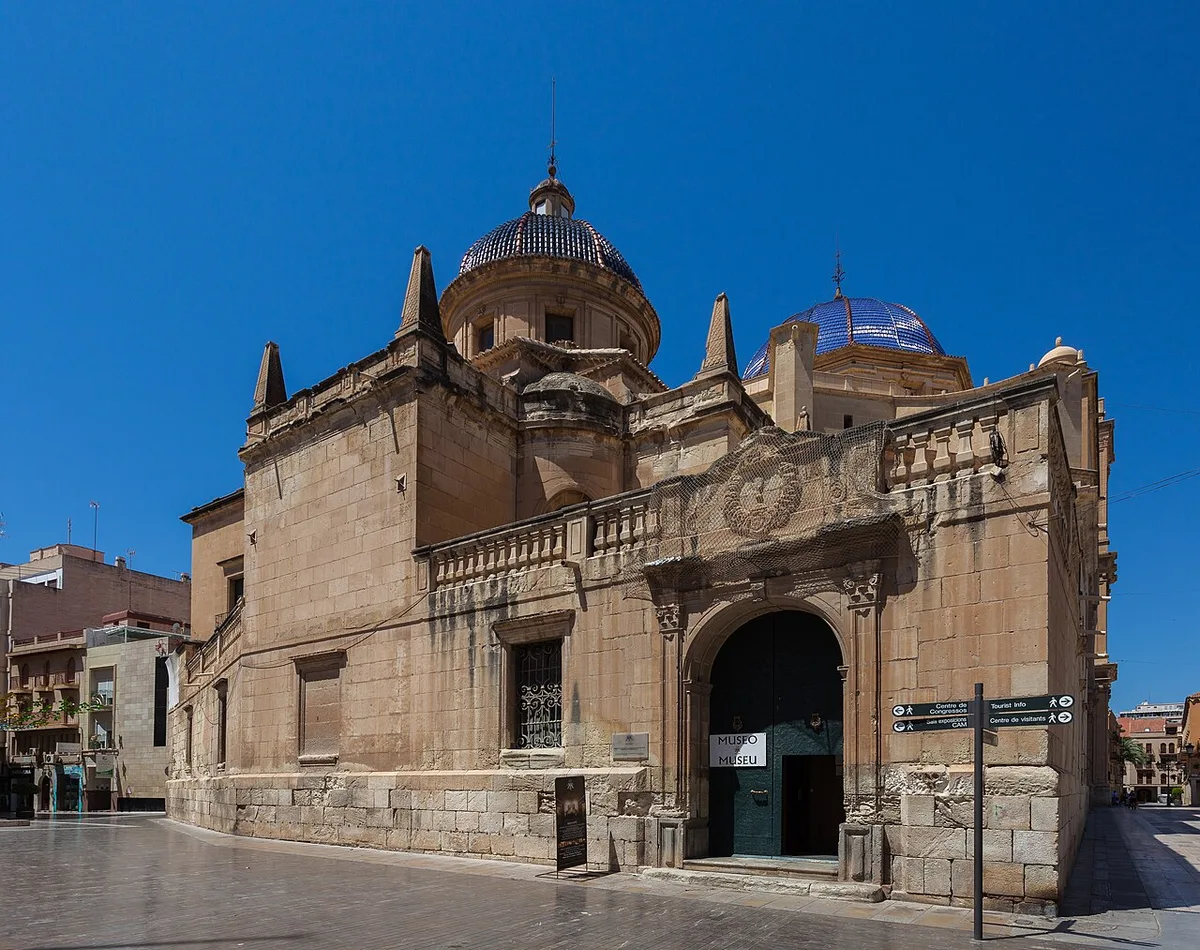
The palms are planted in walled orchards called huertos, and many of them sit inside the city itself. That means palm trunks, ochre walls and irrigation channels feature heavily in the scenery here. The Basilica of Santa María, a Baroque church with a blue-tiled dome, rises above the old centre. It is also the setting for the Misteri d’Elx, a medieval sacred drama held every August.
Getting to Elche
Your arrival is easier than you might expect. Alicante-Elche Miguel Hernández Airport is in El Altet, which belongs to Elche’s own municipality. It has direct flights from much of Europe, and the city is a short taxi or bus ride away.
From Alicante city, the C-1 Cercanías commuter line runs to Elche. Its two main stops are:
- Elx Parc: closest to the old centre and the palm groves
- Elx Carrús: in the western residential district
Travelling runners usually stay in central Elche to be close to the race, or in Alicante for the beach and the bigger choice of hotels. On a Sunday morning, public transport runs a lighter timetable than on weekdays. Runners based in Alicante therefore tend to plan their transfer around race-day services or stay in Elche on the Saturday night.
Entries, Bibs and Race Information
Marathons don’t sell tickets. You enter the race and collect a race number instead. The race organiser handles registration, bib collection, the route map and the start and finish details through its official channels. This guide doesn’t reproduce any of those details, and it doesn’t give an entry fee.
Spectators need nothing at all. The course runs on public roads, so anyone can watch from the pavement anywhere along the route. Road closures in Elche on race morning follow the course. That matters if you are driving to or from the airport.
Cheering on the Elche Pavements
Spanish crowds are loud and generous with strangers. You will hear “¡Ánimo!” (keep going) and “¡Vamos!” shouted at every runner, not only the leaders. Locals often read the first name off a bib and use it, which lifts a runner more than you might think in the last 10 km.
A few habits are worth knowing:
- Cafés open on Sunday mornings, but many shops stay shut, so runners usually buy gels and breakfast supplies on Saturday.
- Cards and contactless payment are accepted almost everywhere, including bars. Tipping is small and optional: rounding up is normal.
- Lunch starts late. A post-race meal in Spain begins around 2pm, so restaurants fill up from then onward rather than at noon.
- Don’t step into the road to hand runners things. Supporters stay behind the barriers and leave the course to the official aid stations.
After the Finish Line
Tired legs are well suited to a slow walk through the Huerto del Cura. It is the best-known of the palm gardens and is famous for the Imperial Palm, a single tree with several trunks branching from one base. The Parque Municipal next door is free, flat and shaded.
For food, Elche’s signature dish is arroz con costra: rice baked with meat and sausage under a crust of beaten egg. It is a heavy, celebratory plate that suits a day when you have burned through several thousand calories. Order it with a cold caña (a small draught beer) and you have eaten like an ilicitano, as people from Elche are called.
If you have an extra day, the Santa Pola salt flats and the coast at Arenales del Sol are both a short drive away. Alicante’s Castillo de Santa Bárbara is just up the train line.
Frequently asked questions
When is the Elche-Alicante International Marathon in 2026?
It takes place on Sunday 13 December 2026 in Elche, Spain, over the full marathon distance of 42.195 km.
Do spectators need tickets?
No. The race runs on public roads, so anyone can watch from the pavement for free. Only runners need an entry, and the race organiser handles that through its official channels.
How do I get to Elche from Alicante or the airport?
Alicante-Elche Miguel Hernández Airport is in El Altet, which is part of Elche's municipality, so the city is a short taxi or bus ride away. From Alicante city, the C-1 Cercanías commuter train runs to Elx Parc, the station nearest the old centre.
Where do runners usually stay?
Most stay in central Elche to keep race morning simple. Others choose Alicante for the beach and more hotels, then deal with the lighter Sunday-morning transport timetable.
What is there to do in Elche after the race?
Walk through the Huerto del Cura palm garden and the Parque Municipal, see the Basilica of Santa María, and order arroz con costra, the local baked rice with an egg crust, for a late Spanish lunch.
Plan your trip to Elche
Spain eSIM & staying connected →
Some links above are affiliate links — if you book through them, Wander Atlas earns a small commission at no extra cost to you. It's how we keep every guide free.