Why go
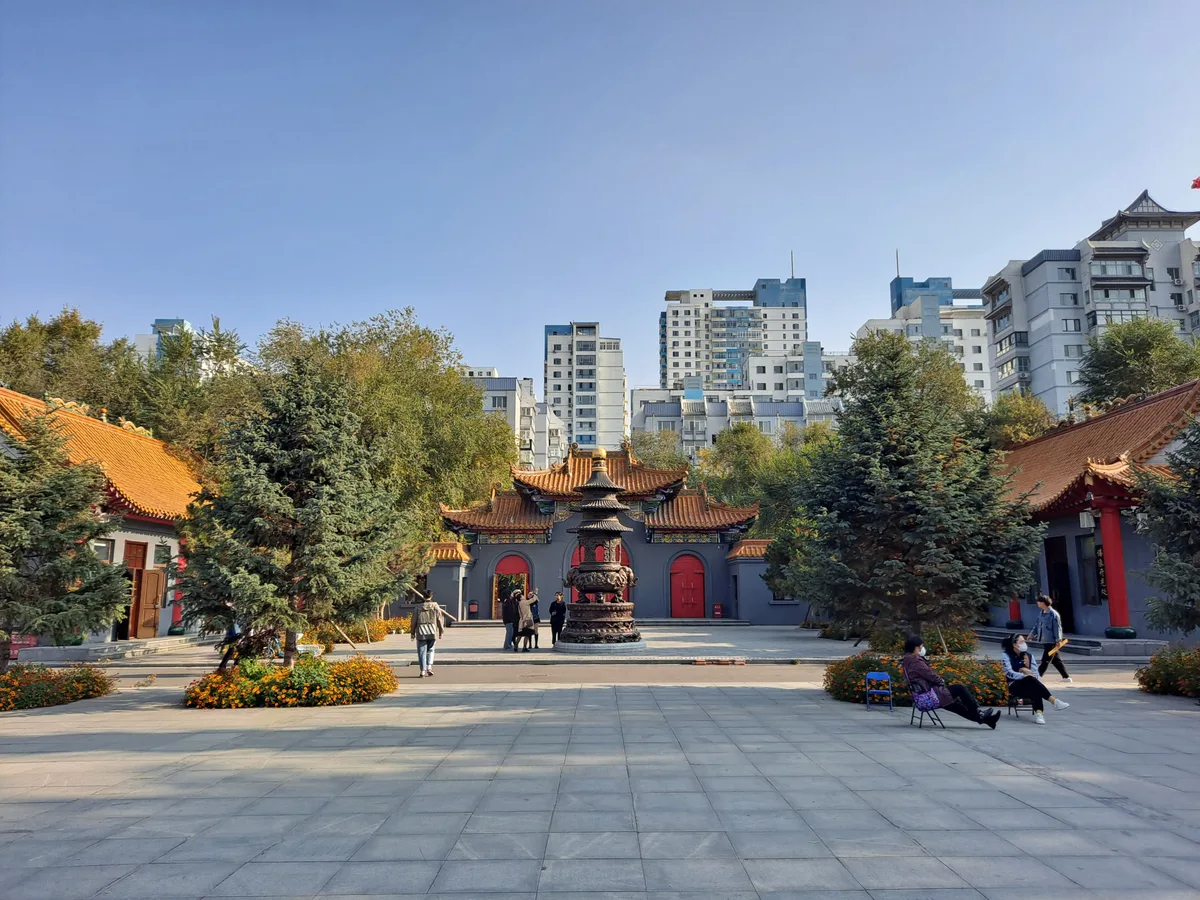
Jile Temple means “Temple of Ultimate Bliss,” and it’s the largest active Buddhist monastery in Harbin. Unlike the city’s Russian-influenced landmarks, this is a genuinely functioning religious site, monks in grey robes cross the courtyards, and the smell of sandalwood incense hangs over everything.
You come here not for grand scale but for atmosphere. It’s a pocket of quiet ritual life in a city better known for ice sculptures and onion domes.
Getting there
The temple sits at 9 Dong Da Zhi Jie in Nangang District, one of Harbin’s central, walkable neighborhoods. Taxis and ride-hailing apps know it by name, and it’s a short ride from Harbin Railway Station or the city center.
If you’re already exploring Nangang’s tree-lined streets, you can simply walk over, the temple’s yellow walls and upturned eaves are hard to miss against the surrounding low-rise blocks.
What you’ll see inside
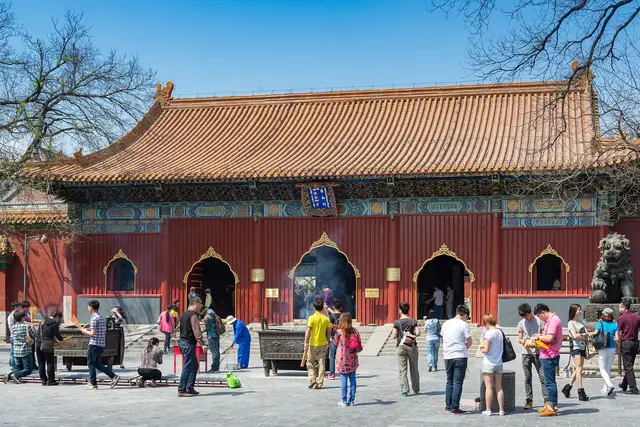
Pass through the main gate and you enter a sequence of courtyards, each one framed by red pillars and grey brick halls. The layout follows classic Chinese Buddhist temple design, a bell tower, a drum tower, and a central hall dominated by a seated Buddha statue.
Look up in the main hall and you’ll notice a seven-story white pagoda rising behind it, one of the temple’s most photographed features. Side halls hold smaller shrines, often with a handful of worshippers kneeling on cushions, murmuring sutras under their breath.
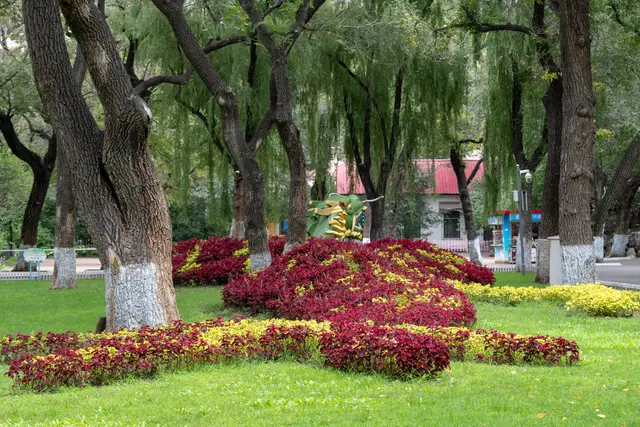
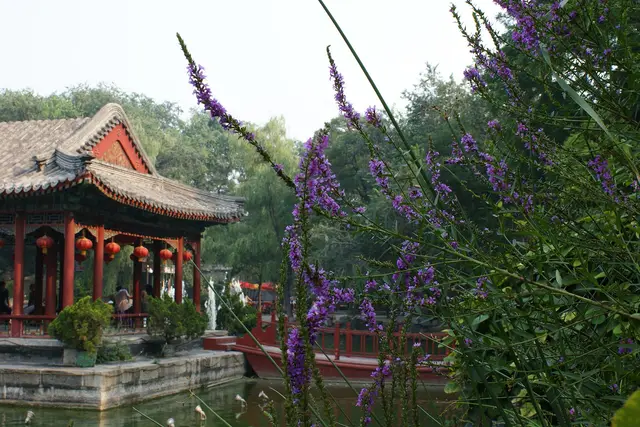
Wander the perimeter and you’ll find quieter corners, stone tablets, potted lotus plants in season, the occasional caretaker sweeping fallen leaves. It rewards slow walking more than checklist sightseeing.
When to go
Because this is a working monastery, the rhythm of the day matters. Early morning brings the most authentic scene: monks performing rituals, low chanting drifting from the halls, and a stillness that thins out as the day goes on.
Given its under-the-radar status among Harbin’s attractions, you’re unlikely to fight crowds here even at midday. Still, weekday mornings offer the best chance of near-solitude in the courtyards.
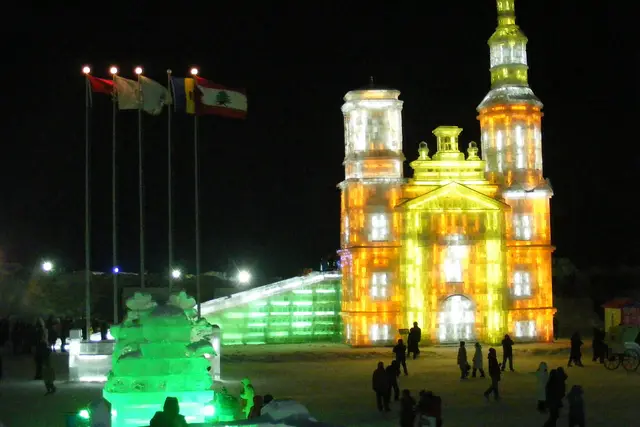
Winters in Harbin are brutally cold, so if you’re visiting during the Ice Festival season, dress for temperatures well below freezing, the temple’s outdoor courtyards offer little shelter from the wind.
How to visit like a local
Treat this as a place of worship first, an attraction second. Speak quietly, especially near the main hall where people are actively praying.
- Dress modestly, covered shoulders and knees are appreciated, especially in colder months this is easy anyway.
- Bring small bills (RMB in coins or small notes) if you want to light incense or make a small donation; there’s usually no fixed “ticket” transaction like at a museum.
- Walk clockwise around shrines and statues, the traditional direction of circumambulation in Chinese Buddhist practice.
- Photograph courtyards and architecture freely, but avoid pointing cameras directly at people mid-prayer.
- Skip weekend afternoons if you want the temple at its most peaceful, mornings, any day, are quieter.
The mistake most visitors make is treating Jile Temple like a quick photo stop between bigger sights. Slow down. Sit on one of the courtyard benches for ten minutes and just listen. That’s the real reason to come.
Nearby and practical notes
Dong Da Zhi Jie itself is worth a stroll before or after your visit, lined with older Harbin architecture and small local eateries. It’s an easy add-on to a Nangang District morning if you’re also seeing Harbin’s university campuses or the Siberian Tiger Park further out.
Confirm current opening hours before you go, since religious sites in China occasionally adjust hours around festivals or renovation work. Budget under two hours total, including time to sit quietly and absorb the setting rather than just walk through it.
Frequently asked questions
How do I get to Jile Temple in Harbin?
It's at 9 Dong Da Zhi Jie in Nangang District, easily reached by taxi or ride-hailing app from Harbin Railway Station or downtown. If you're already in Nangang, it's walkable.
Is there an entrance fee?
Many active Buddhist temples in China charge a small nominal fee or none at all, but this can change — confirm current pricing and hours locally before visiting.
When is the quietest time to visit?
Weekday mornings offer the calmest experience, with monks performing rituals and few other visitors around. It's an under-the-radar site, so even midday rarely feels crowded.
How much time should I plan for the visit?
Most visitors spend 45 minutes to 90 minutes, enough to walk the courtyards, see the main hall and pagoda, and sit quietly for a while.
What should I wear or bring?
Dress modestly with shoulders and knees covered, and bring small bills if you'd like to light incense or leave a small donation.
Plan your trip to Harbin
Some links above are affiliate links — if you book through them, Wander Atlas earns a small commission at no extra cost to you. It's how we keep every guide free.