Castle of Ibiza: Travel Guide
At a glance
How this guide is made
Produced with AI assistance and reviewed against live data sources. Facts such as hours, ratings, and location come from Google Places; images are licensed or public domain. Details can change — please verify before visiting. Editorial policy
Why Dalt Vila’s summit is worth the climb
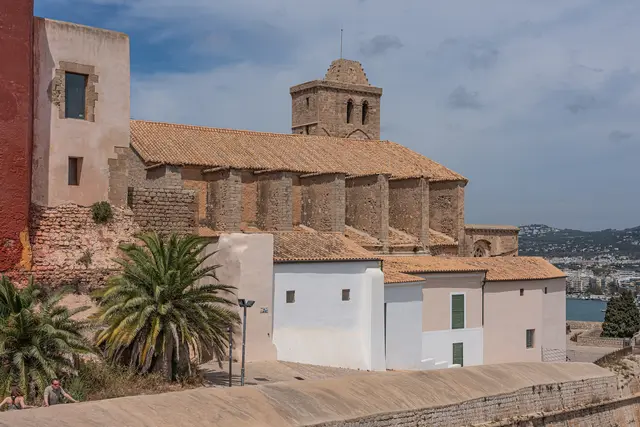
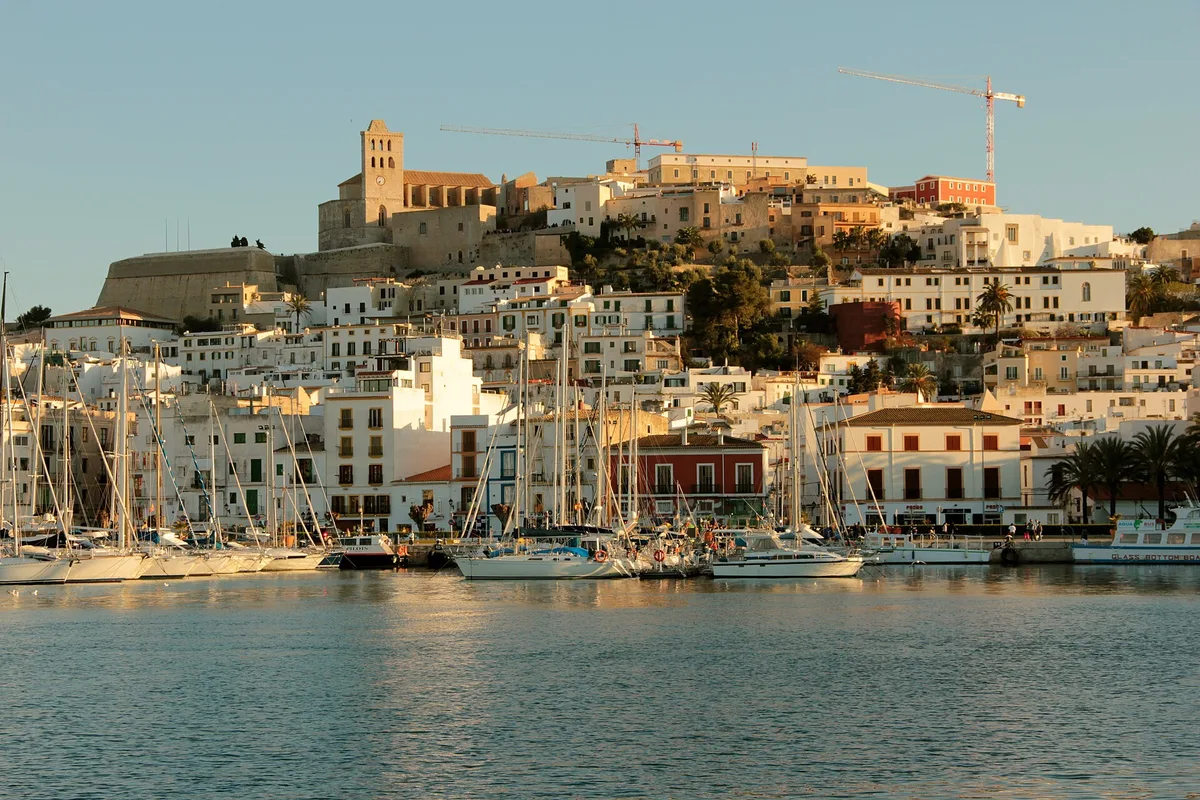
You feel the change in the air before you see anything. The moment you pass through one of the old gates into Dalt Vila, the modern port town falls away and the streets narrow into cobbled ramps that switch back on themselves, lined with whitewashed houses, iron balconies, and the occasional orange tree spilling over a wall. The Castle of Ibiza crowns all of it, not a single fairy-tale tower, but a whole fortified hilltop complex of bastions, curtain walls, and a cathedral, built up over centuries by the Catalans, the Aragonese, and later Renaissance military engineers who reinforced the whole thing against pirate raids.
UNESCO recognized the entire walled complex as a World Heritage Site, and standing at the top explains why in about ten seconds: the Mediterranean opens up in every direction, blue-on-blue, with Formentera a smudge on the horizon.
Getting there and what you’ll actually see
The castle is on Carrer Bisbe Torres Mayans, right at the highest point of the old town, a short but genuinely steep walk up from Eivissa’s port. There’s no funicular or shuttle, you climb it on foot, through a sequence of stone ramparts, past the Baroque cathedral (Santa Maria d’Eivissa), the Almudaina keep, and archaeological museum buildings tucked into the old bishop’s quarter.
The lanes narrow to barely a car’s width in places, walled in by golden limestone that glows orange at the end of the day. At the summit, the castle grounds themselves are austere (thick defensive walls, cannon emplacements, a parade ground), but the real payoff is the 360-degree view: red-tiled rooftops tumbling down to the marina, catamarans and superyachts at anchor, and on a clear day the low outline of Formentera across the water.
The walk through Dalt Vila
Don’t rush straight to the top. The approach is half the reason to come. You’ll pass through Portal de ses Taules, the monumental main gate flanked by weathered stone lions, then thread through Plaça de Vila with its cafe terraces before the real climbing starts. Side alleys lead to unexpected pockets. A chapel door propped open, a cat asleep on a step, laundry strung between balconies three stories up. Wear shoes with grip; the cobbles are polished smooth by centuries of foot traffic and get slippery even when dry.
When to go
This is one of the most visited sights on the island, and it shows, cruise-ship days and midday in high season bring genuine crowds bunching in the narrowest lanes near the cathedral and main gate. Early morning, right after the old town wakes up, or the last couple of hours before sunset are far calmer, and the late light is also when the limestone walls look their best, turning amber and rose.
Spring and autumn are noticeably more comfortable for the climb than the peak of summer, when the stone holds heat and the ascent can feel brutal by early afternoon.
How to visit like a local
Treat it as a walk, not a sight to tick off. Wear real shoes, bring water, and budget the climb itself as part of the experience rather than an obstacle before the “real” view. Because this is a very popular stop for both cruise passengers and island visitors, the smartest move is timing: go right when the old town opens up in the morning or in the two hours before sunset, when tour buses have mostly cleared out and the light is better anyway.
There’s no single ticket booth for the whole hilltop (some individual sites inside the walls (the cathedral, the museum) may charge small entry fees, so carry some cash or a card for those rather than expecting everything to be free. Pace yourself on the switchback ramps rather than powering straight up; locals who live in Dalt Vila walk it slowly, in short stages, pausing at the miradors (viewpoints) built into the walls) that’s the natural rhythm to copy.
The most common visitor mistake is arriving at midday in August expecting shade; there’s very little on the ascent, so an early or evening visit isn’t just about crowds, it’s genuinely more comfortable.
Frequently asked questions
How do I get to the Castle of Ibiza?
It's at the top of Dalt Vila, Eivissa's walled old town, at Carrer Bisbe Torres Mayans. There's no vehicle or funicular access to the summit — you walk up through the old town's cobbled ramps and gates, starting near the port.
How long should I plan for the visit?
Budget 1.5–2 hours for the full walk up through Dalt Vila, time at the castle grounds and viewpoints, and the walk back down. Add more time if you want to visit the cathedral or archaeology museum along the way.
Is there an entrance fee?
The old town and castle grounds themselves are generally open to walk through, but individual monuments inside the walls, like the cathedral or museum, may charge a small separate fee. Confirm current prices locally since these can change.
When is the best time to visit to avoid crowds?
This is one of Ibiza's most-visited sights, so aim for early morning right after the old town opens or the last hour or two before sunset, when cruise groups and midday tour traffic have thinned out.
What should I wear for the climb?
Flat, grippy shoes are essential — the cobblestones are old and polished smooth, and the route is steep and uphill the entire way. Bring water, especially if visiting in summer heat.
Plan your trip to Ibiza
Some links above are affiliate links — if you book through them, Wander Atlas earns a small commission at no extra cost to you. It's how we keep every guide free.