Why go
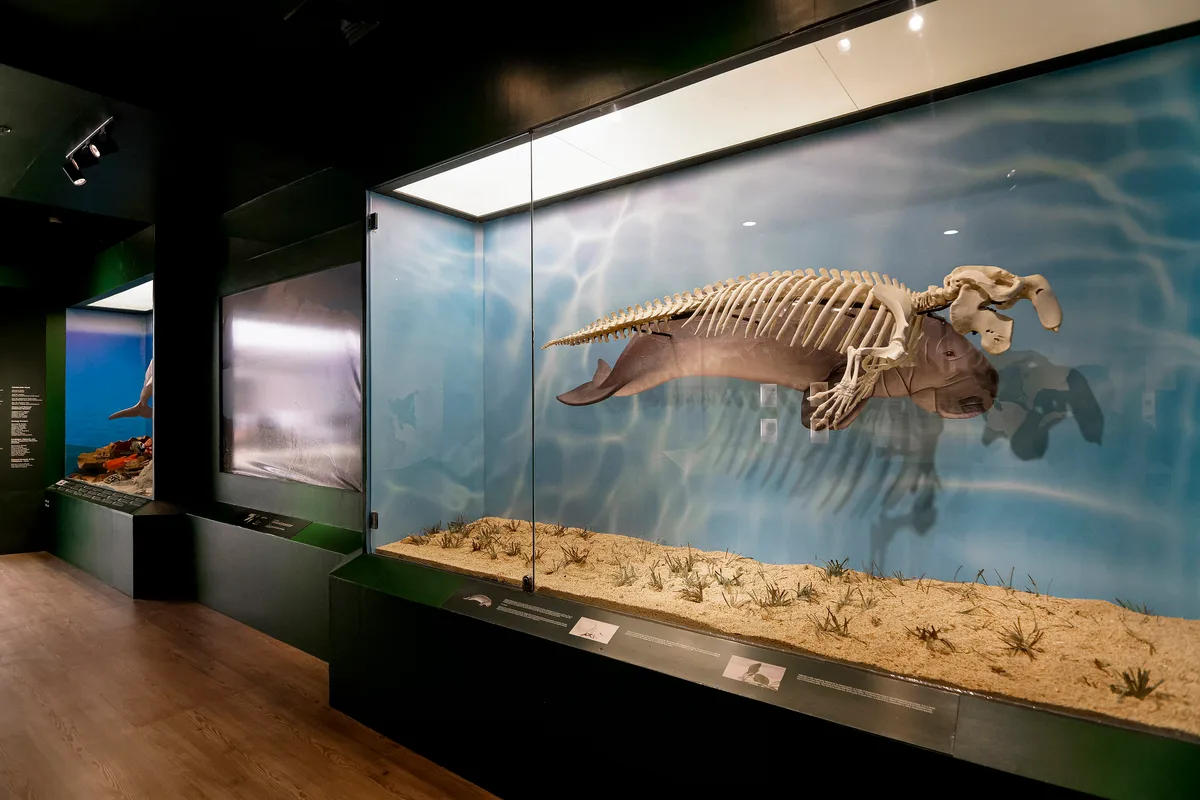
This isn’t a crowded, roped-off museum experience. It’s a calm, well-curated walk through Panay’s deep past, and you’ll likely share the galleries with only a handful of other visitors.
The building itself is worth the visit. It’s a restored American-colonial-era structure that once served as the Iloilo Customs House, all high ceilings, tall windows, and wide wooden staircases that creak underfoot. Light pours in through the upper windows onto polished floors, and the whole place has the unhurried hush of a provincial reading room rather than a big-city institution.
What’s inside
The collection moves chronologically, and it’s more substantial than the modest building suggests.
- Ground floor: archaeological finds from Panay, including centuries-old burial jars, gold ornaments, and trade ceramics pulled from local sites
- Upper floor: exhibits on Iloilo’s role in the Philippine Revolution and the Visayan textile and maritime trades
- Rotating gallery space for temporary shows on regional art and culture
Look closely at the burial jars and gold pieces, much of it came from Panay itself, so you’re looking at objects tied directly to the ground under the city. Labels are in English and Filipino, detailed enough to read slowly without needing a guide.
Getting there
The museum sits on Bonifacio Drive in Iloilo City Proper, facing the Iloilo River esplanade, close to the old Customs House cluster of heritage buildings downtown.
If you’re staying in the city center or near Calle Real, it’s a walkable 10–15 minutes past the riverside promenade. From further out, a tricycle or Grab ride to “Bonifacio Drive near the old customs house” gets you there in minutes. There’s no dedicated visitor parking lot, so most people arrive on foot or drop off curbside.

When to go
The museum keeps the same hours every day of the week: 9am to 5pm, including weekends.
Weekday mornings, shortly after opening, are your best bet for having entire rooms to yourself. Afternoons tend to draw a slow trickle of student groups and local families, especially on weekends. Budget 1.5 to 2 hours, closer to an hour if you’re moving quickly, longer if you like reading every panel.
Pair it with a stroll along the Iloilo River Esplanade right outside, or continue on to Calle Real and the nearby heritage churches for a half-day of walking through the old city.
How to visit like a local
Treat it the way Ilonggos treat their smaller heritage sites, as a quiet detour, not a checklist stop.
- Cost: Check current admission details before you go; bring a valid ID in case sign-in is required at the door.
- Timing: Arrive right at 9am on a weekday. You’ll likely have the ground floor to yourself for the first half hour.
- Etiquette: Photography is generally allowed without flash, but ask staff before shooting in any temporary exhibit, rules vary by show.
- Pace yourself: Start upstairs with the revolution-era exhibits, then work down to archaeology. Most visitors do it in reverse and rush the good stuff at the end.
- Talk to the staff: With visitor numbers low, the attendants often have time to point out pieces excavated nearby that don’t get much signage.
The mistake most tourists make is folding this into a rushed loop with Molo Church and Jaro Cathedral and giving it fifteen minutes. Give it the full hour-plus it deserves. You’re one of relatively few visitors on any given day, and the galleries reward slow, unhurried reading rather than a quick pass-through.
Since it’s free and low-traffic, it also works well as a rainy-day fallback or a midday break between other Iloilo City Proper stops, when the heat outside makes an air-conditioned gallery genuinely welcome.
Frequently asked questions
Is there an entrance fee?
National Museum branches in the Philippines have historically been free to enter; bring ID in case you need to sign a visitor log at the door, but confirm current policy before you go.
How long should I spend there?
Most visitors need 1.5 to 2 hours to see both floors properly; you can do a quicker pass in under an hour if pressed for time.
When is the quietest time to visit?
Weekday mornings shortly after the 9am opening are calmest — the museum stays under-the-radar even on weekends, but midday can draw a few student groups.
What's nearby if I want to make a half-day of it?
It sits right along the Iloilo River Esplanade, within walking distance of Calle Real's heritage buildings and a short ride from Jaro Cathedral and Molo Church.
Is it open on weekends?
Yes, it keeps the same 9am–5pm hours every day of the week, including Saturday and Sunday.
Plan your trip to Iloilo
Some links above are affiliate links — if you book through them, Wander Atlas earns a small commission at no extra cost to you. It's how we keep every guide free.
Related guides
 attraction
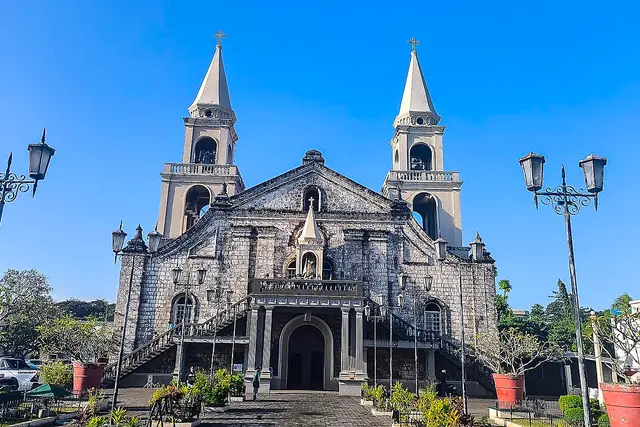
 Jaro Metropolitan Cathedral of St. Elizabeth of Hungary & National Shrine of Our Lady of Candles: Iloilo Travel Guide
 attraction
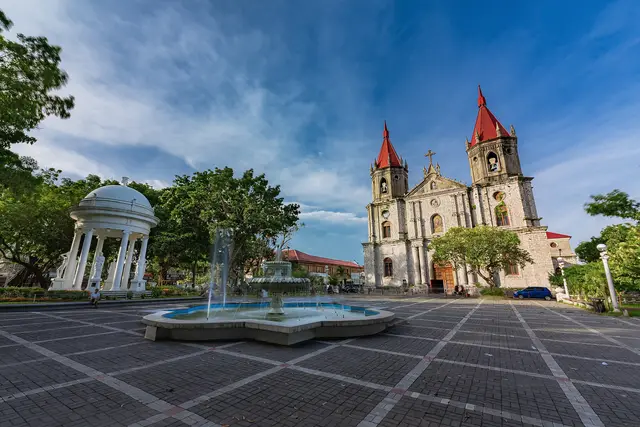
 Molo Plaza: Iloilo Travel Guide (4.5★)
 attraction
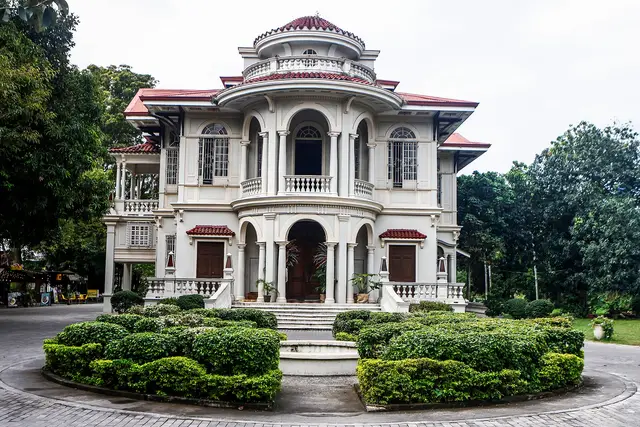
 Molo Mansion: Iloilo Travel Guide (4.5★)
 hidden gem