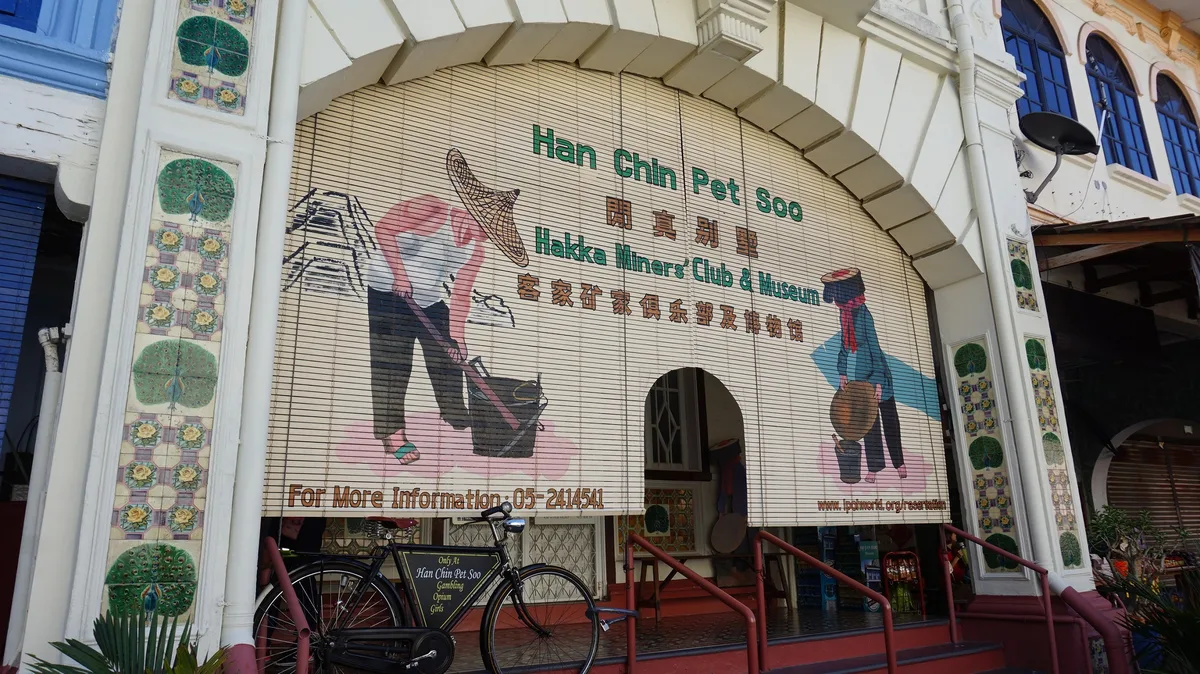
You almost walk past it. On Jalan Bijeh Timah, literally “Tin Ore Street”, in Ipoh’s old town, Han Chin Pet Soo hides behind a plain, colonial-era shophouse facade with a modest signboard, giving no hint that behind the door is one of the most atmospheric small museums in Malaysia. There’s no queue snaking out front, no ticket booth blaring signage. You knock, or arrive for your booked slot, and someone lets you in.
Why go
This building was once a private clubhouse for Hakka tin-mining tycoons, and it stayed a members-only social club for over a century before opening as a museum. That history is the whole point: the rooms still feel inhabited rather than staged. You’ll find a mahjong table with worn tiles, an opium den reconstruction with a low wooden platform and pipe, black-and-white photographs of moustached mine owners in linen suits, and display cases of ledgers and mining tools that trace how Ipoh’s wealth, and its distinctive colonial architecture, was built on tin ore dug out of the Kinta Valley. It’s not a large space, but almost nothing in it is filler.
Getting there
Han Chin Pet Soo sits at 3, Jalan Bijeh Timah, in the core of Ipoh’s old town, a compact grid of heritage shophouses that’s entirely walkable. If you’re coming from the Ipoh Padang or the famous mural streets (Concubine Lane, Mural Arts Lane), it’s a five- to ten-minute stroll north through the old town grid. Ipoh railway station, itself a striking white colonial building nicknamed the “Taj Mahal of Ipoh”, is about a 15–20 minute walk away, or a short taxi/Grab ride if you’d rather not do it in the midday heat.
There’s no dedicated parking lot, so if you’re driving, plan to park on a nearby street or in a public car park in the old town and walk in.
What to see inside
The tour (it’s guided, not self-directed) moves through a handful of rooms: the main clubhouse hall where miners gathered to gamble and socialize, a room devoted to the secret societies and clan associations that structured Hakka mining communities, and displays on the brutal realities of mining labor alongside the genuine opulence some tin barons achieved. Look for the old photographs identifying real mine owners and clan leaders, the museum leans on primary documents and family donations rather than generic wall text, which is what gives it its texture.
Because it’s compact, you’re not rushed room to room the way you might be in a bigger institution; the guide’s narration carries the pacing.
When to go
Give yourself 45 minutes to an hour, most of it inside on the guided walkthrough. Because the museum runs on set tour times rather than continuous walk-in access, the “best time” here isn’t really about crowd-avoidance. It’s about matching your schedule to the day’s session times. Late morning tends to be comfortable weather-wise for the walk over from the station or padang, before the tropical midday heat sets in.
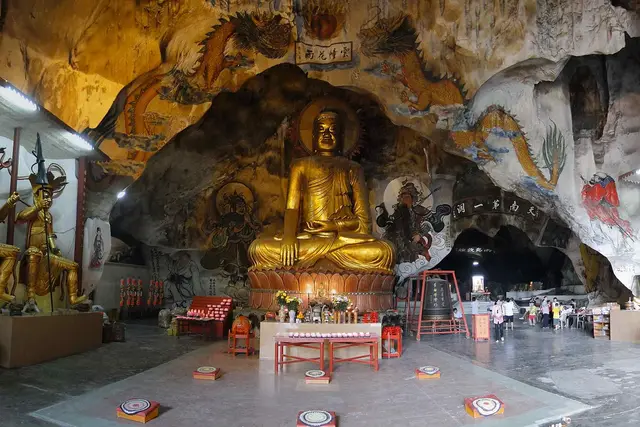
Combine it with the surrounding old town: Sam Poh Tong cave temple, the mural lanes, and old town kopitiams for white coffee are all within easy reach on the same outing.
How to visit like a local
Book or at least call ahead to confirm the day’s tour times before you walk over. This isn’t a museum you can count on wandering into on a whim, and turning up between sessions is the single most common mistake visitors make. Entry is generally handled with a small admission fee paid in cash on arrival, so carry ringgit rather than assuming card payment.
Dress and behave as you would in someone’s old family home, because that’s essentially what it is, voices stay low in the reconstructed rooms, and photography is usually fine but flash and touching the artifacts aren’t. Because it’s still relatively under-the-radar compared to Ipoh’s murals and cafés, you won’t find crowds to dodge here; the real local knowledge is simply knowing it exists and building your old-town walk around its tour schedule rather than the other way round.
Ask your guide questions. Many are well versed in Hakka clan history and will go deeper than the wall placards if you show interest.
Frequently asked questions
How do I get to Han Chin Pet Soo?
It's on Jalan Bijeh Timah in Ipoh's old town, an easy 15-20 minute walk from Ipoh railway station, or a few minutes' walk from the mural lanes and Padang area. Grab (ride-hailing) is cheap and easy if you'd rather skip the walk.
Do I need to book ahead?
It's best to check or reserve ahead, since the museum operates on set guided-tour time slots rather than continuous walk-in entry. Turning up between sessions is the most common visitor mistake.
How long should I plan to spend there?
Around 45 minutes to an hour, most of it on the guided walkthrough of the clubhouse rooms.
Is it worth visiting if I'm not a history buff?
Yes — the mahjong tables, opium den reconstruction, and old photographs make the Hakka tin-mining history feel tangible rather than academic, even for casual visitors.
What else is nearby?
Ipoh's old town heritage shophouses, Concubine Lane and the mural streets, and the colonial-era Ipoh railway station are all within easy walking distance for a combined half-day out.
Plan your trip to Ipoh
Malaysia eSIM & staying connected →
Some links above are affiliate links — if you book through them, Wander Atlas earns a small commission at no extra cost to you. It's how we keep every guide free.