Why go
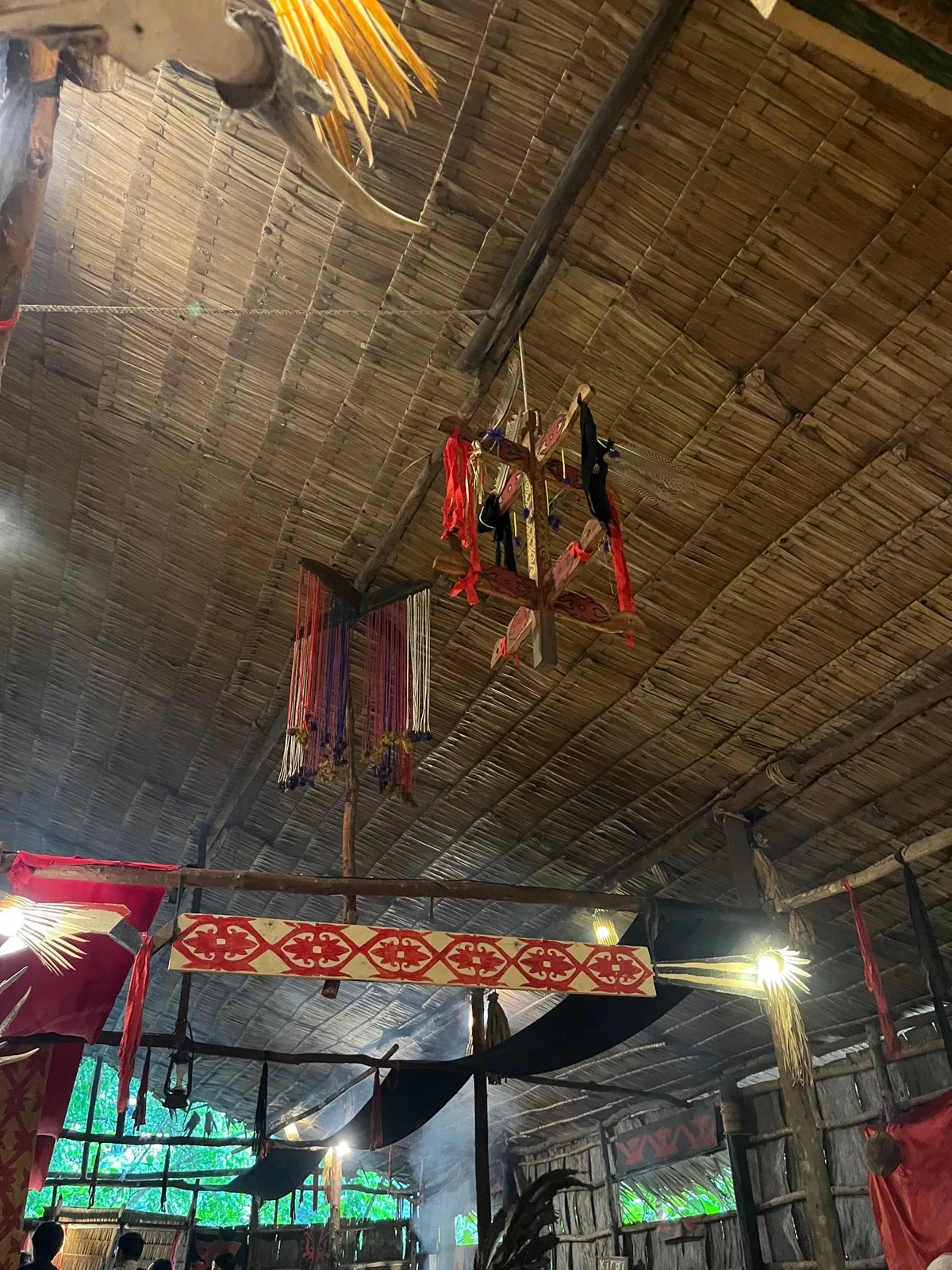
Kota Kinabalu’s coastline gets most of the postcards, but Sabah’s real story is inland, in the longhouses of the Kadazan-Dusun, Bajau, Murut, Lundayeh, and Rungus peoples who settled this part of Borneo long before it had a name on a map. Mari Mari Cultural Village compresses that story into one walkable jungle clearing along the Kionsom River, rebuilding each tribe’s traditional house from bamboo, bark, and thatch, and staffing them with guides who actually demonstrate the skills rather than just narrate them.
It’s touristy in the sense that everyone in KK has heard of it (4.7 stars across nearly 4,000 reviews), but the demonstrations are hands-on enough that the polish doesn’t dull the content.
Getting there
The village sits off Jalan Kionsom in Inanam, roughly 25 minutes by road from downtown Kota Kinabalu. There’s no public bus route that gets you there directly, and the site isn’t really set up for independent arrival anyway, nearly everyone comes on the standard tour package, which includes return hotel pickup and drop-off in KK city and Tanjung Aru.
If you’re driving yourself, the last stretch is a rough, unpaved track, so a rental sedan can struggle after rain; a grab or taxi driver who knows the turn-off is the easier call.

What to see and do
You arrive at a bamboo suspension bridge over a stream, which sets the tone: the whole visit is on foot, along dirt paths and wooden walkways threading through five open-sided longhouses. In the Rungus house you’ll see the long communal veranda where multiple families once lived under one roof; in the Murut house, kids and adults alike get pulled onto a bamboo trampoline-like jumping platform that was traditionally used for celebrations.
Guides show you fire being started from bamboo friction, offer a taste of freshly made lihing (rice wine) or tapai, and walk you through blowpipe use (you usually get a shot at hitting a target yourself. There’s a tattoo demonstration using traditional hand-tapped methods (no ink actually applied to visitors), and a cooking segment where you watch), and then eat, food cooked in bamboo over open fire, including grilled chicken and glutinous rice.
The visit ends with a tribal dance performance in a central hall, often with the audience invited up for the final number. Budget three to four hours total once you include transport and the roughly two-hour walking tour itself.
When to go
Mornings tend to be more comfortable temperature-wise, since Sabah’s inland heat and humidity build through the day and much of the walking is uncovered. The two standard sessions are a morning tour and an afternoon tour with dinner; the afternoon slot means finishing as the light softens, which is worth it for photos of the thatched roofs against the jungle canopy.
Whichever slot you pick, this isn’t a spontaneous walk-in attraction, tours run on set departure windows, so book your seat (and hotel pickup time) a day or two ahead, more if you’re visiting during Malaysian school holidays.
How to visit like a local
This is a well-established stop on the KK tourist circuit, not a hidden find, so the way to get the best experience is less about avoiding the place and more about avoiding the crowd bottlenecks within it. Book the earliest available morning departure, it means smaller groups moving through each longhouse ahead of the coach-tour rush. Wear closed, sturdy shoes rather than sandals; the paths are packed dirt and the platforms inside each house are wooden slats that get slippery after rain.
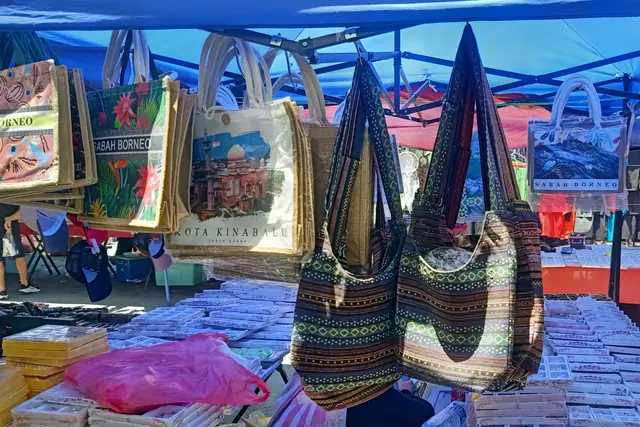
Bring small notes of Malaysian ringgit for the craft stalls near the entrance and exit, since card payment isn’t reliable out here. Most tour prices already bundle in the meal and drink samples, so there’s little need to bring extra cash for food (the main spend is on souvenirs like woven baskets or beadwork. The most common visitor mistake is treating it as a quick photo stop: linger at each house, ask the guide questions, and take the invitation to try the blowpipe or the rice wine) that’s where the visit actually earns its reputation.
Frequently asked questions
How do I get to Mari Mari Cultural Village from Kota Kinabalu city?
It's about 25 minutes by road in Inanam. Almost all visitors go via a booked tour that includes return hotel pickup, since public transport doesn't run directly there and the final approach road is unpaved.
How long does the visit take?
Plan on three to four hours total — the guided walk-through and demonstrations run around two hours, plus transport time and the closing dance/meal segment.
Do I need to book in advance?
Yes. Tours depart at fixed morning and afternoon times rather than continuous walk-in entry, so reserve your slot and pickup time at least a day or two ahead, especially in peak season.
What should I wear or bring?
Closed shoes are best for the dirt paths and wooden platforms, plus light, breathable clothing for the humidity. Bring small ringgit notes for souvenir stalls, since card payment there is unreliable.
Is the food included, and is it authentic?
Yes — tours typically include tasting food cooked in bamboo over open fire, such as grilled chicken and glutinous rice, plus a sample of traditional rice wine (lihing/tapai), all part of the standard package price.
Plan your trip to Kota Kinabalu
Malaysia eSIM & staying connected →
Some links above are affiliate links — if you book through them, Wander Atlas earns a small commission at no extra cost to you. It's how we keep every guide free.
Related guides
 attraction
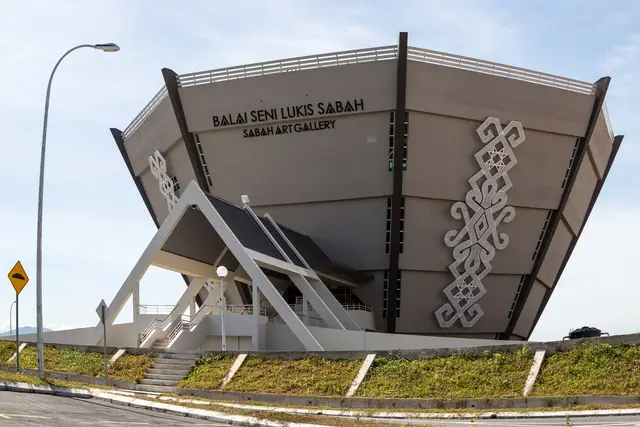
 Sabah Art Gallery: Kota Kinabalu Travel Guide (4.4★)
 attraction
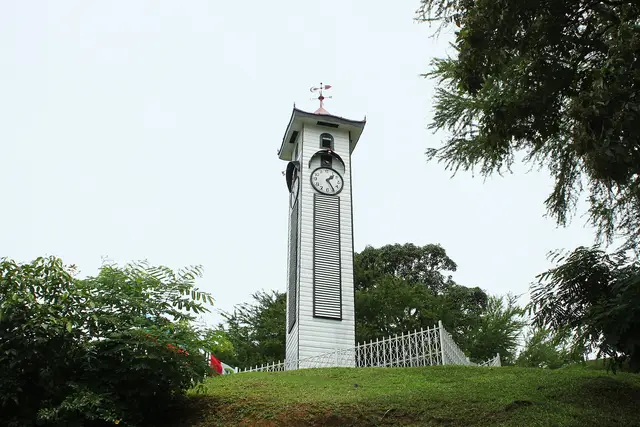
 Atkinson Clock Tower: Kota Kinabalu Travel Guide (4.3★)
 attraction
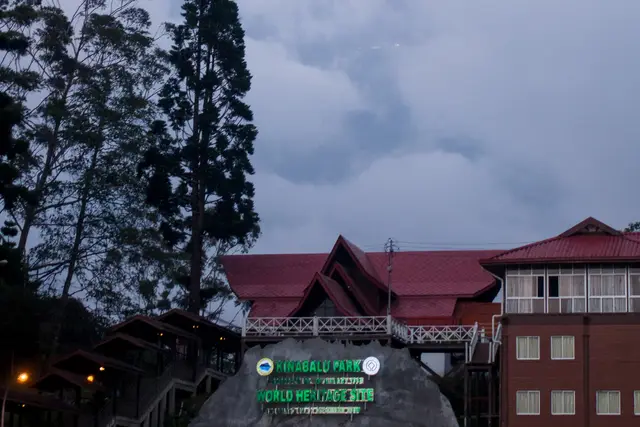
 Kinabalu Park Headquarters: Kota Kinabalu Travel Guide
 hidden gem