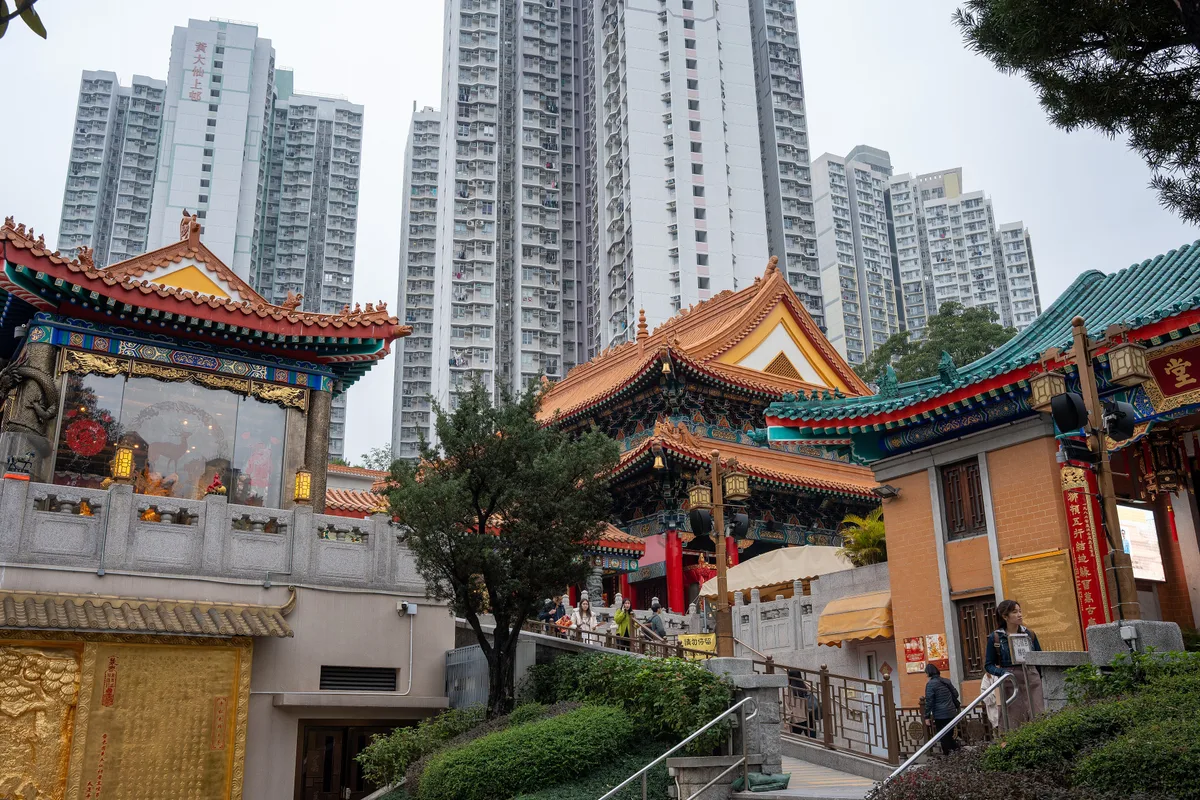
Most guides file this temple under Mong Kok because that’s the nearest name international visitors recognize, but the address is really Chuk Un, in Wong Tai Sin district, one MTR stop past Mong Kok on the Kwun Tong Line. Exit B2 at Wong Tai Sin Station puts you almost directly under the main gate. You won’t mistake it for anywhere else: the roofline is a run of green-gold tiles and red pillars, and the smoke from bundled incense sticks drifts across the forecourt before you’re through the entrance.
The temple is dedicated to Wong Tai Sin, a Taoist deity credited with the power to heal the sick and grant wishes, which is why it draws steady crowds of both worshippers and sightseers. It was built following feng shui principles: the Main Altar faces south, backed by hills, with the nine dragon walls and other symbolic elements positioned deliberately around the complex. That layout is worth knowing before you arrive, because it explains why the place feels laid out in deliberate stages rather than as one open courtyard.
Finding your way through the complex
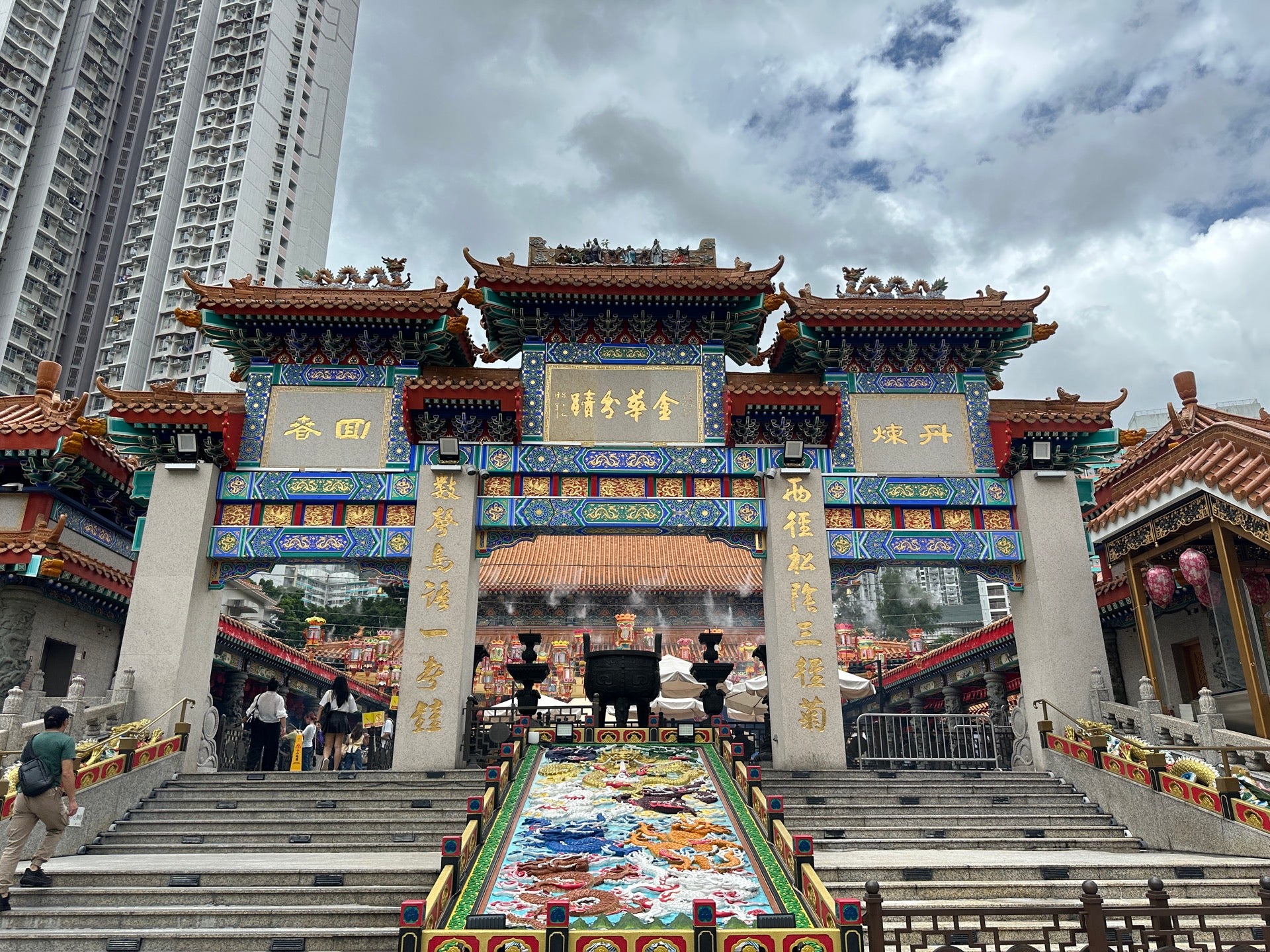
Start at the Memorial Archway, then move through the Bronze Hall and Yue Heung Shrine before reaching the Main Altar, where most people light incense and pray.
Behind and around the main hall are several features worth seeking out on purpose:
- Nine Dragon Wall, a smaller echo of the famous Beijing original
- Fung Ying Shrine and the Three Saints Hall, dedicated to other Taoist and Buddhist figures
- Good Wish Garden, a landscaped area with a pond, pavilions and a nine-turn bridge, usually requiring a small separate admission
- The Confucian Hall, reflecting the temple’s blend of Taoism, Buddhism and Confucianism under one roof
None of this needs a guide to appreciate. Signage is in Chinese and English, and the paths between shrines are short, so an hour covers the whole site at an unhurried pace.
The fortune-stick ritual everyone comes to try
Kau cim, or fortune-stick divination, is the reason many visitors linger longer than they planned. You shake a cylindrical container of numbered bamboo sticks until one falls out, then take its number to one of the fortune-tellers’ stalls lining the temple’s side approach for an interpretation.
It’s a genuine local practice, not a tourist add-on, so the stalls operate in Cantonese first; many operators can manage enough English for a basic reading. Prices vary by stall and by how detailed a reading you want, so it’s worth glancing at a couple of boards before committing. Treat it as a piece of living Hong Kong custom rather than a photo op and you’ll get more out of it.
When to go if you want the courtyard to yourself
The temple’s own foot-traffic patterns are unusually well documented for a religious site, and they’re worth planning around. Both weekdays and weekends are quietest between 8am and 9am, right after opening, before tour groups and the day’s worshippers build up.
Weekends from 10am through 4pm are the busiest stretch by a wide margin. If you’re visiting on a Saturday or Sunday, arriving at opening or waiting until very late afternoon (closing is 4:30pm daily) will spare you the thickest crowds around the Main Altar and incense burners.
Lunar New Year is the temple’s single busiest period of the year: locals believe the earlier in the new year they pray here, the better their luck, so the days immediately after midnight on New Year’s Eve see queues that stretch well beyond the forecourt. Fascinating to witness, but not the moment for a quiet look around.
Lighting incense without getting in anyone’s way
Most visitors buy a small bundle of incense sticks near the entrance rather than bringing their own. The custom is to light the bundle, hold it with both hands at chest height, bow slightly toward the Main Altar, then plant the sticks upright in the large burners set out for that purpose.
Move with the flow of people rather than against it; the forecourt gets crowded and everyone is circulating in roughly the same direction between shrines. Dress modestly, as you would for any active place of worship, and keep voices low near the altars even though the outer courtyard is more relaxed.
Photography is generally fine in the open courtyards but avoid pointing a camera directly at people mid-prayer. This is a working Taoist shrine, not a museum reconstruction, and treating it that way earns you a better welcome from everyone around you.
The Good Wish Garden detour
Tucked behind the main temple buildings, this garden is easy to skip if you’re rushing, which is a mistake. It’s built around a pond crossed by a nine-turn bridge, a classical Chinese garden device meant to confuse evil spirits, which supposedly cannot turn corners.
Pavilions ring the water, and the pace here drops noticeably compared to the incense-smoke bustle of the main courtyard. It usually requires a small separate ticket bought at its own entrance, and it’s worth the extra twenty minutes if you want a quieter, greener counterpoint to the temple proper.
Getting there and around
Wong Tai Sin Station on the Kwun Tong Line puts you steps from the entrance via Exit B2, making this one of the easiest temples in Kowloon to reach without a taxi. The temple sits close to Lion Rock and the wider Wong Tai Sin residential district, so if you’re combining it with sightseeing, pair it with a walk through the nearby public housing estates or continue on to Kowloon City for Thai and Chiu Chow food streets a short bus ride away.
Since the address technically falls under Wong Tai Sin rather than Mong Kok, don’t expect it to sit near Mong Kok’s markets and neon signage; it’s a distinct district with its own MTR stop, about one stop and a few minutes further along the line.
Frequently asked questions
Is Sik Sik Yuen Wong Tai Sin Temple actually in Mong Kok?
Not quite. It's in Wong Tai Sin district, Kowloon, one MTR stop past Mong Kok on the Kwun Tong Line, at Wong Tai Sin Station Exit B2.
What are the opening hours?
Daily, 7:30am to 4:30pm, with no variation by day of the week.
When is the temple least crowded?
Both weekdays and weekends are quietest between 8am and 9am, right after opening. Weekends from 10am to 4pm are the busiest, so avoid that window if you want space to move.
How long should I plan to spend there?
Around 45 minutes to an hour for the main temple complex, plus 20 to 30 minutes more if you visit the Good Wish Garden or try a kau cim fortune-stick reading.
Is there an entrance fee?
The main temple grounds are generally free to enter, though the Good Wish Garden usually charges a small separate admission. Confirm current prices before you go, as these can change.
Plan your trip to Mong Kok
Hong Kong eSIM & staying connected →
Some links above are affiliate links — if you book through them, Wander Atlas earns a small commission at no extra cost to you. It's how we keep every guide free.
Related guides
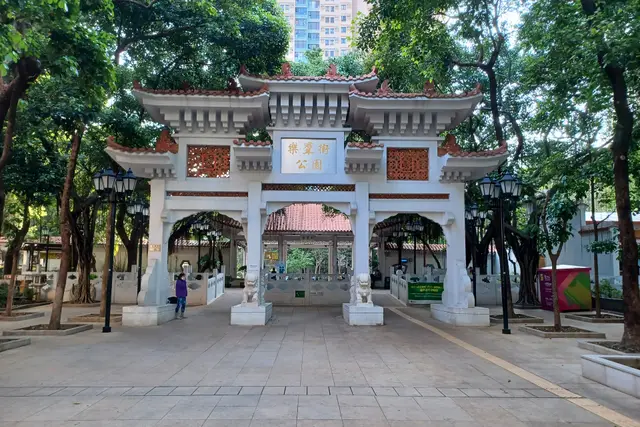
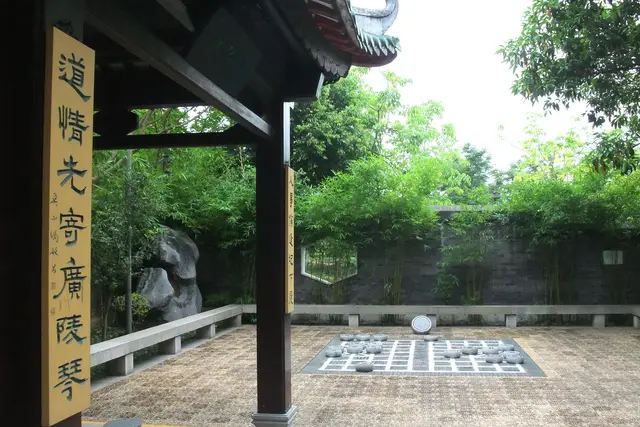
This spot is Day 2 of our Hong Kong 5-day itinerary