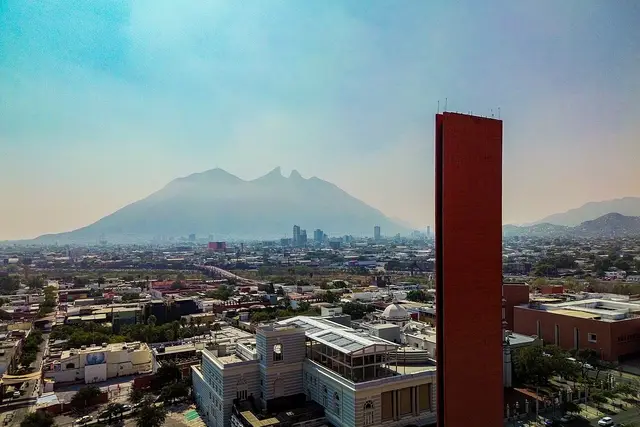
The mountains circle the whole city. From almost any corner of the course, you can see the Sierra Madre Oriental: grey limestone ridges standing over the avenues of Monterrey. The twin-humped Cerro de la Silla rises to the east. On December 13, 2026, thousands of runners take those avenues over for 42.195 kilometres, and the city comes out to watch.
Maratón Powerade Monterrey is an annual marathon through the streets of Monterrey, Nuevo León. It ranks among Mexico’s major big-city marathons, alongside Mexico City and Guadalajara. This guide covers what the day looks like, how race entry and spectating work, and how to fit the weekend into a trip to the north.
The race at a glance
It’s one long Sunday morning. The key facts:
- Date: Sunday, December 13, 2026
- Where: the streets of Monterrey, Nuevo León, Mexico
- Distance: the full marathon, 42.195 km
- Who runs: elite athletes, club runners and first-timers on the same start line
- Where details live: the organiser publishes the start and finish location, course map, race-day schedule and registration on its official site
The race has a reputation among Mexican runners as a course where people chase personal bests. Monterrey sits on a broad valley floor, so the gradients are gentler than its mountain skyline suggests. Many runners treat it as their target race for the year.
Registration and “tickets”
You don’t buy a ticket for a marathon. Runners register for a bib, and spectators need nothing at all. Every public stretch of the course is open to watchers along the barriers.
Registration runs through the organiser’s official site, which also lists any qualifying standards, age rules and the race-pack collection process. Big Mexican marathons usually hold a race expo in the days before the start. Runners pick up their bib, timing chip and shirt there, and they normally need photo ID and their registration confirmation.
Fees are set by the organiser and posted with the registration form. This guide prints no figures because fees change between pricing tiers and editions.
December under Cerro de la Silla
Timing is the thing that makes this race. Monterrey is famous across Mexico for punishing summers, and a summer marathon here would be unthinkable. Holding it in mid-December puts it in the coolest part of the year.
Winter mornings in the valley tend to be cool and often grey. Occasionally a northern cold front (a norte) pushes temperatures down sharply overnight. Runners usually arrive at the start in a throwaway layer: an old sweatshirt or a bin bag they shed in the first kilometres.
Like most big-city marathons, the start is set early in the morning to keep runners ahead of the midday sun. The organiser’s schedule gives the exact gun times for each wave. By late morning the light is clear and flat. If the haze lifts, the Cerro de la Silla saddle sits sharp against the sky behind the finishing straight.
Watching from the curb, regio style
Locals call themselves regios, and they cheer loudly. This is how the morning usually works for spectators:
- Pick two spots, not five. Road closures cut across the city for most of the morning. Families usually choose one early point and one near the finish, then move between them on foot or by Metrorrey, the city’s light rail.
- Shout the name on the bib. Many runners have their name printed on it. A personal “¡Vamos, Ana!” lands harder than generic applause.
- Learn the stock cheer. “¡Échale ganas!” (roughly “give it everything”) is what you’ll hear most along any Mexican course. “¡Ya casi!” means “almost there”. Save it for the last few kilometres, not kilometre 10.
- Hand-outs are a tradition. Spectators often offer orange slices, sweets or water. Runners take them gladly, but official aid stations are the safe choice for anything they drink.
- Pay small. OXXO convenience stores sit on almost every block and take cards. Street vendors near the finish usually want cash in pesos.
Make your sign big and readable from a moving body at speed. Runners say they remember those signs for years.
Where visitors base themselves
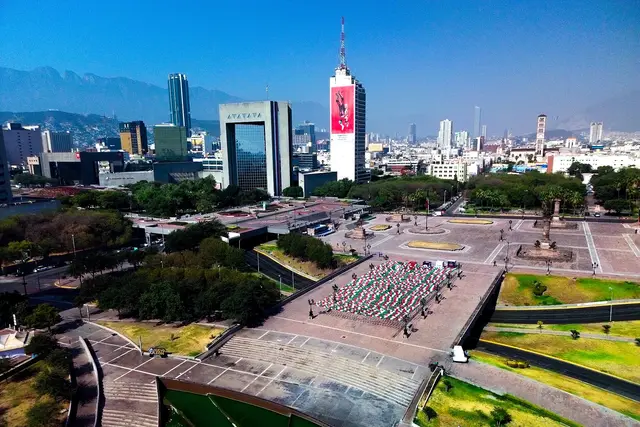
Most out-of-town runners stay central. Barrio Antiguo is the old quarter of low colonial houses and cobbled streets. It sits beside the Macroplaza, the vast civic square anchored by the orange Faro del Comercio tower. Both are walkable to many central points and well served by taxis and ride-hailing apps.
San Pedro Garza García, west of the centre, is the polished business district. It has wide boulevards, international hotel chains and many of the city’s better restaurants. Visitors who want a quieter night before the race often stay there.
Road closures on race morning make driving slow. Runners staying centrally tend to walk to the start or take the Metrorrey. Ride-hailing pickups near closed avenues can be hard to arrange.
Refuelling the regio way
The post-race meal in Monterrey is meat. The city is the heartland of carne asada, and grilling on Sundays is close to a civic ritual. Finishers looking for protein are in the right town.
What to look for:
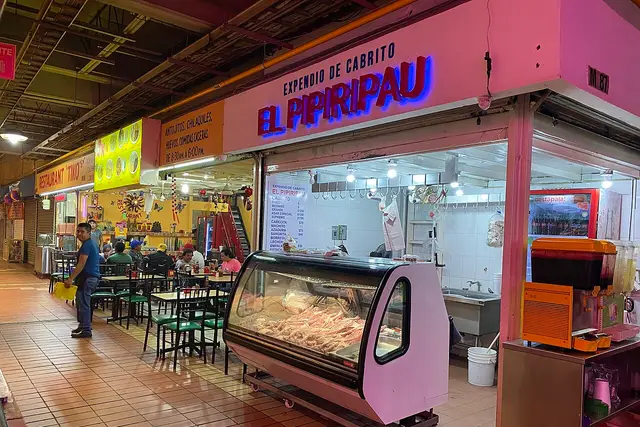
- Cabrito: roast young goat, the dish most associated with Monterrey. Specialist restaurants around the centre roast it over open coals.
- Machacado con huevo: dried, shredded beef scrambled with eggs. It’s the classic northern breakfast and a good choice for a race-day brunch.
- Flour tortillas: the north prefers them to corn. They arrive thick, soft and warm.
- Carne asada tacos: grilled beef, salsa and grilled onions, sold everywhere from street stands to sit-down taquerías.
Agua de horchata or a cold Topo Chico, the mineral water bottled in Monterrey, is the local way to rehydrate.
The day after
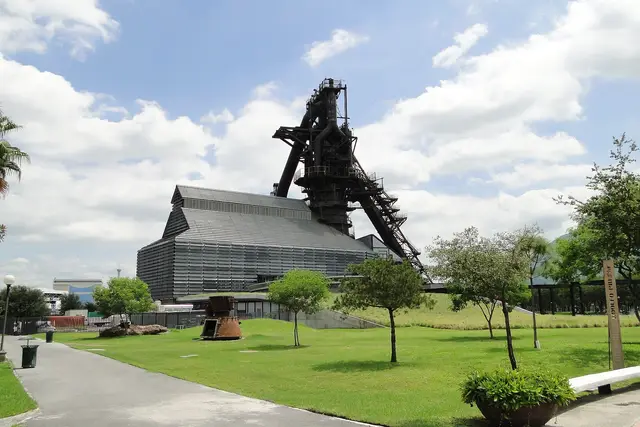
Legs are stiff the morning after a marathon, so choose gentle sights. Parque Fundidora is a former steelworks turned into a sprawling public park. Its rusting blast furnace now houses the Horno3 steel museum, and the paths are flat enough for a recovery walk.
From Fundidora, the Paseo Santa Lucía runs back toward the Macroplaza. It’s a long artificial river walk lined with paths, and boats run along it. Together they make a slow half-day loop.
Visitors with energy left often drive out to Parque Ecológico Chipinque in the Sierra Madre above San Pedro. It has forest trails and a view straight down over the valley the race just crossed. Further out, the Grutas de García caves and the Cañón de la Huasteca suit a longer stay.
Frequently asked questions
When is Maratón Powerade Monterrey 2026?
It takes place on Sunday, December 13, 2026, on the streets of Monterrey, Nuevo León. The organiser publishes the start times for each wave on its official site.
Where does the marathon start and finish?
The race runs through central Monterrey. The organiser publishes the exact start and finish location and the full course map on its official site, together with the road-closure information.
Do spectators need tickets?
No. Watching is free from any public stretch of the course. Only runners need a registration, which goes through the organiser's official site. Registration fees are posted with the entry form there.
What is the weather like for the race?
Mid-December is the coolest time of year in Monterrey. Mornings are usually cool and sometimes grey, and an occasional northern cold front brings a sharp chill. Runners typically wear a throwaway layer at the start.
What can I do nearby after the race?
Parque Fundidora, with the Horno3 steel museum, and the Paseo Santa Lucía river walk are flat options for tired legs. Both connect toward the Macroplaza and Barrio Antiguo. Parque Ecológico Chipinque in the mountains above San Pedro Garza García suits visitors who still want to hike.
Plan your trip to Monterrey
Mexico eSIM & staying connected →
Some links above are affiliate links — if you book through them, Wander Atlas earns a small commission at no extra cost to you. It's how we keep every guide free.