La Vuelta a España 2026: What to Know (Monaco Start, Granada Finale)

How this guide is made
Produced with AI assistance and reviewed against live data sources. Facts such as hours, ratings, and location come from Google Places; images are licensed or public domain. Details can change — please verify before visiting. Editorial policy
Why the Vuelta is worth building a trip around
Unlike a museum or a monument, La Vuelta a España doesn’t sit still. It’s a three-week wave of noise, colour and closed roads that rolls through dozens of towns and cities before it ever settles. The 2026 edition, the race’s 81st running, starts outside Spain entirely, in Monaco, before crossing the border and threading its way across the country over 21 stages.
It finishes, as so many recent editions have, with a ceremonial-turned-competitive final stage in Granada on September 13. If you’ve never watched a Grand Tour in person, the thing that surprises most first-timers is the anticipation: hours of build-up, roadside picnics, team cars and sponsor vehicles rumbling past, and then the peloton itself flashing by in what feels like seconds, a blur of jerseys, spinning wheels and shouted encouragement that somehow justifies the whole wait.
Getting there and getting around
Because this is a moving target, “getting there” depends entirely on which stage you want to see. Monaco’s opening stages are easiest reached via Nice Côte d’Azur Airport, a short transfer away. Once the race crosses into Spain, stage towns will range from small Pyrenean or Cantabrian villages to major hubs like Madrid and Granada, both served by international airports and Spain’s extensive AVE high-speed rail network.
If you’re chasing multiple stages, trains are usually more reliable than driving, race organizers close roads for hours around the route, and rental cars can get stranded behind the caravan. Granada, hosting the finale, has its own airport with connections through Madrid and Barcelona, plus a rail line linking it to Spain’s wider network.
What to actually see on race day
The finish line draws the biggest crowds and the best atmosphere (team buses, presentation podiums, and the sprint or summit-finish drama depending on the stage profile), but it’s also the most crowded and hardest to see anything from unless you arrive early. Many seasoned Vuelta-watchers prefer a spot on the route itself, ideally on a climb, where the pack is stretched out and you get a longer, closer look at the riders than the few seconds you’d get on a flat run-in.
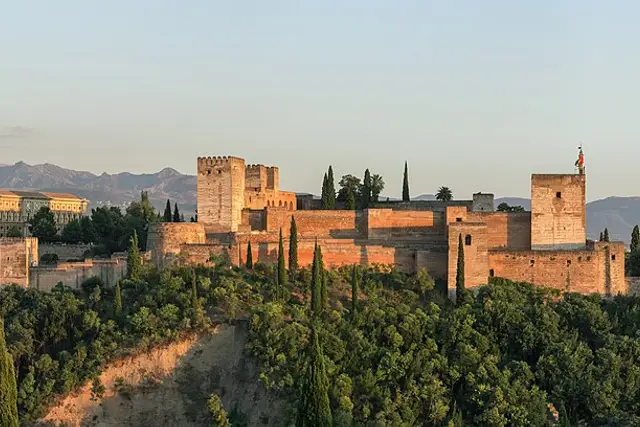
Mountain stages, common in the Vuelta’s back half, are famous for turning roadsides into informal fan festivals, with campervans arriving days ahead and hand-painted rider names chalked onto the tarmac. If Granada’s final stage keeps its recent format, expect a circuit finish through the city with the Alhambra as a backdrop, worth positioning yourself somewhere you can see both the race and the skyline.
When to go
The race runs from August 22 to September 13, 2026, so you’re looking at the tail end of the Spanish summer. Expect serious heat, especially in southern and central stages, and pack accordingly. Weekends tend to draw larger crowds to accessible stage towns near big cities, while weekday mountain stages in more remote areas are easier to find a good, uncrowded viewing spot.
Because the route and exact daily schedule are set by race organizers and can shift before race week, always check the official La Vuelta website for the confirmed stage-by-stage itinerary, start times, and any ticketed viewing areas before booking travel.
How to visit like a local
Spanish fans treat stage day as a full-day outing rather than a five-minute event: they arrive hours early with folding chairs, a cooler of drinks, and something to eat, then stay to watch the caravan of sponsor vehicles that precedes the riders, genuinely part of the fun, tossing out small trinkets and snacks to the crowd. Roadside viewing is free and doesn’t require tickets; the etiquette is simply to pick your spot early, stay behind any barriers or tape, and not step into the road until officials confirm it’s clear even after the peloton has passed, since team cars and stragglers follow for a while after.
Payment for food and drink from local bars and chiringuitos set up near the route is typically cash-friendly in smaller villages, though cards are increasingly accepted in bigger towns. The mistake visitors most often make is fixating only on the finish line, locals know a climb or a scenic curve a few kilometers out often gives a better, calmer view of the race actually happening, rather than a crowded scrum for a blink-and-you-miss-it finish.
Frequently asked questions
When exactly does La Vuelta a España 2026 take place?
It runs from August 22 to September 13, 2026, opening with stages in Monaco before the race crosses into Spain. Always check the official La Vuelta website closer to the date for the confirmed day-by-day schedule.
Where does the race finish?
The 2026 edition concludes with a final stage in Granada on September 13, following the pattern of recent editions that end there.
Do I need tickets to watch the race?
Roadside viewing along the route is generally free and doesn't require tickets, though some finish-line grandstand areas may be ticketed in certain host cities — confirm this on the official race site.
How do I get around to see multiple stages?
Rail travel is usually more reliable than driving, since roads along the route close for hours around race time. Spain's AVE high-speed network connects major stage hubs like Madrid, while Granada and other host cities have their own airports or stations.
Is it better to watch at the finish line or along the route?
The finish line has the most atmosphere but the biggest crowds and only a brief glimpse of riders. Many fans prefer a spot on a climb along the route, where the field is more spread out and visible for longer.
Plan your trip to Granada
Some links above are affiliate links — if you book through them, Wander Atlas earns a small commission at no extra cost to you. It's how we keep every guide free.
Related guides
More Granada guides: Parque de las Ciencias