Why go
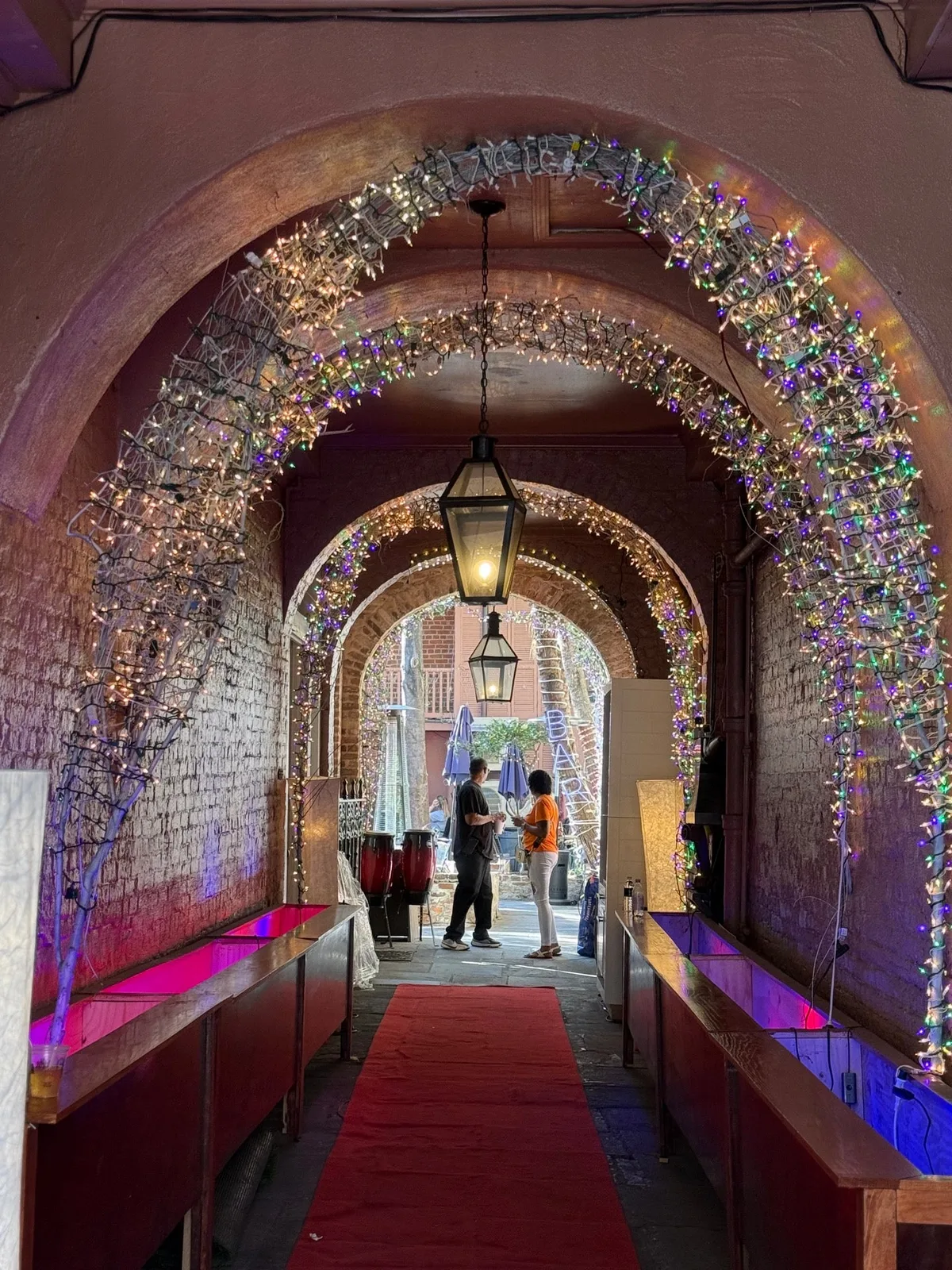
The French Quarter, or “Vieux Carré,” is the original footprint of New Orleans, laid out by French engineers in 1718 and rebuilt largely in Spanish colonial style after fires in 1788 and 1794, which is why the ironwork balconies and courtyards feel more Havana or Seville than Paris. It’s dense with 300 years of layered history: Creole townhouses, hidden carriageway courtyards, and a street grid that still follows the original French plan.
Most visitors only see Bourbon Street’s bar strip, which is a fraction of what’s here. The hidden gem angle is a few blocks in any direction from Bourbon: quiet residential lanes, working artist studios, and architecture nobody photographs for Instagram.
Getting there
The Quarter sits directly against the Mississippi River, bordered by Canal Street (the boundary with the Central Business District), North Rampart Street (facing the Marigny/Faubourg neighborhoods), and Esplanade Avenue. If flying into Louis Armstrong International Airport, a taxi or rideshare into the Quarter runs 20–30 minutes depending on traffic. From downtown hotels, it’s an easy walk across Canal Street, or a hop on the RTA streetcar lines that run along Canal and the riverfront.
Once inside the Quarter, skip cars entirely, streets are narrow, one-way, and parking is scarce and expensive. Everything of interest is within a 15–20 minute walk from Jackson Square, the historic heart of the neighborhood.

What to see and do
Start at Jackson Square, anchored by the St. Louis Cathedral, the oldest continuously active Catholic cathedral in the U.S., flanked by the Cabildo and Presbytère (both part of the Louisiana State Museum). Artists and tarot readers set up along the square’s iron fence most days. From there, walk Royal Street rather than Bourbon. It’s lined with antique dealers, art galleries, and quieter balcony architecture, and it closes to cars for pedestrian stretches midday. Frenchmen Street, just outside the Quarter’s edge near Esplanade, is where locals go for live jazz and brass bands in small clubs, generally a better music scene than Bourbon’s tourist bars.
For food, the Quarter is the birthplace of the muffuletta (Central Grocery is the classic origin point) and beignets are practically mandatory at Café du Monde on Decatur Street, which has traditionally kept round-the-clock hours (confirm current times) and is always busy. Po’boys, gumbo, and turtle soup show up on menus throughout, Galatoire’s and Antoine’s are old-guard Creole institutions if you want a sit-down, white-tablecloth version of the cuisine.
Wander into a few open courtyards along Royal or Chartres Street. Many buildings keep gates open during the day, revealing lush interior gardens that are the neighborhood’s true architectural signature.
Budget half a day just walking without a destination: the balconies, cast-iron galleries, and narrow “banquette” sidewalks reward slow looking more than any single ticketed attraction.
When to go
Spring (March–May) and fall (October–November) bring pleasant temperatures and major events, Mardi Gras (February or March, date shifts yearly) and French Quarter Fest (mid-April, free music) are peak but crowded. Summer is brutally hot and humid; if you go then, plan mornings and evenings outdoors, middays indoors. Early morning, before 9am, is the best window to photograph the Quarter’s streets empty and see it as a lived-in neighborhood rather than a party district.
Nearby & tips
The Quarter connects directly to the Marigny and Frenchmen Street music scene to the east, and to the Warehouse District and its museums across Canal Street to the west. Streets are uneven brick and flagstone. Wear shoes that can handle that, not because it’s generic advice but because Quarter sidewalks genuinely trip up flip-flops. Check current hours for museums and churches, since Jackson Square sites occasionally close for private events or restoration.
Frequently asked questions
How do I get to the French Quarter from the airport?
Louis Armstrong International Airport is about 20–30 minutes away by taxi or rideshare; there's no direct streetcar from the airport, so a car is the practical option.
How long should I spend in the French Quarter?
A full day covers the highlights (Jackson Square, Royal Street, a meal), but two days lets you catch live music on Frenchmen Street and explore courtyards and side streets at a slower pace.
Is the French Quarter walkable?
Yes — it's only about 13 blocks by 6 blocks, and nearly everything worth seeing is within a 15–20 minute walk of Jackson Square. Driving inside the Quarter is discouraged.
What's the best time of year to visit?
Spring and fall offer the most comfortable weather. Mardi Gras and French Quarter Fest are highlights but bring heavy crowds; summer is very hot and humid.
What should I eat in the French Quarter?
Beignets at Café du Monde, a muffuletta from Central Grocery, and Creole classics like gumbo or po'boys are essential; Galatoire's and Antoine's offer a formal sit-down version of the cuisine.
Plan your trip to New Orleans
United States eSIM & staying connected →
Some links above are affiliate links — if you book through them, Wander Atlas earns a small commission at no extra cost to you. It's how we keep every guide free.
Related guides
 hidden gem
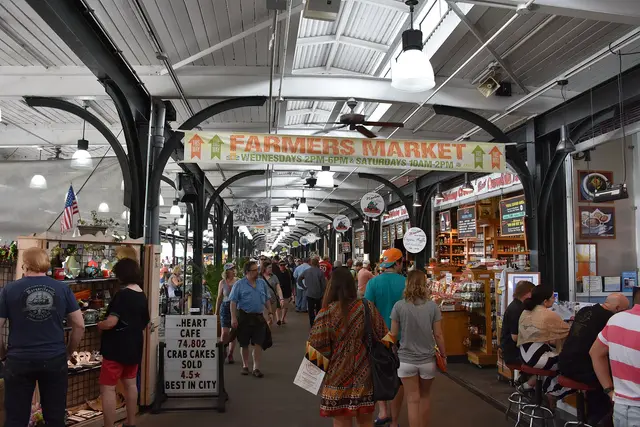
 French Market: New Orleans Travel Guide (4.5★)
 hidden gem
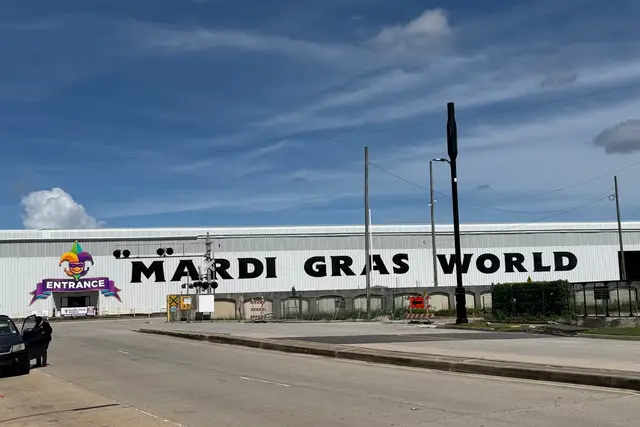
 Mardi Gras World: New Orleans Travel Guide
 hidden gem
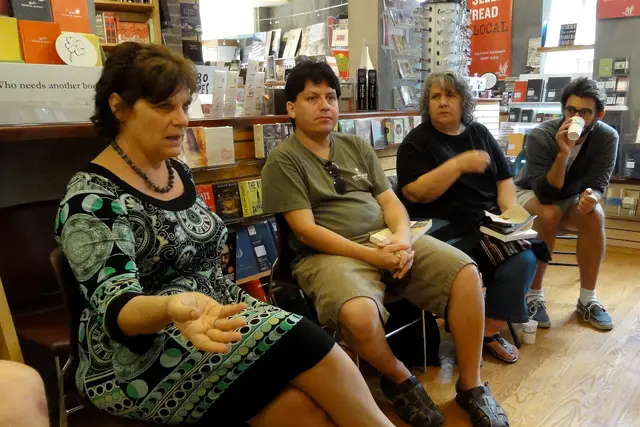
 Octavia Books: New Orleans Travel Guide (4.8★)
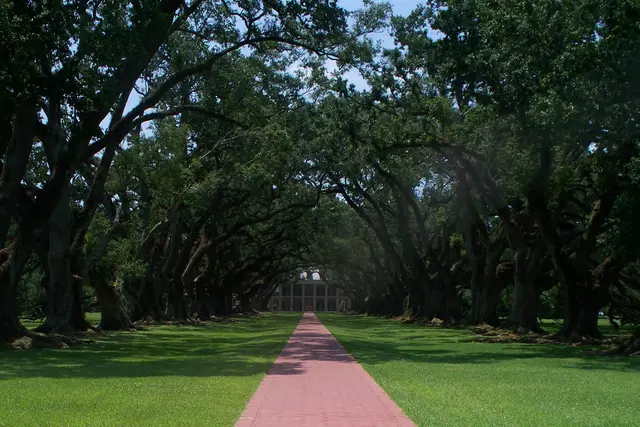 hidden gem
 Oak Alley Plantation: New Orleans Travel Guide (4.6★)
This spot is Day 1 of our New Orleans 3-day itinerary