Why go
The Tour de France Femmes avec Zwift has quickly become one of the marquee events on the women’s cycling calendar, and the 2026 edition was set for August 1–9. It was notable for starting outside France entirely, with a Grand Départ in Lausanne, Switzerland, before the peloton crossed into France for a route built around two legendary set pieces: a summit finish on Mont Ventoux and a closing stage ending in Nice on the Côte d’Azur.
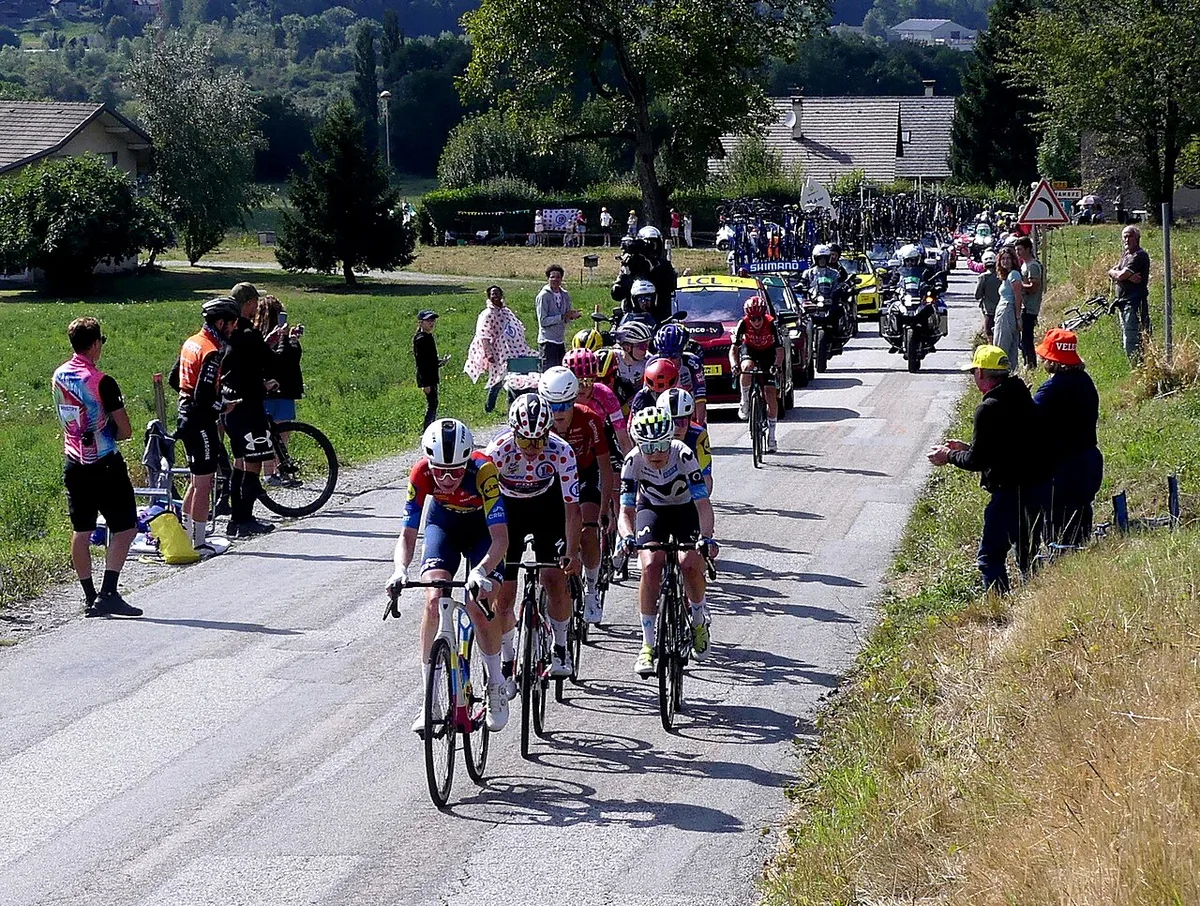
Watching the Tour roadside costs nothing beyond getting yourself to the route, and it’s one of the few elite sporting events where spectators can stand meters from the athletes.
Getting there
Nice is the easiest base logistically: Nice Côte d’Azur Airport is France’s second-busiest, with direct flights from most major European hubs, and the city center sits on a tram and bus network that reaches the Promenade des Anglais in minutes. Provence is the base for the earlier French stages and the Ventoux summit finish. The nearest useful rail hubs are Avignon or Orange, with local buses or a rental car needed to reach the mountain itself, since Ventoux’s slopes (Bédoin, Malaucène, and Sault approaches) have no train access.
For Lausanne’s Grand Départ, Geneva Airport is the nearest international gateway, with a direct train to Lausanne taking under an hour.
What to see (and how to watch)
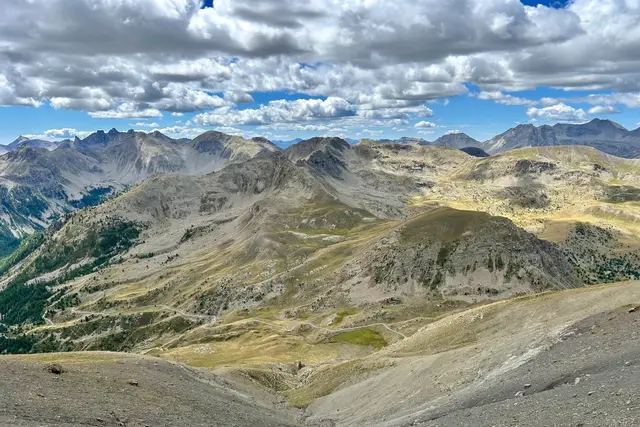
- Mont Ventoux stage: This is the emotional high point of most Tours de France routes that include it, a bald, windswept limestone summit nicknamed the “Giant of Provence.” Spectators typically stake out spots hours (sometimes the whole day) in advance along the final kilometers, where gradients regularly hit 9–10%. Shade, water, and a portable chair are standard kit; there is little natural cover near the top.
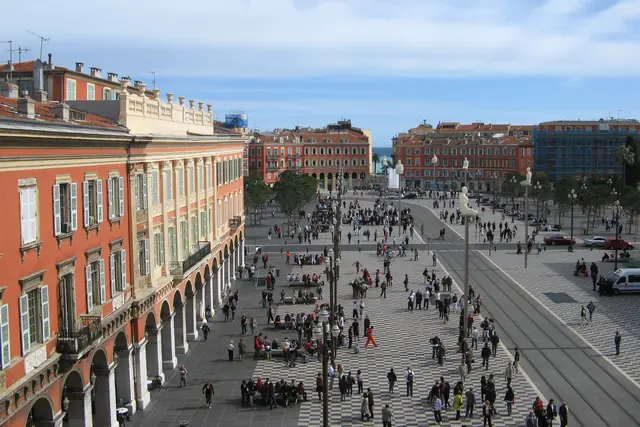
- Nice finale: The closing stage was planned as a flatter, faster finish along or near the Promenade des Anglais, with a party atmosphere, big screens, and podium ceremonies open to the public. It is the more comfortable viewing option: barrier space fills over the few hours beforehand, without the overnight camping a mountain stage demands.
- Team presentations and caravan: Before the riders pass, a publicity caravan of sponsor vehicles throws out trinkets and samples, a genuinely fun, kid-friendly warm-up that precedes the race by 30–90 minutes on most stages.
- Watch multiple stages: Because the route strings together different regions, dedicated fans sometimes follow two or three consecutive stages by car or train, treating it like a mini road trip through Provence and the French Riviera.
When to go
Early August in southern France means summer heat, especially inland around Ventoux and the Rhône valley, with 30°C+ (86°F+) days common. Mountain-stage spectators face hike-like conditions: sun protection, plenty of water, and sturdy shoes for the walk up from parking areas, since roads close to cars well before the riders arrive. Nice in August is warm but tempered by sea breeze, and it’s peak Riviera tourist season, when accommodation is tight and summer rates run high.
Nearby & tips
A Ventoux stage visit pairs well with nearby Provençal towns like Vaison-la-Romaine or the Luberon villages for a day or two either side of the race. In Nice, race day sits alongside the Old Town (Vieux Nice), the Colline du Château viewpoint, and the Matisse and Chagall museums. Exact stage towns, start/finish times, and road closure schedules are finalized and published only a few weeks before the race, on the official Tour de France Femmes website and in ASO’s race guide, and those closures can affect intercity transport on race days themselves.
Frequently asked questions
When exactly is the 2026 Tour de France Femmes?
The race was set for August 1–9, 2026, opening with a Grand Départ in Lausanne, Switzerland, before moving into France.
Do I need tickets to watch?
No — roadside viewing along the route is free. The only costs are travel, accommodation, and any optional grandstand or VIP hospitality packages near stage finishes, which organizers announce separately.
Which stage is best to watch in person?
Mont Ventoux is the most dramatic mountain spectacle, though it means an early start and a walk up with the crowds. The Nice finale was the easier one logistically, with tram and bus access and a festival atmosphere along the Promenade des Anglais.
How do I get to the Nice finish?
Nice Côte d'Azur Airport is the main gateway, and the city's tram and bus network reaches the Promenade des Anglais area in minutes. Crowds and road closures are normal around a Tour finish on race day.
How long should I plan to spend at a stage?
A mountain stage like Ventoux typically takes most of a day for spectators, including the hike to a viewing spot and the wait for the caravan and riders. A city finish like Nice's usually fills a few hours in the afternoon and evening.
Plan your trip to Nice
France eSIM & staying connected →
Some links above are affiliate links — if you book through them, Wander Atlas earns a small commission at no extra cost to you. It's how we keep every guide free.