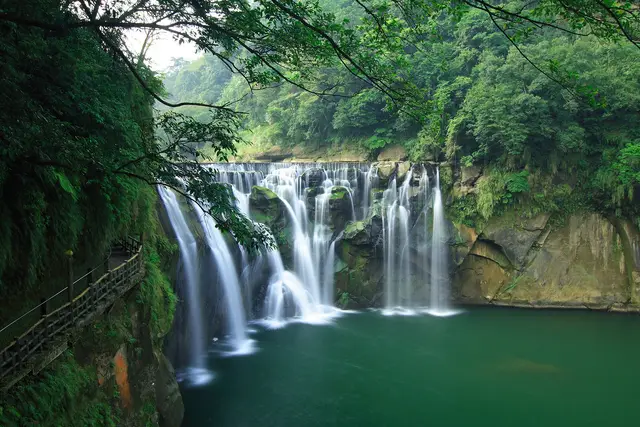
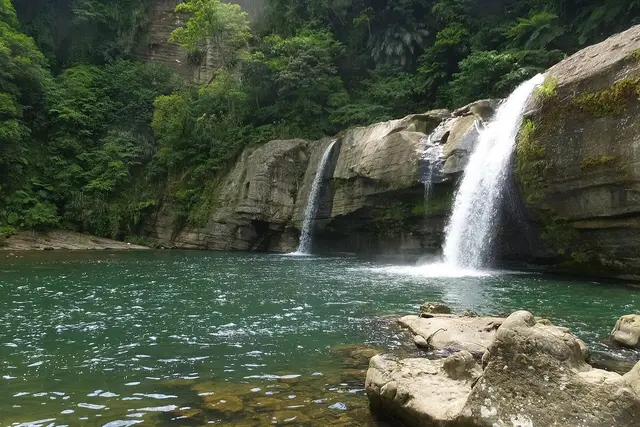
Most visitors doing the Pingxi Line hit Shifen for the waterfall and Jiufen for the lantern-lit alleys, and skip the one stop that actually explains what this whole valley was built for. The Taiwan Coal Mine Museum sits on the site of the former Cifen Sub-mine, up a steep access road above Jingtong Old Street, and it’s the closest thing on the line to an open-air industrial park rather than a polished exhibit hall.
What you’re actually looking at
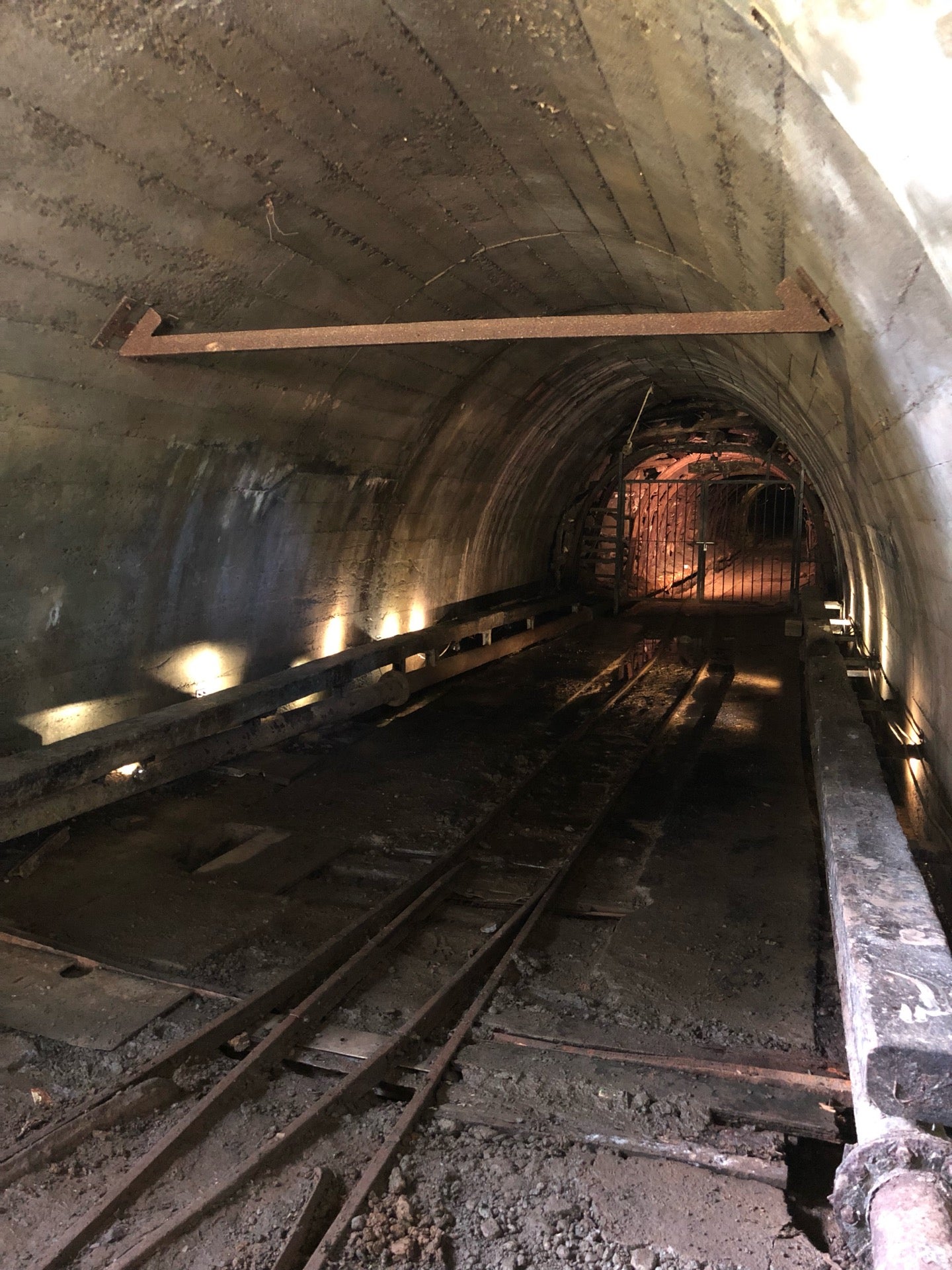
This isn’t a museum in the glass-case sense. It’s a hillside site of rusted rail lines, wooden mine-cart sheds, a preserved miners’ bathhouse and dormitory, and the pit entrance itself, all left largely as they were when the mine closed.
Display cases hold carbide headlamps, hand tools and safety gear, but the real exhibit is the terrain: you’re walking the actual paths miners walked to and from the shaft.
- Original mine entrance (Cifen Keng) with rail tracks running into the hillside
- A short sightseeing train that runs through part of the tunnel
- Machinery yard with coal-washing and hauling equipment
- Restored dormitory and bathhouse buildings
- Steep outdoor walkways connecting the different levels of the site
Getting up there from Jingtong
The museum sits above Jingtong Station, the last stop on the Pingxi Line train from Ruifang. From the station it’s a walk of around 20 to 30 minutes uphill, past Jingtong Old Street’s wooden shopfronts and over the river.
On weekends a local shuttle sometimes runs between the old street and the museum gate; ask at the station or at a shop on the old street, since the schedule isn’t fixed. If you’d rather skip the climb entirely, a taxi from Jingtong takes only a few minutes.
Driving in, the site has a parking area near the entrance, though spaces fill up on weekend afternoons when tour groups arrive.
Planning around the opening days
This is the detail that catches people out: the museum is closed Monday and Tuesday, open Wednesday through Sunday from 9am to 5pm. If you’re building a Pingxi Line loop around a weekday, check that it isn’t a Monday or Tuesday before you commit to the uphill walk.
Because it closes at 5pm, this works best as an early stop before Shifen’s waterfall or Pingxi Old Street’s lantern releases later in the afternoon. Arriving close to opening also means you get the site before tour buses from Taipei show up.
Walking the site itself
The layout is vertical rather than linear, with paths climbing between the lower machinery yard and the upper mine entrance. Wear shoes with grip; some of the walkways are old concrete or packed earth and can be slick after rain, which is common in this part of New Taipei.
The tunnel train ride covers only a portion of the original shaft and runs on a schedule tied to visitor numbers rather than a fixed clock, so there can be a short wait. Signage is bilingual in Chinese and English at most major stops, though some of the equipment placards are Chinese only.
Give yourself at least 90 minutes if you want to see the dormitory buildings as well as the mine entrance and machinery yard, longer if you plan to read every placard.
Reading the site like a former mining town
This valley, along with nearby Houtong and Jingtong, ran on coal mining well into the 1970s, and the museum’s real value is context: it turns Pingxi’s train line and old streets from a scenic backdrop into a former company town. Locals in the area still treat the site as part of the region’s working history rather than a tourist prop, and it hasn’t been overrun the way Shifen’s waterfall trail can get.
Cash is the safer bet for the entrance fee and any small snack stalls near the gate, since card readers aren’t guaranteed this far up the valley. There’s no strict dress code, but the tunnel section is dim and slightly damp, so a light layer helps even on a warm day.
Combine it with Jingtong Old Street below, which has a handful of noodle and tea shops built into the old train-era shopfronts, for a half-day loop that doesn’t require backtracking to Taipei before evening.
Frequently asked questions
How do I get to the Taiwan Coal Mine Museum without a car?
Take the Pingxi Line train to Jingtong Station, the last stop from Ruifang, then walk uphill about 20-30 minutes or take a short taxi ride. A local weekend shuttle sometimes runs from the old street too.
What days is the museum open?
Wednesday through Sunday, 9am to 5pm. It's closed both Monday and Tuesday, so avoid planning your visit on those days.
How long should I spend at the museum?
Plan on at least 90 minutes to two hours to cover the mine entrance, tunnel train ride, machinery yard and the old dormitory and bathhouse buildings.
Is the museum worth combining with Shifen or Jiufen in one day?
Yes, since it's on the same Pingxi Line. Visit the museum first thing after opening, then head to Shifen's waterfall or Pingxi Old Street in the afternoon before it closes at 5pm.
Is the site accessible or is there a lot of walking?
Expect steep paths and stairs connecting different levels of the hillside site, plus a walk up from Jingtong Station itself. Wear shoes with good grip, especially after rain.
Plan your trip to Pingxi
Taiwan eSIM & staying connected →
Some links above are affiliate links — if you book through them, Wander Atlas earns a small commission at no extra cost to you. It's how we keep every guide free.