Abbaye Notre-Dame de Sénanque: Provence Travel Guide
✓ Facts verified via Google Places · Jul 31, 2026
At a glance
Opening hours
- Monday: 9:30 AM – 7:00 PM
- Tuesday: 9:30 AM – 7:00 PM
- Wednesday: 9:30 AM – 7:00 PM
- Thursday: 9:30 AM – 7:00 PM
- Friday: 9:30 AM – 7:00 PM
- Saturday: 9:30 AM – 7:00 PM
- Sunday: 10:00 AM – 7:00 PM
Live foot-traffic data via BestTime.app
How this guide is made
Produced with AI assistance and reviewed against live data sources. Facts such as hours, ratings, and location come from Google Places; images are licensed or public domain. Details can change — please verify before visiting. Editorial policy
Why go
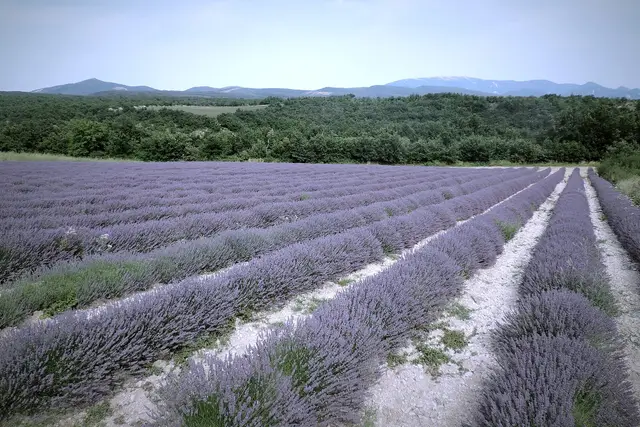
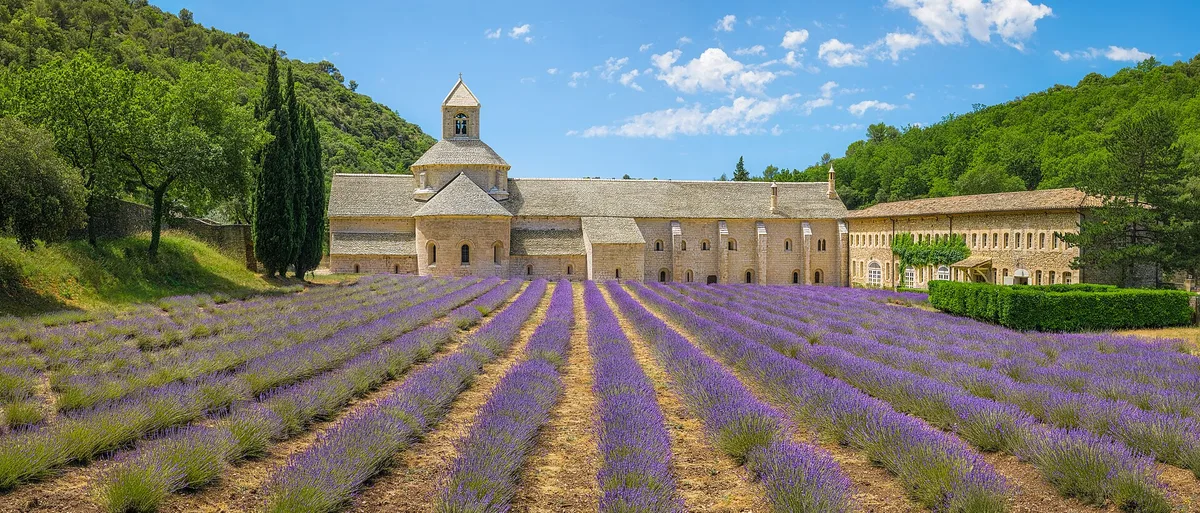
You come around the last bend of the D177 through a narrow limestone gorge, the road dropping between scrubby oak and juniper, and then the valley opens and there it is: a honey-colored 12th-century abbey sitting alone in a shallow bowl of land, ringed by hills, with nothing else built anywhere near it. That isolation is the point. The monks who founded Sénanque in 1148 chose this spot precisely because it was hard to reach, and the setting still does the work, no village, no café strip, just stone church, dormitory wing, and, if you’ve timed it right, rows of lavender running right up to the cloister wall. It’s one of the most photographed monasteries in France, and it earns it.
Getting there
Sénanque sits about 4km outside Gordes, one of the Luberon’s hilltop villages, via the D177. There’s no train station nearby. This is car (or organized tour) territory. Most visitors base themselves in Gordes, Roussillon, or Apt and drive in; the road narrows and winds through the gorge, so allow more time than the map suggests. Parking is in a signed lot below the abbey, a short walk from the entrance.
In peak season, especially July weekends, the lot fills and cars queue on the access road, arriving early isn’t just about crowds inside, it’s about getting a parking spot at all.
What to see
The abbey itself is Romanesque and deliberately plain: Cistercian architecture avoided ornament on principle, so the beauty is in proportion and light rather than carving. Guided tours (the only way to see the church, cloister, chapter house, and dormitory) take you through the barrel-vaulted church and the cloister garden, where the columns and capitals show restrained, geometric stonework rather than figures or foliage.
A handful of monks still live and work here, producing honey, lavender products, and liqueur sold in the small shop, this remains a functioning monastery, not a museum, so tour groups move through in defined slots and quiet is expected.
Outside, the real draw for most visitors is the view: from the small rise above the parking area, or the roadside pullout on the way in, you look down over the abbey with its fields laid out geometrically in front, deep violet-blue if you’ve come in July, cut stubble and green if you haven’t. Even without a bloom, the framing of stone against hillside is worth the stop.
When to go
Lavender flowers mid-June through early August, peaking in the first three weeks of July (that’s the narrow window everyone is chasing, and it’s also when crowds are heaviest. If you can’t avoid summer, come at opening. Opening hours shift with the season, so check ahead before you go. Measured foot-traffic shows the calmest stretch is 9:30am–10:30am on weekdays and 10am–11am on weekends) essentially right at the doors.
Steer clear of noon to 6pm on weekends, when buses and rental cars pack the lot and the viewpoint gets genuinely crowded. Outside the lavender season, the abbey is far quieter and the light on the stone in late afternoon (autumn especially) is worth the trip on its own.
How to visit like a local
This is a place of worship with an active religious community, not a photo backdrop, and that shapes how you should behave: keep voices low near the cloister, dress modestly (covered shoulders, no beachwear (you’ll be turned away in swimwear straight off a Luberon lake), and don’t walk into the lavender rows for photos) they’re a working crop and it’s not permitted.
Entry to the church and cloister is by guided tour only, and in peak months these slots can fill, so check the schedule and consider booking or arriving early rather than assuming you’ll walk straight in. Payment for the shop’s honey, lavender oil, and monastic liqueurs is by card or cash. Since it’s genuinely one of the most visited sites in the Luberon, the real “local” move is scheduling around the crowd data rather than looking for a secret entrance. Go at opening, and you’ll have something close to the empty valley the monks intended.
Frequently asked questions
What are the opening hours?
9:30am–7pm Monday through Saturday, and 10am–7pm on Sunday. Hours can shift around religious holidays, so it's worth confirming before you drive out.
When is the quietest time to visit?
Weekdays between 9:30am and 10:30am, or weekends between 10am and 11am — right around opening. Avoid weekends from noon to 6pm, when parking and the viewpoint get crowded.
When is the lavender in bloom?
Roughly mid-June to early August, peaking in the first three weeks of July. Outside that window the fields are green or cut, but the abbey and setting are still worth seeing.
How do I get inside the abbey?
The church, cloister, and other interior rooms are only visited via guided tour — you can't wander in independently. Tours run in slots that can fill up in summer, so aim to arrive early.
How long should I plan for a visit?
Around 45 minutes to an hour for the tour and cloister, plus extra time to walk up to the viewpoint above the valley and browse the small shop selling monastery-made honey and lavender products.
Plan your trip to Provence
Some links above are affiliate links — if you book through them, Wander Atlas earns a small commission at no extra cost to you. It's how we keep every guide free.