
A house kept under glass
The house is wooden and the delta is wet. That is why the timber cabin Sarmiento built on the river that now carries his name sits inside a protective glass enclosure. You walk around a 19th-century island home sealed inside a modern case, with the trees and the brown water of the Paraná Delta reflected all over it.
Sarmiento was a writer, educator and president. He championed the delta islands as a place to settle and farm, and he promoted crops like wicker and fruit trees here. The site is a National Historic Monument. Its displays cover his life on the islands, and you can walk the grounds along the riverbank.
Getting there by lancha
Getting there takes some planning, because no road reaches the house:
- To Tigre: take the Mitre line train from Retiro to Tigre station. The Tren de la Costa is the slower, more scenic option.
- To the house: walk to the Estación Fluvial, the river boat terminal beside the station. Buy a ticket on a lancha colectiva, the shared passenger boat, going up the Río Sarmiento.
- Tell the crew that you want the Casa de Sarmiento stop. Boats stop at private docks along the way only when someone asks.
The ride runs through the first section of the delta. You pass stilted houses, rowing clubs and wooden jetties. Allow about two hours on site, including the walk along the shore.
Timing your visit
At the moment it opens Wednesday to Sunday, 10am–6pm. It is closed Monday and Tuesday. Museum hours shift through the year and on public holidays, so check the official listing for the current month before you board a boat.
Check the return boat times with the ticket office in Tigre before you leave, because evening boats run less often than daytime ones. Boats are generally busiest on weekends and holidays, when Buenos Aires day-trippers head upriver. A weekday visit makes for an easier trip, and in the summer heat of January and February the enclosure and shaded grounds are most pleasant in the morning.
Island manners on the Río Sarmiento
The house sees fewer visitors than central Tigre. Many people stop at the Puerto de Frutos market and never get on a boat, so the island is usually quieter than the town.
- On the boat: stand on the dock and wave the lancha down when you want to go back. Have your ticket or SUBE card ready, depending on the operator, and ask about payment when you buy your outbound ticket.
- Tickets: check the entrance price and any guided-visit times at the museum’s own posting, not with boat touts.
- Food: there are few places to eat at the stop itself. Eat in Tigre or at one of the riverside recreos (island restaurants with docks) along the same route.
- Respect: neighbours’ docks are private. Wait only at marked stops, and keep your voice down near houses along the bank.
- Bring: insect repellent, since delta mosquitoes are reliable in the warmer months.
Pair the visit with the Museo de Arte Tigre or the Puerto de Frutos once you are back on the mainland. Both are a short walk from the Estación Fluvial.
Frequently asked questions
How do I get to Sarmiento House from Buenos Aires?
Take the Mitre line train from Retiro to Tigre. Then go to the Estación Fluvial and catch a lancha colectiva (shared passenger boat) up the Río Sarmiento. Ask the crew to stop at Casa de Sarmiento.
What days is Sarmiento House open?
At the moment it opens Wednesday to Sunday, 10am–6pm, and is closed Monday and Tuesday. Hours can change by season and on holidays, so check the official listing before you go.
How long should I plan for the visit?
Plan about two hours at the site. With the train and the boat ride each way, a round trip from Buenos Aires easily fills half a day.
What will I actually see there?
You will see Sarmiento's original wooden island house, preserved inside a protective glass enclosure. There are also displays on his life and his promotion of the delta, plus riverside grounds you can walk.
What else is nearby?
Back in Tigre, the Puerto de Frutos market and the Museo de Arte Tigre are both close to the Estación Fluvial. Riverside recreos along the Río Sarmiento route are good places to eat.
Plan your trip to Tigre
Argentina eSIM & staying connected →
Some links above are affiliate links — if you book through them, Wander Atlas earns a small commission at no extra cost to you. It's how we keep every guide free.
Related guides
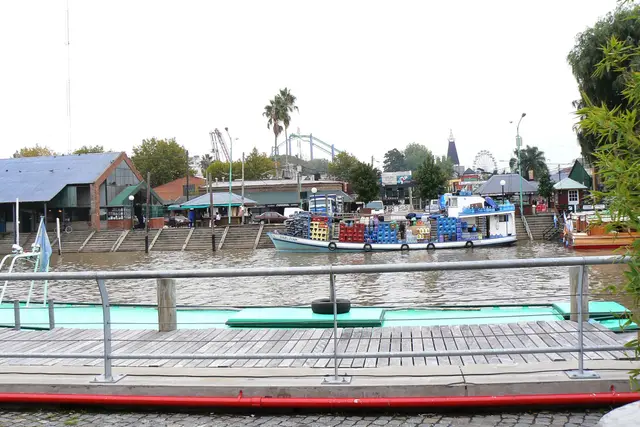 attraction
Puerto de Frutos: Tigre Travel Guide (4.5★)
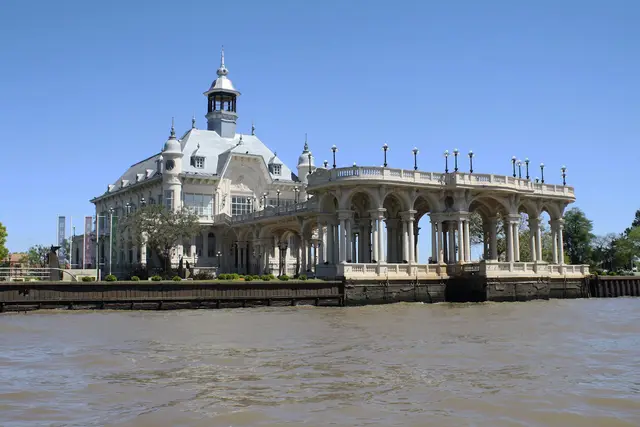 hidden gem
Museo de Arte de Tigre: Travel Guide (4.7★)
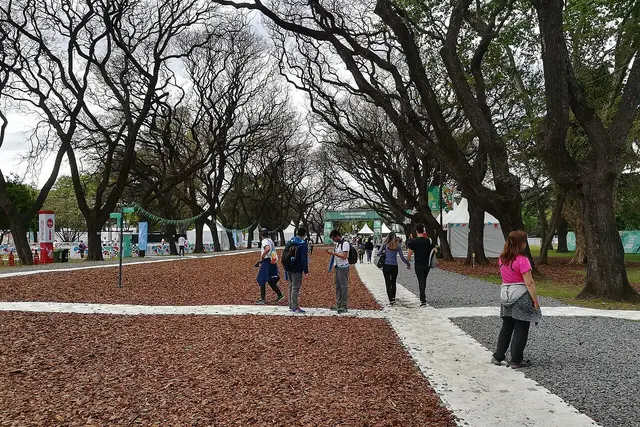 attraction
Tres de Febrero Park: Buenos Aires Travel Guide (4.7★)
 attraction