Why Tioman pulls you in
You feel it as the ferry rounds the headland and the island’s granite peaks appear through the haze. Rainforest runs straight down to the waterline, no buildings breaking the green until you’re nearly on top of the beach. This is a proper nature reserve, not a resort strip, and it shows in how quickly the jungle takes over past the last chalet.
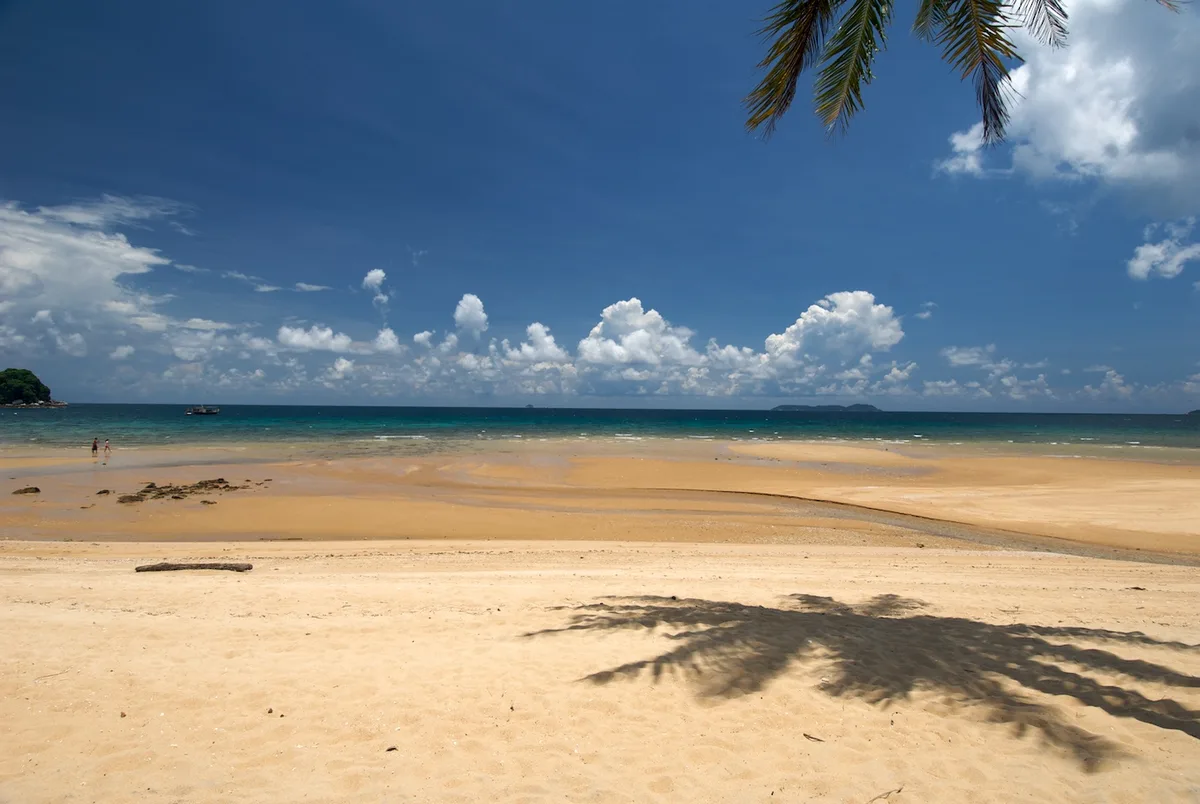
Below the surface, fringing coral reefs wrap much of the coastline, which is why divers rate this among the best easy-access sites in Malaysia. Above it, the beaches range from powder-white coves to quieter stretches where you’ll share the sand with monitor lizards rather than crowds.
Getting there
Most visitors reach Tioman by ferry from Mersing or Tanjung Gemok on the Pahang/Johor coast, a crossing of roughly one to two and a half hours depending on the jetty and sea conditions. There’s also a small airport with occasional flights from Kuala Lumpur or Singapore, useful if you want to skip the boat entirely.
Ferries drop passengers at several jetties around the island, Kampung Tekek, Air Batang (ABC), Salang and Genting are the main ones. Pick your jetty based on where you’re staying, since road links between villages are limited and boat taxis or short jungle trails fill the gaps.
What to see and do
The island’s kampungs (villages) each have their own character, from backpacker-friendly Air Batang to the more built-up Kampung Tekek near the airport.
- Snorkel or dive around Renggis Island and Coral Island for reef fish and turtles
- Walk the jungle trail between Kampung Tekek and Air Batang, about 45 minutes through rainforest
- Hike to Asah Waterfall for a freshwater swim after a sweaty climb
- Take a boat trip to the twin peaks of Bukit Nenek Semukut for the classic Tioman postcard shot
- Join a day trip to nearby Tulai Island, known for exceptionally clear water
Diving here draws a genuinely international crowd, and most operators are set up for both beginners doing a first open-water course and experienced divers chasing wreck or drift dives further offshore.

When to go
The best window runs from March to October, outside the northeast monsoon that brings rough seas and reduced ferry schedules from roughly November to February. Some resorts and dive operators scale back or close entirely during the monsoon months, so this isn’t just a comfort preference, it affects what’s actually open.
Within the dry season, June to August tends to be busiest with school-holiday travelers from Malaysia and Singapore. Shoulder months like April, May, September and October give you calmer crowds with similarly good conditions.
How to visit like a local
Tioman is well-known enough now that peak-season beaches and dive boats fill up, so plan around that rather than expecting an undiscovered island.
- Book ferries and popular dive trips a few days ahead in July and August
- Pay dive operators and homestays in cash (ringgit); card acceptance is patchy outside the larger resorts
- Wear reef-safe sunscreen and rinse off before swimming. The coral here is genuinely fragile and easily damaged by sunscreen runoff
- Use the jungle trail between villages instead of always paying for a boat taxi; it’s free, scenic and well-marked
- Respect the marine park rules, Tioman sits within a protected marine park, and touching or standing on coral is discouraged everywhere, not just at signposted sites
- Bring a printed or downloaded ferry schedule, since departures can shift with weather and aren’t always posted clearly online
Tourists most often underestimate how limited infrastructure is between villages, expecting continuous roads and shops. Pack essentials with you when you head to quieter beaches, and don’t assume every jetty has an ATM or a reliable food stall.
Getting around and staying
Chalets and dive resorts cluster around each village jetty, ranging from simple backpacker huts to mid-range beachfront rooms; there’s little in the way of large luxury hotels, which keeps the pace unhurried. Getting between villages usually means a short boat taxi, a jungle walk, or occasionally a rough coastal track passable by 4WD.
Plan for at least two to three nights to make the ferry crossing worthwhile and fit in both a dive or snorkel day and a jungle hike. Longer stays suit anyone doing a multi-day dive certification course.
Frequently asked questions
How do I get to Tioman Island?
By ferry from Mersing or Tanjung Gemok on Peninsular Malaysia's east coast (roughly 1–2.5 hours), or by flying into Tioman Airport from Kuala Lumpur or Singapore when routes are running.
What's the best time of year to visit?
March to October, during the dry season when seas are calm and ferries run reliably. Avoid November to February, when the northeast monsoon brings rough water and some operators close.
How many days do I need on Tioman?
Two to three nights covers a snorkel or dive trip plus a jungle hike between villages. Add more time if you're doing a multi-day diving course.
Is Tioman good for non-divers?
Yes — jungle trails, waterfalls, and boat trips to nearby islands like Tulai give plenty to do beyond diving, and snorkeling straight off the beach needs no certification.
Which village should I stay in?
Air Batang (ABC) suits backpackers and a laid-back scene, Kampung Tekek is more developed and near the airport, and Salang and Genting offer quieter, dive-focused stays.
Plan your trip to Tioman
Some links above are affiliate links — if you book through them, Wander Atlas earns a small commission at no extra cost to you. It's how we keep every guide free.