
Peru · Region
Aguas Calientes
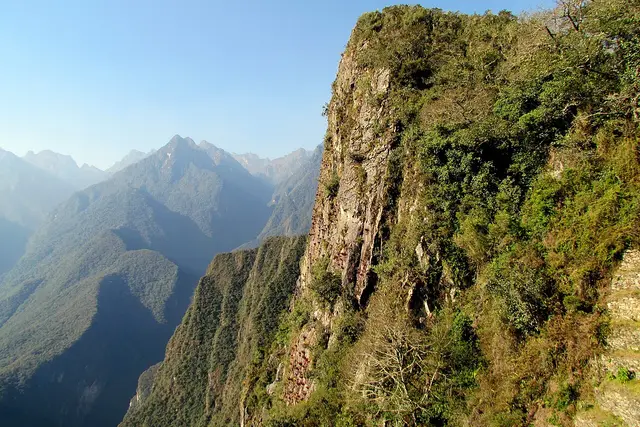
Aguas Calientes, officially known as Machu Picchu Pueblo, is a small Andean town wedged into a river gorge directly below the Machu Picchu citadel, with no road connecting it to the outside world. Its narrow, pedestrian-only streets, hot springs and market stalls exist almost entirely to serve travellers passing through on their way up to the ruins.
Top-rated things to do in Aguas Calientes
Booking links are affiliate links — booking through them supports our free guides at no extra cost to you.
Where to stay in Aguas Calientes
Compare Aguas Calientes hotels and stays at the lowest price — deals, ratings, and real traveler reviews.
Search hotels in Aguas Calientes →Booking links are affiliate links — booking through them supports our free guides at no extra cost to you.
Plan your trip to Aguas Calientes
Peru eSIM & staying connected →
Some links above are affiliate links — if you book through them, Wander Atlas earns a small commission at no extra cost to you. It's how we keep every guide free.
When to visit Peru: month-by-month weather, crowds and holidays →
Frequently asked questions about Aguas Calientes
How do I get to Aguas Calientes?
Most travellers fly into Cusco (CUZ), then transfer overland to a train station at Poroy or Ollantaytambo for the ~1.5 to 4 hour rail journey to Aguas Calientes on PeruRail or Inca Rail, since no roads reach the town. A slower, cheaper alternative involves buses from the regional hub to Hidroelectrica, followed by a walk or short local train into town; from Aguas Calientes itself, a shuttle bus covers the final ~25 minutes up to the Machu Picchu entrance.
How many days should I spend in Aguas Calientes?
Most visitors spend just one night in Aguas Calientes, enough time to catch an early bus up to Machu Picchu, tour the citadel for a couple of hours and soak in the hot springs before heading back by train.
What is Aguas Calientes known for?
Aguas Calientes, officially known as Machu Picchu Pueblo, is a small Andean town wedged into a river gorge directly below the Machu Picchu citadel, with no road connecting it to the outside world. Its narrow, pedestrian-only streets, hot springs and market stalls exist almost entirely to serve travellers passing through on their way up to the ruins.