Philippines · Region
Angono
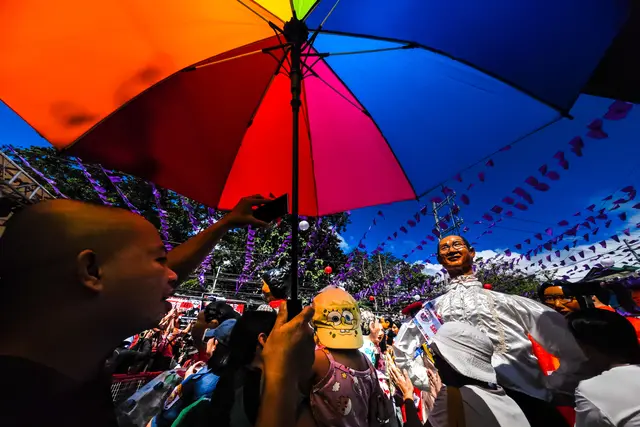
Angono is a lakeside town in Rizal province, promoted as the "Art Capital of the Philippines" thanks to native sons like national artist Carlos "Botong" Francisco and a legacy of open-air murals, galleries, and the prehistoric Angono-Binangonan Petroglyphs. Its small-town, fishing-village character persists even as it folds into Metro Manila's eastward sprawl, most visibly during the papier-mache giant parade of the annual Higantes Festival.
Top-rated things to do in Angono
Booking links are affiliate links — booking through them supports our free guides at no extra cost to you.
Where to stay in Angono
Compare Angono hotels and stays at the lowest price — deals, ratings, and real traveler reviews.
Search hotels in Angono →Booking links are affiliate links — booking through them supports our free guides at no extra cost to you.
Plan your trip to Angono
Philippines eSIM & staying connected →
Some links above are affiliate links — if you book through them, Wander Atlas earns a small commission at no extra cost to you. It's how we keep every guide free.
When to visit Philippines: month-by-month weather, crowds and holidays →
Frequently asked questions about Angono
How do I get to Angono?
Angono has no airport or rail line of its own: travellers fly into Ninoy Aquino International Airport (NAIA) in Manila, then continue by road via Manila East Road or Ortigas Avenue Extension, roughly ~30 to 45 minutes by car or taxi, or ~2 to 2.5 hours by public bus, jeepney, or UV Express van from hubs such as EDSA-Shaw or Cubao. A private vehicle or taxi is the more reliable option, especially for reaching the hillier Petroglyphs site outside town.
How many days should I spend in Angono?
A single day is enough to cover Angono's compact core: the mural-lined Doña Aurora Street, a museum or two, and a short tricycle trip up to the Petroglyphs, making it a popular day trip from Manila rather than an overnight stay.
What is Angono known for?
Angono is a lakeside town in Rizal province, promoted as the "Art Capital of the Philippines" thanks to native sons like national artist Carlos "Botong" Francisco and a legacy of open-air murals, galleries, and the prehistoric Angono-Binangonan Petroglyphs. Its small-town, fishing-village character persists even as it folds into Metro Manila's eastward sprawl, most visibly during the papier-mache giant parade of the annual Higantes Festival.