Giants on the Town Streets
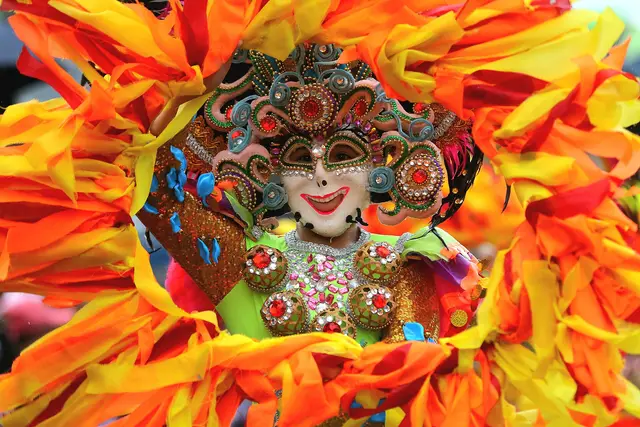
Angono’s giants stand roughly two storeys tall. Each higante is a papier-mâché head and torso on a bamboo frame, carried by one person hidden inside the skirt. The faces are painted with heavy brows and red cheeks, and the arms swing loose as the bearer walks. The 2026 feast falls on November 23, the day the Catholic calendar gives to Pope St. Clement I.
A popular local story traces the figures back to Spanish-era hacienda tenants. They were only allowed one fiesta a year, so they built giants that mocked their landlords. Today the higantes march as a town tradition. Angono has a strong claim to the title “Art Capital of the Philippines”: muralist Carlos “Botong” Francisco and National Artist for Music Lucio San Pedro both came from here.
Where It Happens and What Unfolds
You don’t need a ticket, because there’s no gated venue. The procession takes over Angono’s streets. Its spiritual centre is St. Clement Parish Church, and it ends at the Laguna de Bay shoreline. These are the things visitors usually come to see:
- The higantes parade, with giants, marching bands and street dancers moving through the town proper.
- The pahadores, devotees dressed as fishermen in wooden clogs (bakya), carrying paddles and fishing gear.
- The fluvial procession, in which the image of San Clemente rides a decorated boat on Laguna de Bay. San Clemente is the patron of fishermen.
- Basaan, the water-splashing that soaks almost everyone along the route.
The day mixes a Mass, a carnival and a fishing-town blessing. Townspeople and visitors usually spend most of the day following it from street to shore.
Standing in the Splash Zone
Getting wet isn’t optional. During the basaan, people along the route throw buckets and spray hoses and water guns at the crowd. Visitors who don’t want to get soaked usually stand on upper-floor balconies or well back from the route. Regulars keep phones in zip-lock pouches and wear quick-dry clothes and sandals.
Some etiquette is particular to this fiesta:
- Locals hold the San Clemente image in real devotion, so spectators step aside and go quiet as it passes.
- Asking a higante bearer for a photo is fine between stretches of walking. The frames are heavy, so the bearers rest often.
- Food stalls and sari-sari stores line the side streets. Small cash is how most people pay for snacks and bottled water.
- Many families in the town proper open their homes to guests on fiesta day, which is typical of a Filipino patron-saint feast.
Reaching Angono and Staying On
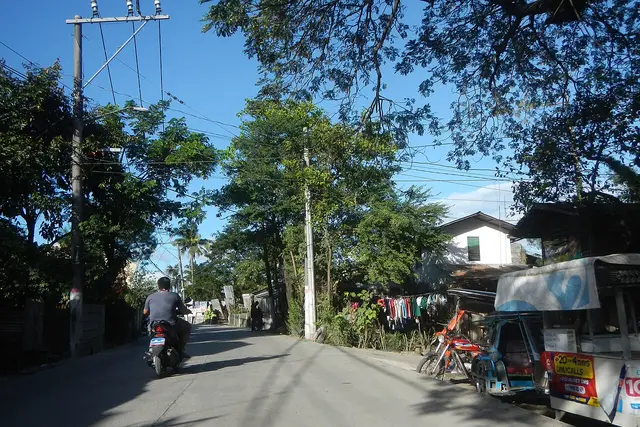
Angono lies in Rizal province, about 30 km east of central Manila. Most people get there by road along the Manila East Road, either by car or on jeepneys and vans from the Cainta and Taytay side. On feast day the town-centre streets close to traffic, so visitors usually park on the outskirts and walk in. The parish and the municipal government of Angono organise the feast, and they publish the programme each year.
The art town is open all year, beyond the festival. Close by you’ll find:
- Angono Petroglyphs, rock engravings on the Binangonan border, among the oldest known artworks in the Philippines.
- Blanco Family Museum, a gallery of paintings by a family of Angono artists.
- Higantes and Botong Francisco murals painted on walls around the town proper.
Most day-trippers go back to Manila the same evening. A few stay over in Antipolo, in the hills above Angono.
Frequently asked questions
When is the Higantes Festival 2026?
It falls on November 23, 2026, the feast of San Clemente, Angono's patron saint.
Do I need tickets for the Higantes Festival?
No. It's a public procession through Angono's streets and out onto Laguna de Bay, with no gated venue.
Will I get wet?
Almost certainly. The basaan water-splashing is a central part of the day, so visitors usually wear quick-dry clothes and carry phones in waterproof pouches.
How do I get to Angono from Manila?
Angono is about 30 km east of central Manila along the Manila East Road. You can drive or take a jeepney or van via Cainta and Taytay. On feast day the town-centre streets close, so most people walk the last stretch.
What else is there to see in Angono?
The Angono Petroglyphs, the Blanco Family Museum and murals around the town proper honouring Botong Francisco and the higantes.
Plan your trip to Angono
Philippines eSIM & staying connected →
Some links above are affiliate links — if you book through them, Wander Atlas earns a small commission at no extra cost to you. It's how we keep every guide free.