Indonesia · Region
Buleleng
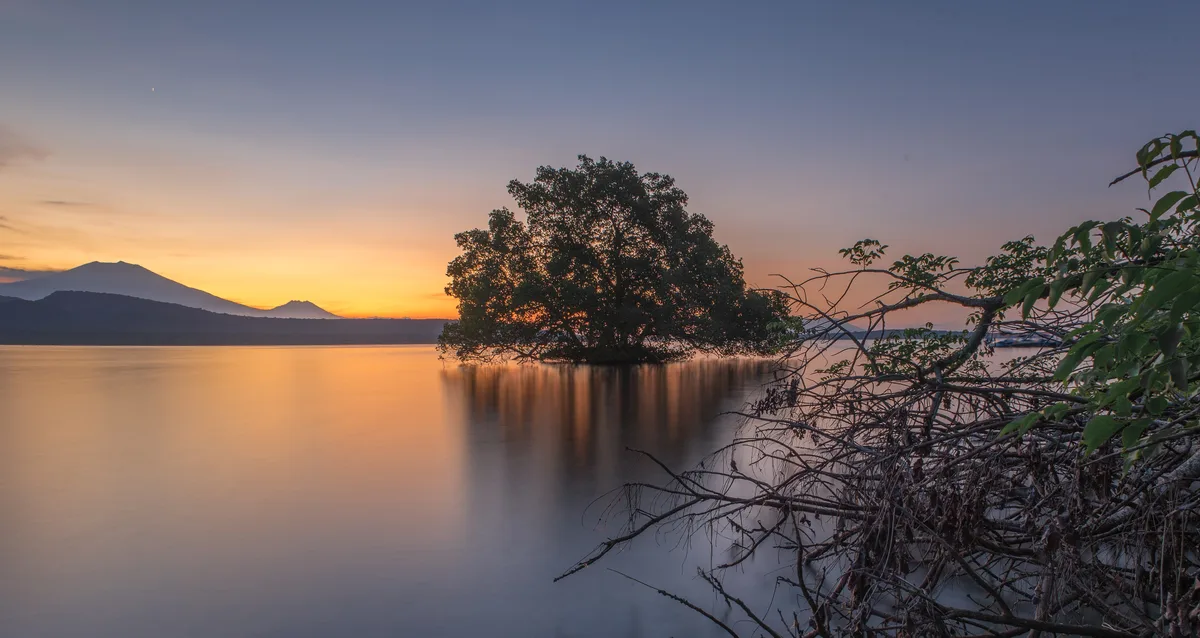
Buleleng is Bali's quieter northern face, a long stretch of black-sand coast and highland villages centred on Singaraja, the island's old Dutch-era capital. Here the pace slows to dolphin-watching at dawn, cascading waterfalls inland, and temples and colonial architecture that see a fraction of the crowds found in the south.
Top-rated things to do in Buleleng
Booking links are affiliate links — booking through them supports our free guides at no extra cost to you.
Where to stay in Buleleng
Compare Buleleng hotels and stays at the lowest price — deals, ratings, and real traveler reviews.
Search hotels in Buleleng →Booking links are affiliate links — booking through them supports our free guides at no extra cost to you.
Plan your trip to Buleleng
Indonesia eSIM & staying connected →
Some links above are affiliate links — if you book through them, Wander Atlas earns a small commission at no extra cost to you. It's how we keep every guide free.
When to visit Indonesia: month-by-month weather, crowds and holidays →
Frequently asked questions about Buleleng
How do I get to Buleleng?
There is no airport in Buleleng, so travellers fly into Ngurah Rai International Airport (DPS) in Denpasar and continue overland by private car, taxi or shuttle, a trip of roughly 2 to 2.5 hours depending on traffic and route over the central hills. Scheduled long-distance buses also run between the regional hub in Denpasar and Singaraja, though journey times can stretch well beyond the driving time.
How many days should I spend in Buleleng?
Plan on ~3-4 days to cover Lovina's beaches and dolphin trips, the waterfalls and hot springs of the interior, and Singaraja's old town at an unhurried pace.
What is Buleleng known for?
Buleleng is Bali's quieter northern face, a long stretch of black-sand coast and highland villages centred on Singaraja, the island's old Dutch-era capital. Here the pace slows to dolphin-watching at dawn, cascading waterfalls inland, and temples and colonial architecture that see a fraction of the crowds found in the south.