Argentina · Region
Cafayate
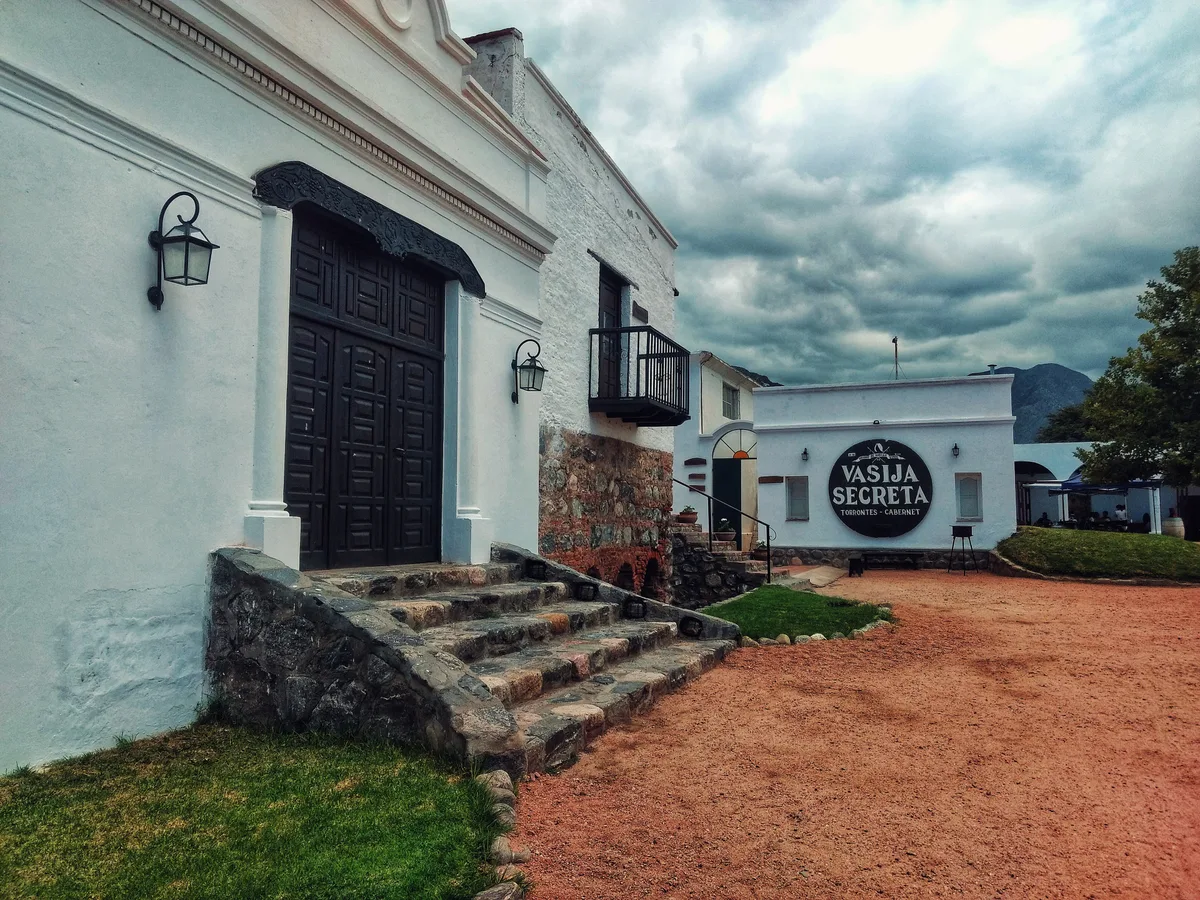
Cafayate sits at roughly 1,700 metres in Argentina's Calchaquí Valley, making it home to some of the world's highest-altitude vineyards and the heartland of the aromatic Torrontés grape. Beyond the bodegas, the town is a gateway to the red-rock canyons and eroded sandstone formations of the Quebrada de las Conchas, a dramatic desert landscape unlike anywhere else in wine country.
Top-rated things to do in Cafayate
Booking links are affiliate links — booking through them supports our free guides at no extra cost to you.
Where to stay in Cafayate
Compare Cafayate hotels and stays at the lowest price — deals, ratings, and real traveler reviews.
Search hotels in Cafayate →Booking links are affiliate links — booking through them supports our free guides at no extra cost to you.
Plan your trip to Cafayate
Argentina eSIM & staying connected →
Some links above are affiliate links — if you book through them, Wander Atlas earns a small commission at no extra cost to you. It's how we keep every guide free.
When to visit Argentina: month-by-month weather, crowds and holidays →
Frequently asked questions about Cafayate
How do I get to Cafayate?
Most travellers fly into Salta's Martín Miguel de Güemes International Airport (SLA), the nearest airport to Cafayate, then continue by rental car, private transfer or bus along Route 68 through the Quebrada de las Conchas canyon: a journey of about ~3 hours. There is no rail line to Cafayate, and buses from the regional hub in Salta city run several times daily from the main bus terminal.
How many days should I spend in Cafayate?
Plan on ~2 to 3 days: enough time for a couple of winery visits around town, a half-day trip through the canyon scenery en route, and a relaxed pace to enjoy the valley's slower, high-altitude rhythm.
What is Cafayate known for?
Cafayate sits at roughly 1,700 metres in Argentina's Calchaquí Valley, making it home to some of the world's highest-altitude vineyards and the heartland of the aromatic Torrontés grape. Beyond the bodegas, the town is a gateway to the red-rock canyons and eroded sandstone formations of the Quebrada de las Conchas, a dramatic desert landscape unlike anywhere else in wine country.